
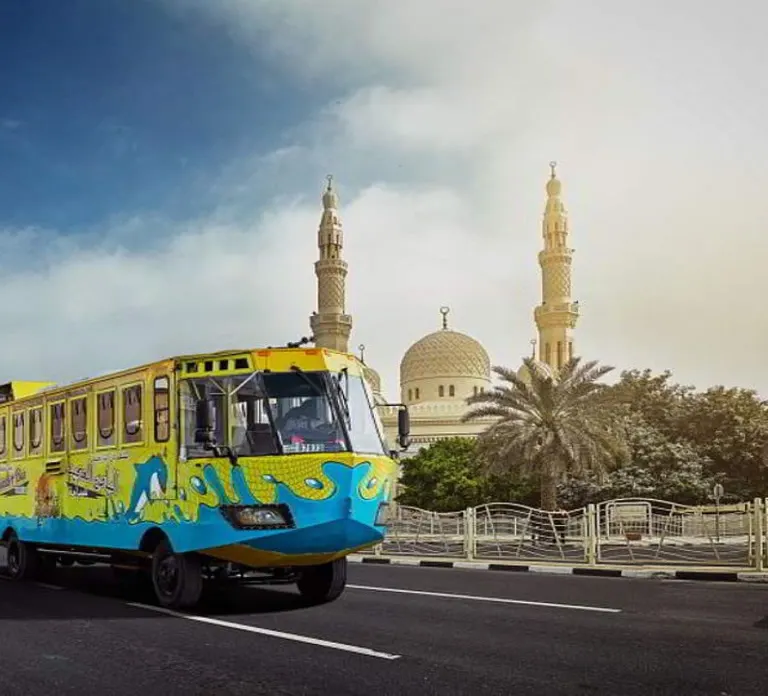
Old Dubai · land and water on one bus
Wonder Bus Dubai, Amphibious Old Town and Creek Tour
An amphibious bus that drives through Old Dubai and then splashes into the Creek, with a live guide, VIP seats, snacks and a drink.
Tickets and prices
| Option | Price |
|---|---|
| Amphibious adventure with VIP seats, snacks and beverageA land and creek tour in one vehicle, with a live guide in English and Arabic | 450 AED per person |
- T
- y
- G
- u
- S
- t
- C
- a
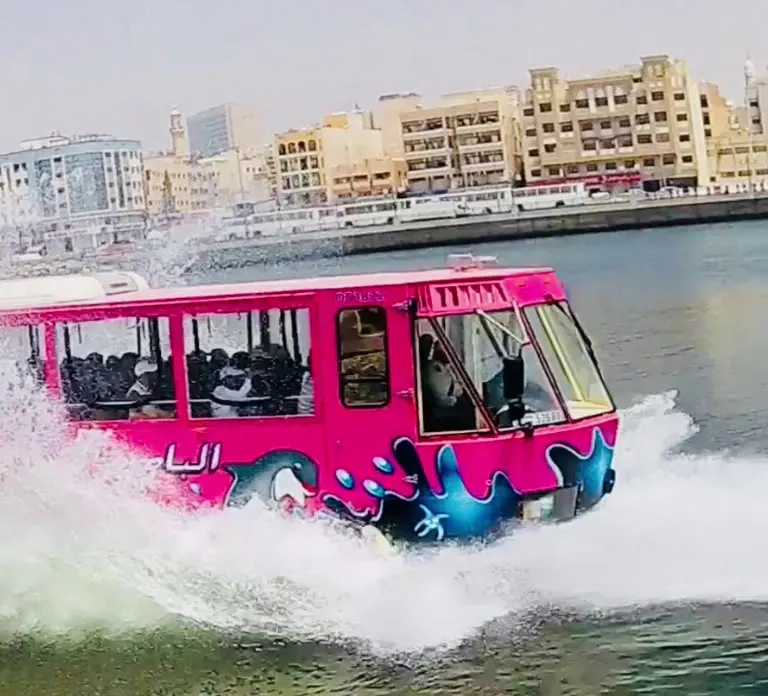
Wonder Bus is an amphibious bus: it drives through the streets of Old Dubai like a regular sightseeing bus, then enters the waters of Dubai Creek and sails along it. You see the city from land and from the water on the same tour, without leaving your seat. It is a different way to get to know the historic side of the city.
The tour starts from a point in Al Shindagha, in front of the Al Ghubaiba metro station, and ends back at the same point. A live, professional guide speaks English and Arabic and explains what you pass. The guide also runs competitions and light entertainment suited to adults and children.
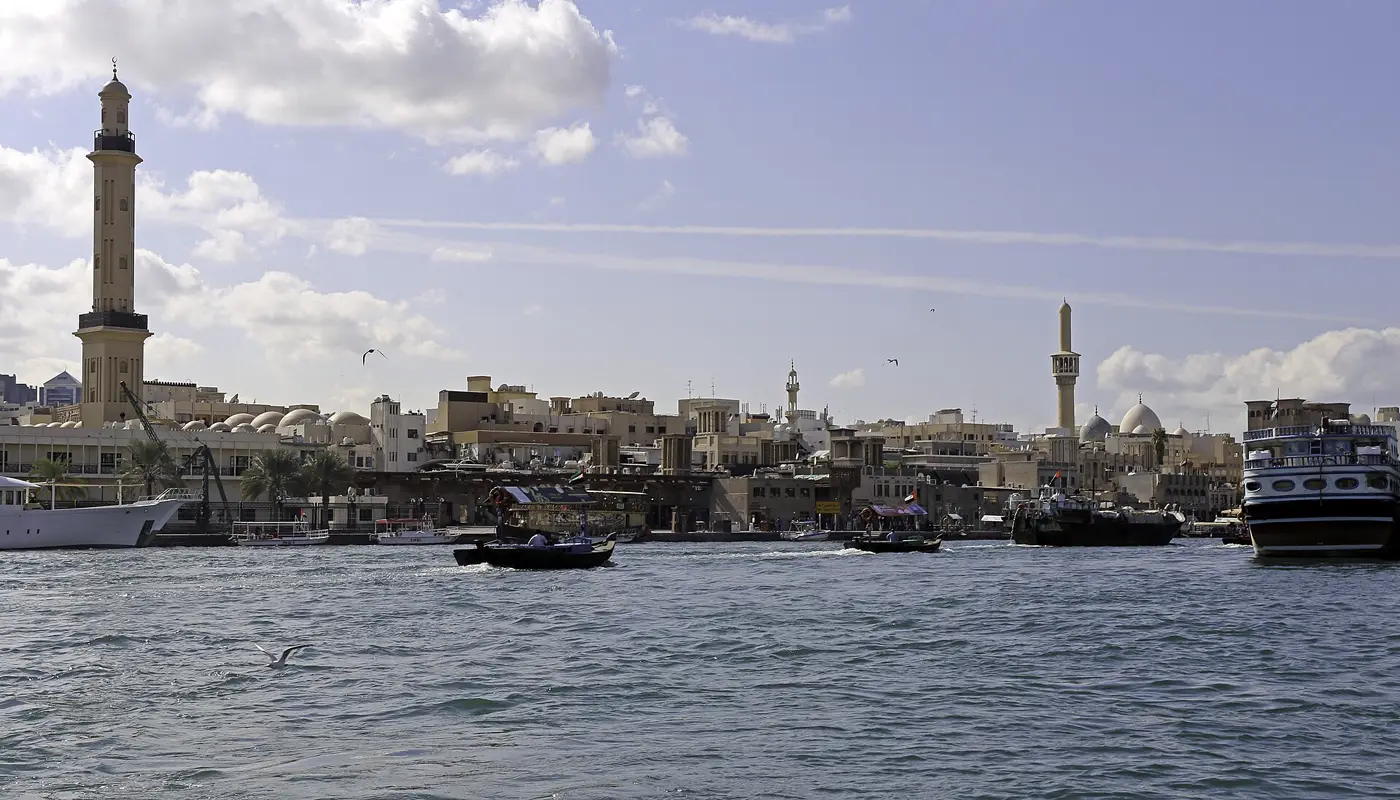
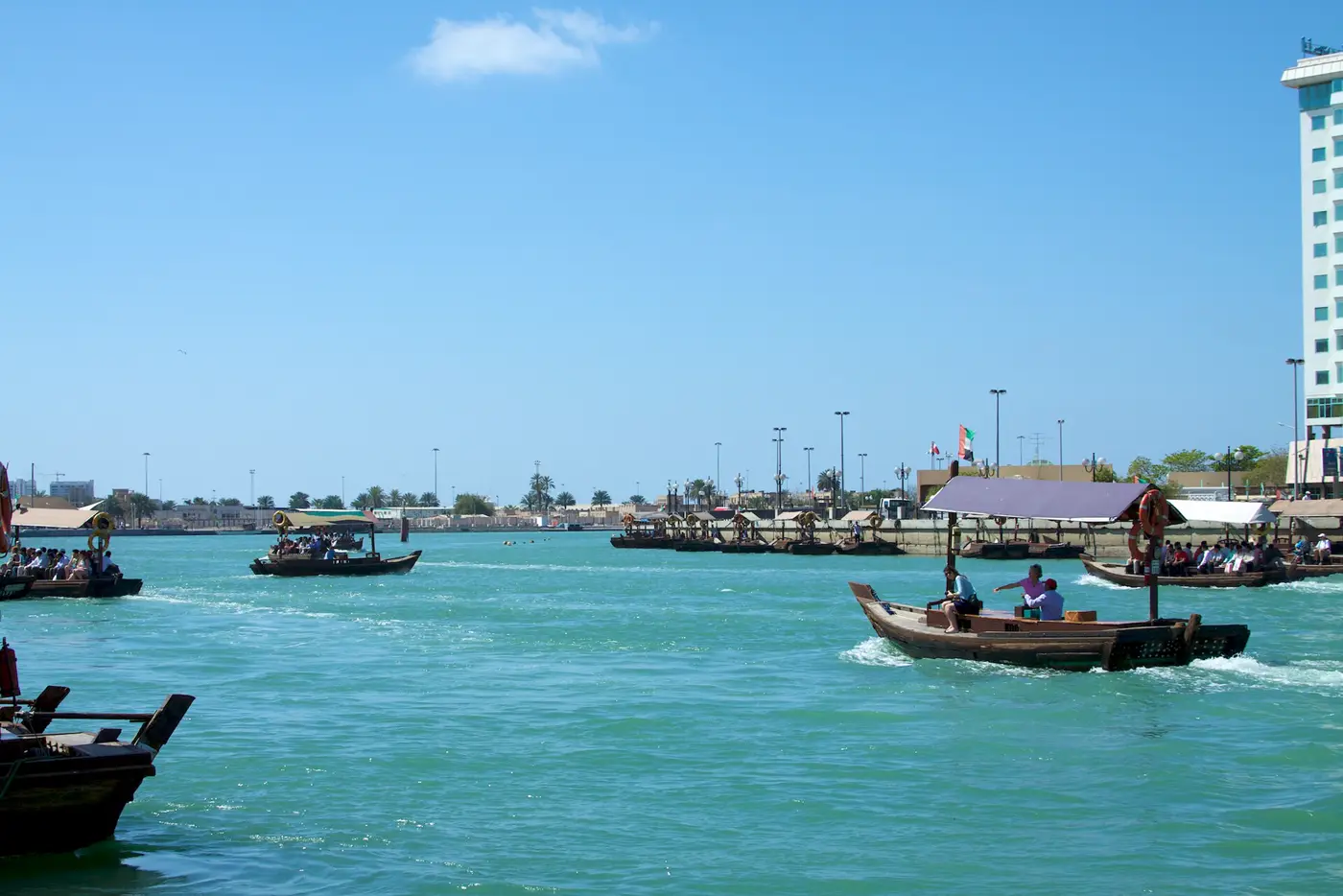
What do you see? The Heritage Village, Al Fahidi Fort (viewed from outside), the Spice Souk, the Old Souk, the place where the traditional abra boats operate, the Al Fahidi Historical Neighbourhood (formerly Bastakia) and the Grand Mosque. On the Creek you see both banks, with old and new architecture. In winter, if there are any, you can feed seagulls on the water.
This option is the one with VIP seats, snacks and a drink. The option name states VIP seats, and snacks and drinks are included. If you prefer a basic ticket without snacks, there is another option called 'Explore Dubai by land and by the Creek' on the same tour.
The ticket is defined for adults, and you should ask us before booking about children: the product description mentions entertainment for children but gives no child price or minimum age. So if you are coming with children, write to us before you book.
Cancellation: the ticket is non-cancellable and non-refundable once confirmed. Choose a date and time you are sure about. Show the mobile ticket at the redemption counter at the starting point.
How do you get there? The meeting point is in front of the Al Ghubaiba metro station. You can come by metro, or by taxi to the metro station. Check the point when you book, and note that the tour runs through the old part of the city, where the streets are narrow and some of the sights are seen from the bus only, without going in.
Who is it for? First-time visitors to Dubai who want to see the old city without a long walk in the heat, families with children and couples. If you want to walk the souks and go into the museums, plan extra time separately, because this tour is a sightseeing tour from the bus. If the length of the tour or the departure times matter for planning your day, ask us before booking, because these details are not listed in the product description.
Dubai Creek is a waterway about 14 km long that separates Deira from Bur Dubai. Historic Dubai had three neighbourhoods: Al Shindagha, Bur Dubai and Deira. Al Shindagha was the oldest of them. It was where the ruler's centre stood, and where sailors and ship owners lived.
Dubai was formally founded in 1833, when the Al Maktoum family established a fishing settlement here. Livelihoods were fishing, pearl diving and boat building. Under the family's rule the city grew thanks to policies that encouraged trade and welcomed foreigners.
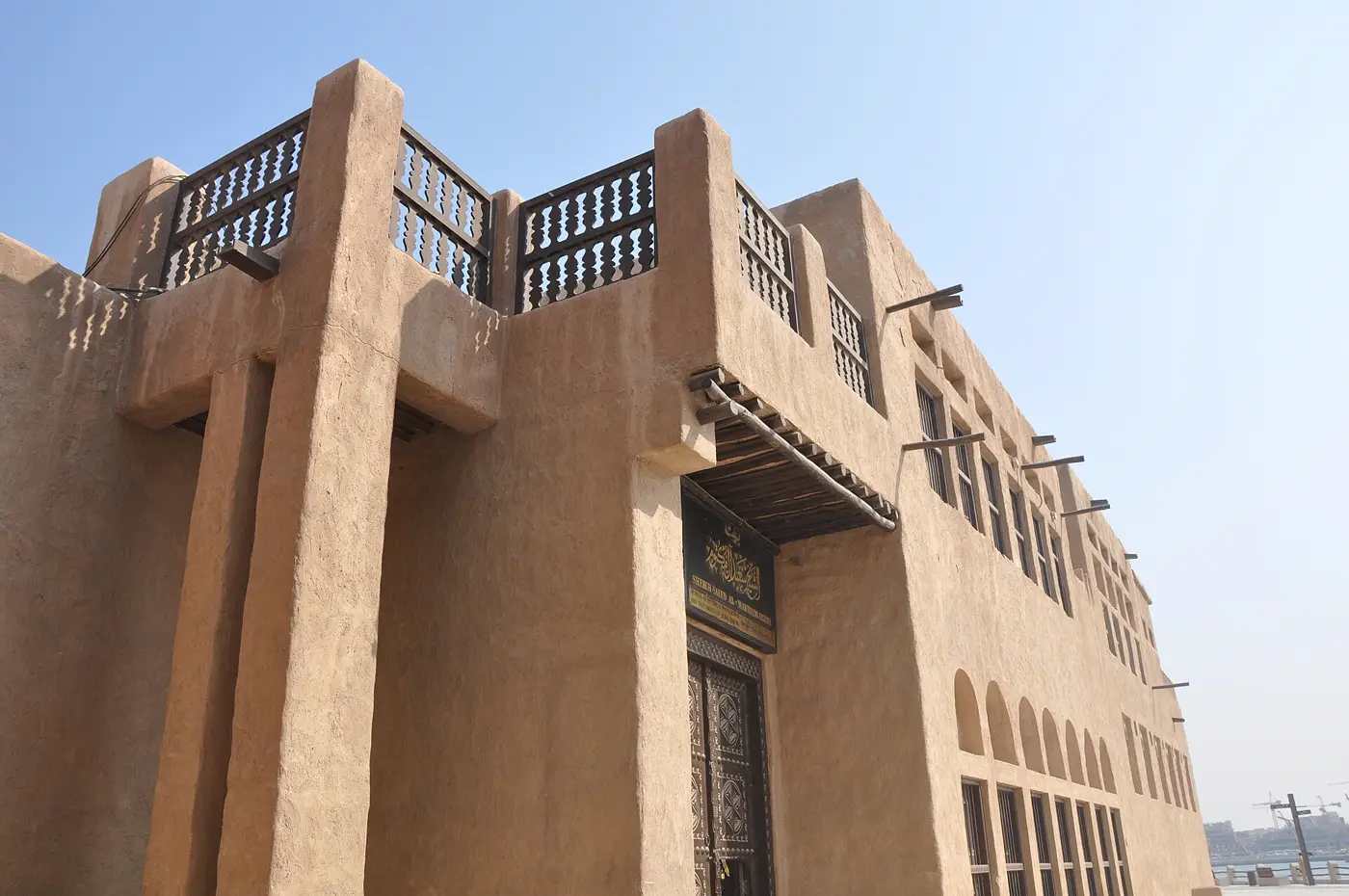
In Al Shindagha, where the tour starts, there are more than 162 historic houses that witnessed the growth of modern Dubai. It is also home to the Al Shindagha Museum, the largest open-air heritage museum in the UAE. Entry to it is not included in the ticket.
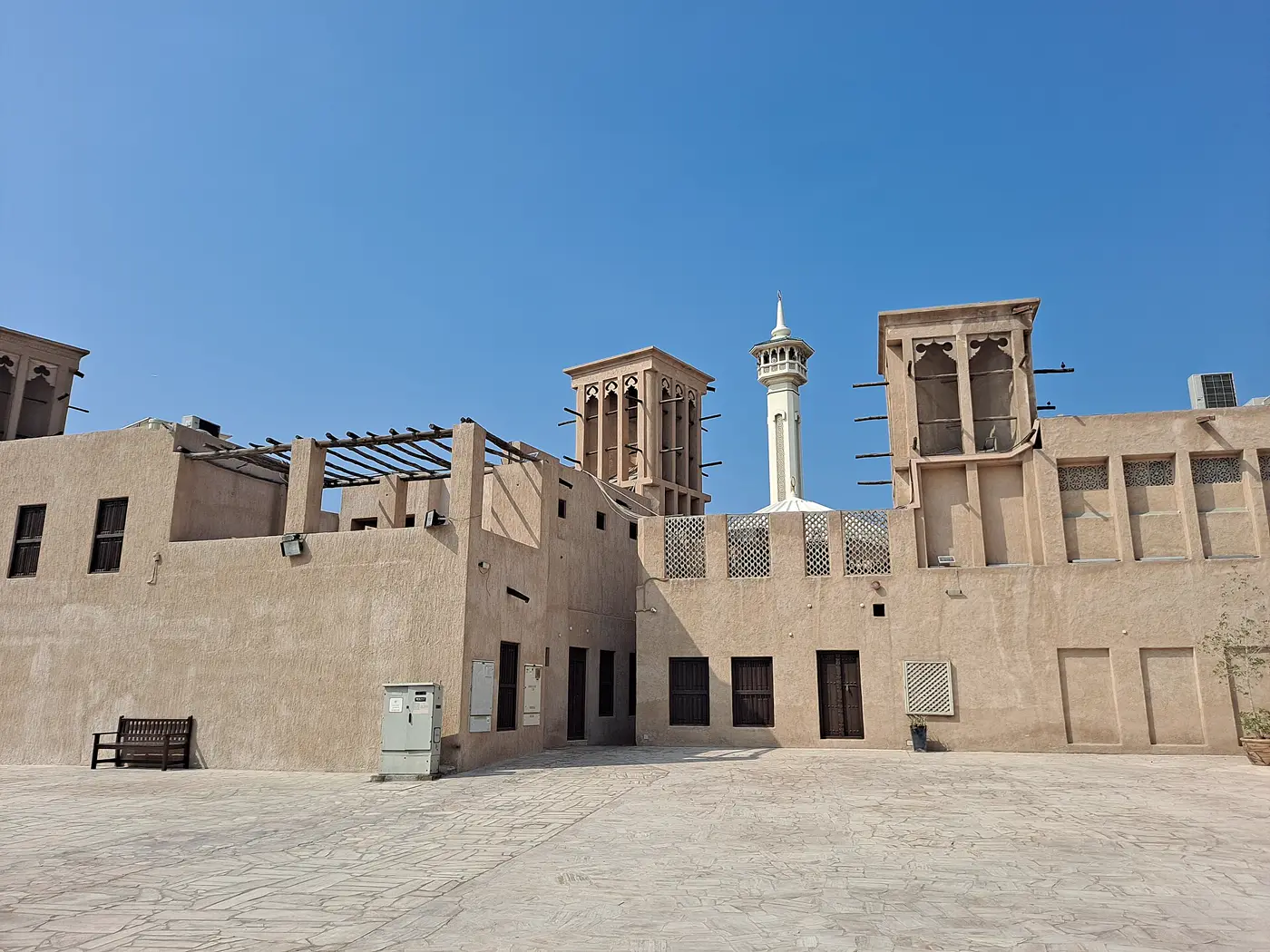
The Al Fahidi Historical Neighbourhood reflects the way of life in Dubai from the mid-19th century until the seventies. The houses with wind towers (barajeel) stand side by side, separated by alleys, pathways and squares. They are built of local materials: stone, gypsum, teak, sandalwood, palm fronds and palm wood. The windows on the front are few, narrow and high, which protects privacy. Today the houses hold galleries, specialised museums, artists' studios and cultural centres.
Al Seef stretches for 1.8 km along the bank of the Creek, next to the Al Fahidi heritage area. It is a place for shopping, eating and staying, which presents Dubai's culture and heritage in a modern style.
What is included
Included
- VIP seats
- Snacks and a drink
- A live professional guide in English and Arabic
- An amphibious tour on land and on Dubai Creek
- Return to the starting point
Not included
- Transport to the starting point
- Entry to the museums and sites you pass
Getting there
- Al Shindagha, in front of Al Ghubaiba metro station (near City Centre Al Shindagha). Show the mobile ticket at the redemption counter.
Good to know
- Non-refundable
Buy online
Book and pay right here on the site · secure paymentFrequently asked questions
What is an amphibious bus?
What language is the guide?
What is included in this option?
Can I cancel?
Where does it start?
When was Al Fahidi Fort built?
On which side of the Creek are the Gold Souk and the Spice Souk?
What does the name abra mean?
Keep exploring
More experiences in Dubai





Where to stay
Recommended hotels in Dubai




The perfect combination
Also in Abu Dhabi



Plan smart
From the magazine


More inspiration