
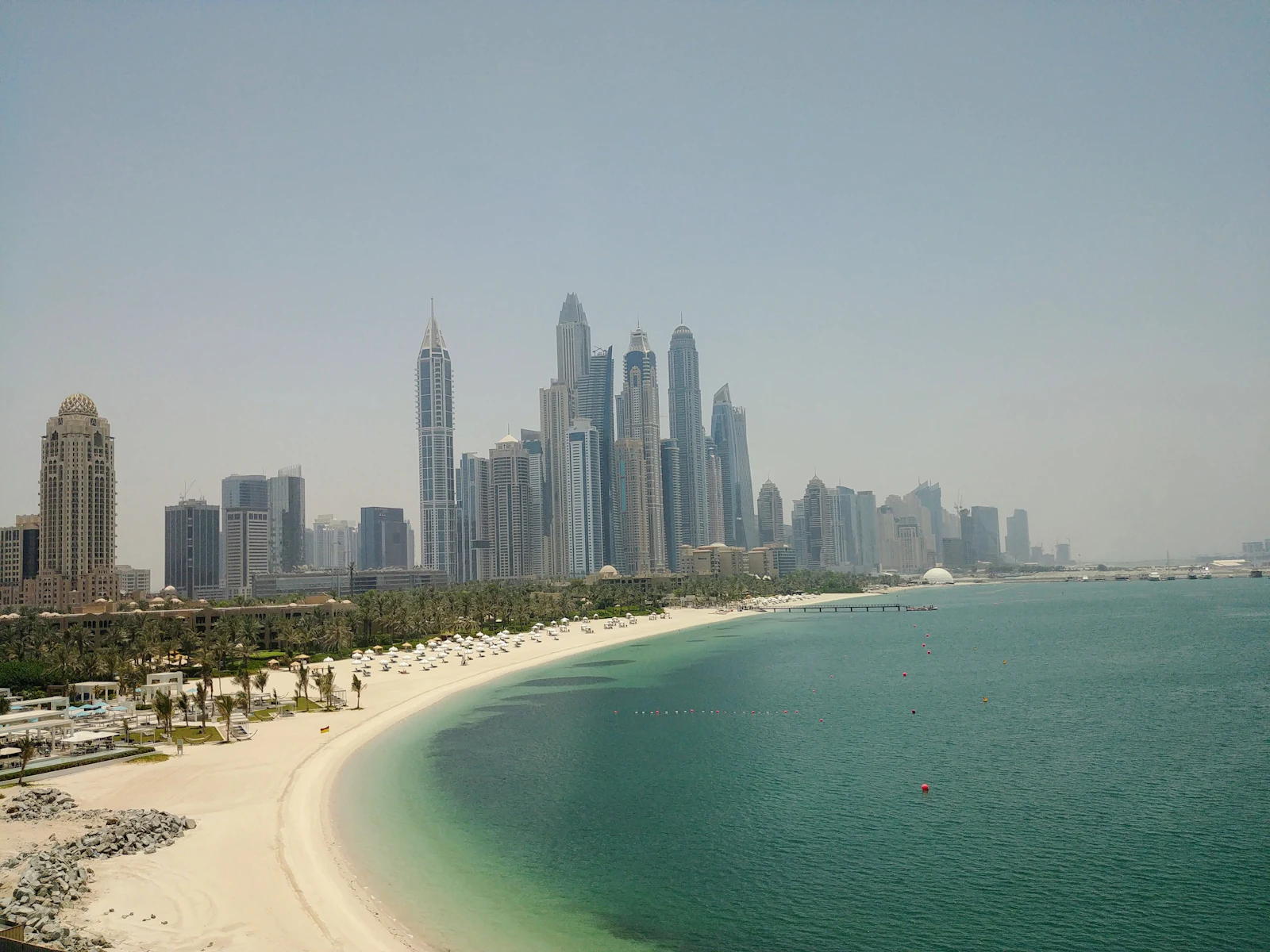
Weather · seasons
When to fly
to Dubai
The comfortable season is November to March. From June to September it is very hot: 40°C and above during the day, with the sea warmer than 30°C.
Live forecast · updated every 30 minutes
Dubai weather right now
The live forecast for Dubai for the coming days appears here. If it has not loaded, the averages for every month are in the table below.
12 months
Month by month
| Month | Day | Night | Sea | Rain days |
|---|---|---|---|---|
| January | 24.4° | 15.3° | 20.8° | 2.8 |
| February | 26.1° | 16.4° | 20.6° | 2.4 |
| March | 28.9° | 18.6° | 22.3° | 3.4 |
| April | 33.7° | 22.3° | 25° | 1.5 |
| May | 38.2° | 26.1° | 28.5° | <1 |
| June | 40° | 28° | 30.7° | 0 |
| July | 41.5° | 31.2° | 32.2° | <2 |
| August | 41.9° | 31.5° | 32.8° | 0 |
| September | 39.5° | 28.9° | 31.9° | <1 |
| October | 35.9° | 25.4° | 29.7° | <2 |
| November | 30.7° | 21.1° | 27.1° | 1.9 |
| December | 26.5° | 17.4° | 23.3° | 3.4 |
In practice
What the numbers mean
Dubai has effectively two seasons rather than four. From November to March the days are warm and the evenings are pleasant, which is when the city is at its best outdoors. From June to September the heat is the single fact that shapes every day of the trip.
The Gulf is shallow and fairly enclosed, so the sea warms and cools slowly. In January and February it drops to about 21°, refreshing enough that some swimmers prefer the hotel's heated pool. In the height of summer it can feel closer to a bath than a swim, which is why hotel pools are usually chilled.
Rain is rare and brief, mostly between December and March. When it does fall, roads flood quickly because the city is not built to drain much water, and traffic slows considerably.
Planning around it
Building the day around the heat
Even in winter the midday sun is strong. The pattern that works all year is the same: outdoors in the morning, indoors or by the pool in the early afternoon, then outdoors again towards evening.
In summer that pattern stops being advice and becomes necessary. Walking between attractions in the middle of a July afternoon is genuinely unpleasant, and for children and older travellers it is worth avoiding entirely.
Full guide
Everything worth knowing
October–DecemberAutumn in Dubai: the season opens
November is the start of the genuinely comfortable season: around 31°C by day, around 21°C at night, and the sea around 27°C. An excellent time to combine beach, a desert safari and outdoor attractions in the same trip.
December is pleasant: around 26.5°C by day and around 17.4°C at night, with the sea around 23°C. In the evenings and in the desert you already need an extra layer. At the end of the month Downtown hosts the New Year's Eve fireworks around the Burj Khalifa. It is a very large, very crowded event, and we do not recommend planning around it.
January–MarchWinter in Dubai: peak season
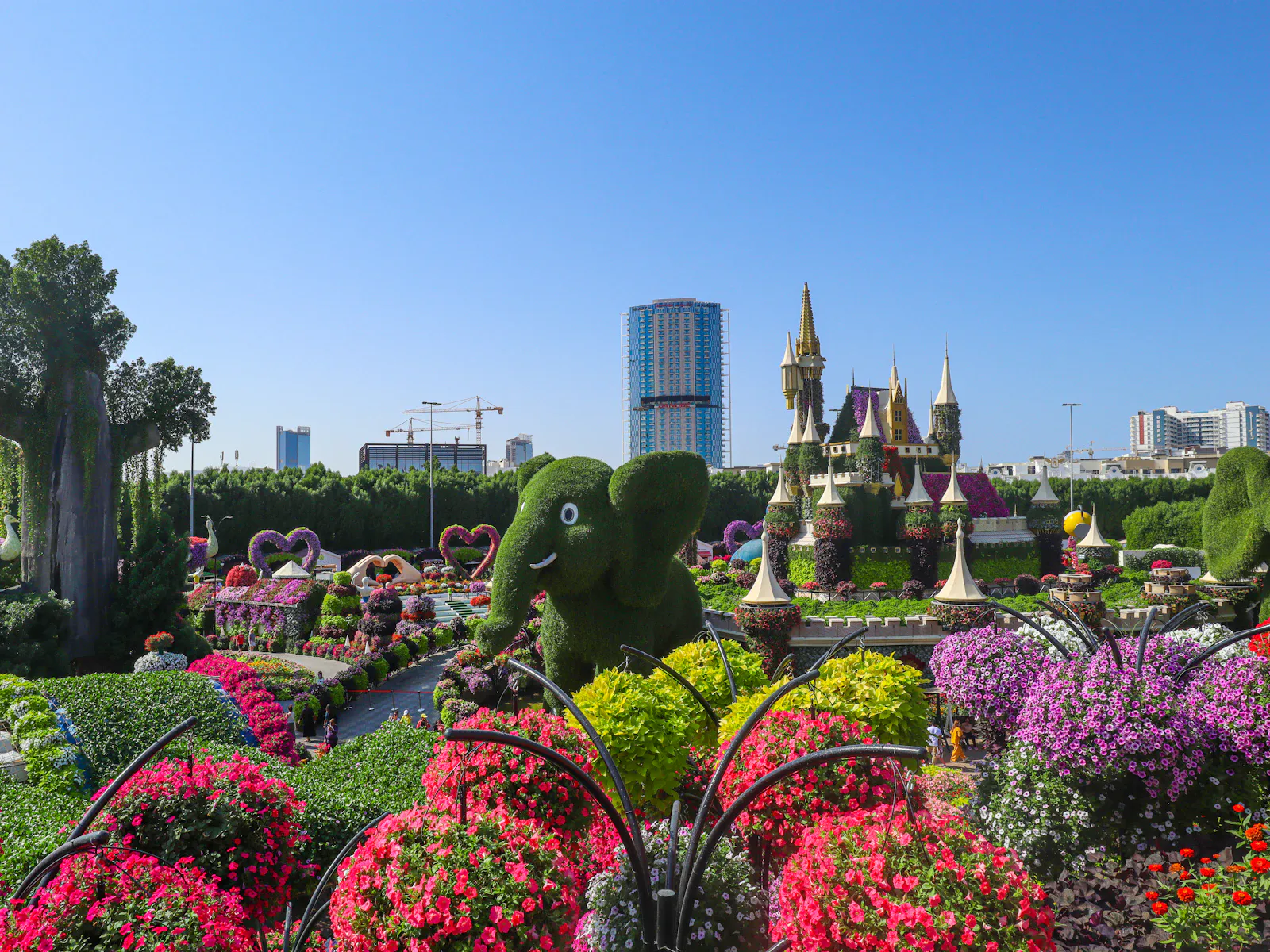
January is the coolest month in Dubai: around 24°C by day and around 15°C at night, according to the long-term airport averages. The sea is around 21°C, cool for some swimmers. Rain is still rare, fewer than three days a month on average. An excellent month for outdoor attractions, a day trip to Abu Dhabi and walking the promenades, and Global Village and Miracle Garden are in full season.
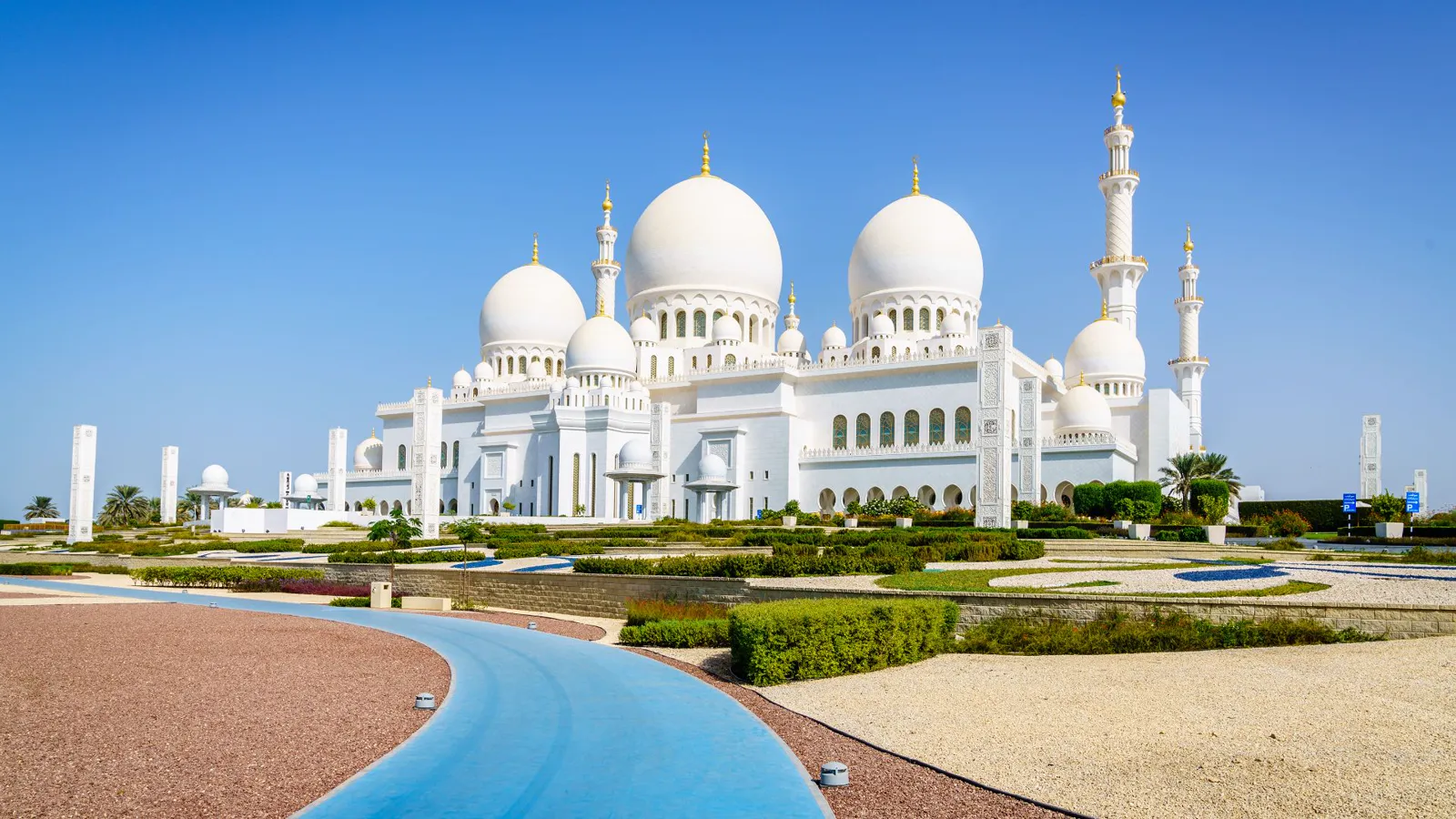
February is similar: around 26°C by day and around 16°C at night. For 2027, watch the dates: Ramadan is expected to begin around 8.2.2027. The final date is set by the sighting of the moon. During Ramadan some sites operate different hours, the Sheikh Zayed Grand Mosque in Abu Dhabi among them, so check in advance.
March starts to warm up: around 29°C by day, around 19°C at night, and the sea around 22°C. It is also the month with the highest average number of rain days in the year, though that means fewer than 4 days. Eid al-Fitr, at the end of Ramadan, is expected around 9–10.3.2027. And the Museum of the Future, closed since September 2026, is expected to reopen in the first quarter of 2027.
April–MaySpring: hot, but still workable
April is already hot: around 34°C on average by day and around 22°C at night, with the sea around 25°C. For a Dubai holiday over Pesach it is still a good time, provided you plan properly. Do the outdoor things — a safari, Dubai Frame or walking the promenades — in the morning or after sunset. Leave the midday hours for the pool, the beach or an indoor attraction.
May is close to summer: around 38°C by day, around 26°C at night, and the sea warming to around 28.5°C. It is the last month the seasonal attractions are open. Global Village runs its 31st season until May 2027, and many outdoor attractions close from the end of May.
What works well in spring:
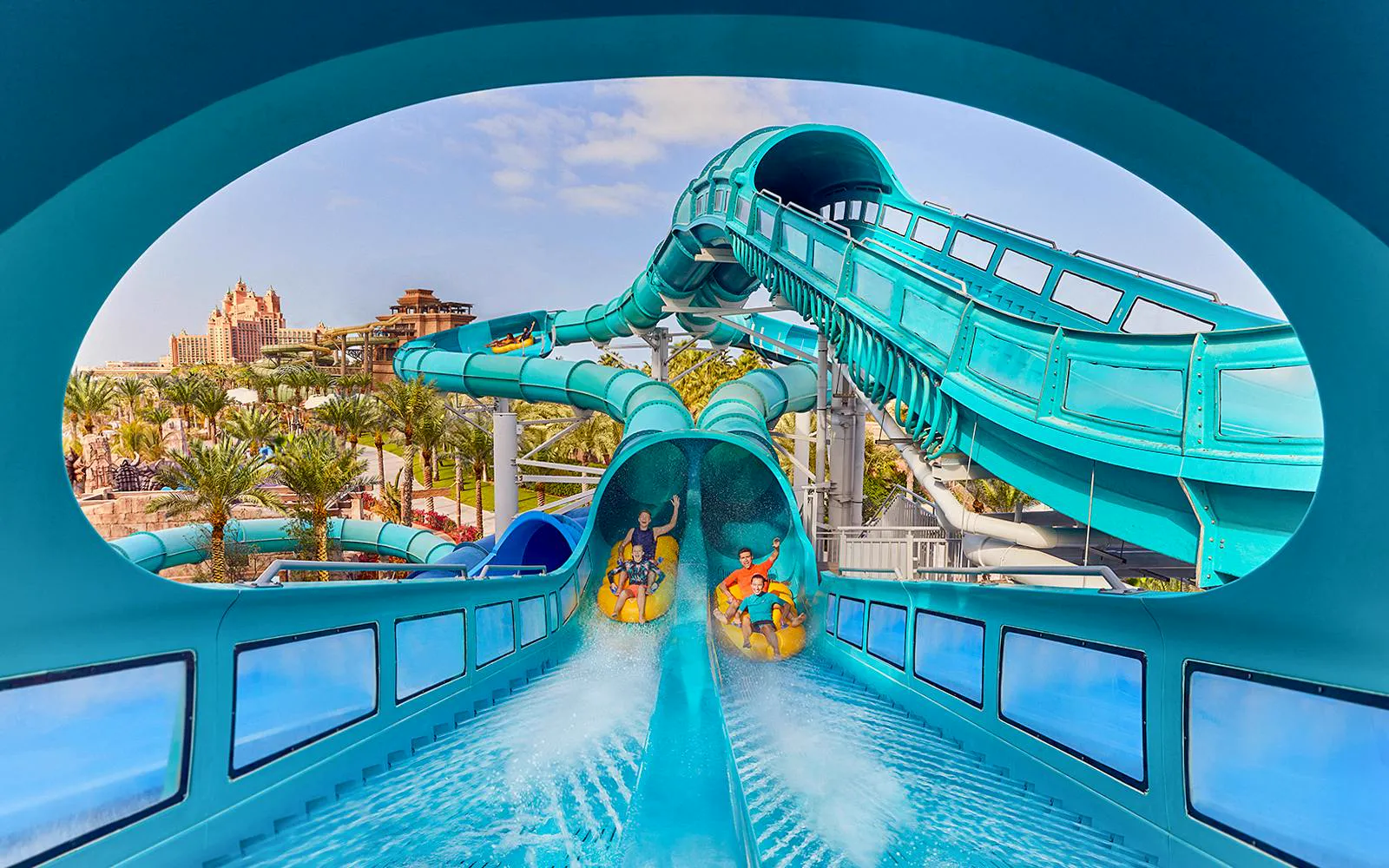
- Water parks, such as Aquaventure, when the water is already pleasant and the sun is strong.
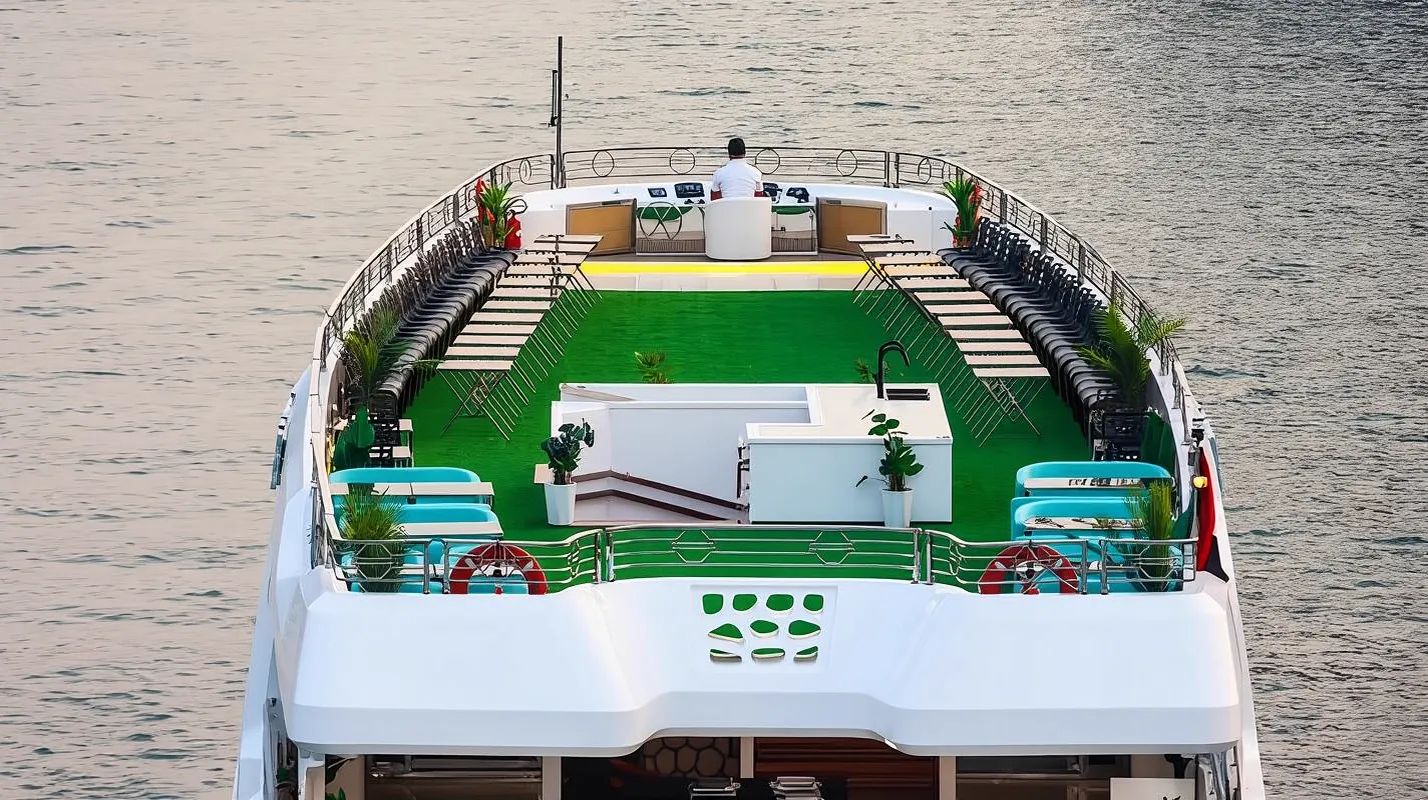
- An evening cruise, in the Marina or the Creek, as the heat drops.
- Air-conditioned viewpoints at the Burj Khalifa, open until midnight.
- An early morning safari, before the sand heats up, or an evening safari, which starts in the afternoon and runs past sunset.
The drawback of spring is the midday heat, so build the whole day around it: outdoors early, indoors in the middle of the day, and outdoors again in the evening.
June–SeptemberSummer in Dubai: travelling in 40°C
Summer in Dubai is very hot. According to the long-term averages, in June the daytime temperature is around 40°C, in July and August around 42°C, and in September around 39.5°C. Even at night the heat does not drop below 28–31°C, and the sea is warmer than 30°C. There is almost no rain.
You can travel in Dubai in summer, but it is a different kind of trip. Many outdoor attractions close from the end of May, and the seasonal ones, such as Global Village and Miracle Garden, only open in the autumn. What stays open and comfortable:
- Indoor attractions: Dubai Aquarium in the Dubai Mall, Ski Dubai in the Mall of the Emirates, and the viewpoints at the Burj Khalifa and Dubai Frame.
- Water parks: Aquaventure also operated through summer 2026.
- In Abu Dhabi: Warner Bros. World, an indoor park with more than 30 rides.
- Safaris: they run in summer too, but the heat in the desert is extreme. An early morning or late evening safari is more comfortable.
A few summer rules: plan outings before 10:00 and after 17:00, use air-conditioned taxis and the metro rather than walking, and drink plenty. A hotel connected to a mall, such as in Downtown, makes these months much easier. See Hotels and areas.
What to packWhat to pack by season
The table at the top of this page shows averages, but what really matters is what goes into the suitcase. Here is what those numbers mean in clothing, by season:
- December–February: 24–26°C by day, comfortable in short sleeves. At night the average drops to 15–17°C, so a light jumper or thin jacket is essential, especially for evenings outdoors and for the safari. The sea is around 21–23°C, cool for anyone used to a Mediterranean summer.
- March–April and October–November: summer clothes, plus one thin layer for the evening or for air-conditioned places. A hat and sunscreen for the daytime.
- May–September: light, breathable clothing, a hat, sunglasses, sunscreen and a water bottle. It is hot at night too, 26–31°C. A thin layer only helps in air-conditioned malls and hotels.
In every season: modest clothing for religious sites, such as the Sheikh Zayed Grand Mosque in Abu Dhabi, which has a mandatory dress code. And closed shoes for the desert safari, along with sunglasses against the sand and wind. Anyone planning Ski Dubai will be glad of gloves, even in midsummer.
The full equipment and documents list, including what to check about medication, is on the Flying to Dubai right now page.
By activityThe best time for each activity
Not every activity suits the same season. Here is a summary by what you want to do, based on the averages table:
- Desert safari: most pleasant from October to April. In winter the desert evenings are cool, so bring an extra layer.
- Beach and swimming: the sea is warmer from April to November, 25–33°C. In January and February it is around 21°C.
- Seasonal attractions: Miracle Garden and Global Village open from October, and Global Village runs until May.
- Walking the city and the promenades: November to March, when the daytime temperature is 24–31°C.
- A day trip to Abu Dhabi: all year round, because most of the sites are indoors or air-conditioned. In winter the mosque courtyard is more comfortable to walk. See the route
- Water parks: from spring through autumn, when the water and the air are warm.
- Indoor attractions: all year, and especially in summer. Dubai Aquarium, Ski Dubai and the Burj Khalifa viewpoints do not depend on the weather.
- Cruises: all year, but a cruise depends on the weather on the day, so keep one flexible day.
In every season, check before you fly what is open on your dates. The current list is on the What to do in Dubai page.
HumidityHumidity in Dubai: why 35°C feels like 45°C
The number in the forecast tells only half the story. Dubai sits on the coast of the Persian Gulf, and in the hot months the humidity is high, especially near the sea and in the morning and evening hours. The combination of heat and humidity makes the temperature feel far higher than the thermometer says.
When humidity is most noticeable
In late summer and early autumn, roughly from July to September, humidity peaks. In coastal areas such as the Marina, JBR and the Palm it is more noticeable than inland and in the desert. In the desert itself the air is drier, so 40°C there feels completely different from 40°C on the promenade.
What it means day to day
- Glasses and camera lenses: stepping out of air conditioning into humid heat fogs them immediately. Give them a minute to adjust before you shoot.
- Clothing: cotton and linen breathe better than synthetics. On a humid day, a spare shirt in your bag is not a luxury.
- Drinking: in high humidity you sweat a lot, even when you do not feel it. Drink before you are thirsty.
- Exertion: a fifteen-minute walk at midday in August is as tiring as an hour in winter. Plan short walking distances, and look for air-conditioned routes.
And in winter?
From November to March the humidity is lower and pleasant, and there is sometimes fog in the early morning, mainly in open areas. It usually clears by mid-morning, but it can delay morning flights or activities such as a hot air balloon.
SunSun, UV and sunset times in Dubai
The sun in Dubai is strong all year, including in January, when the temperature is pleasant and misleading. Anyone arriving from a northern winter is sometimes surprised by how quickly skin burns.
Sun protection
- High-factor sunscreen, reapplied after every swim.
- A wide-brimmed hat and sunglasses, even in the cool season.
- For children, long-sleeved swim shirts save a lot of reapplying.
- At the beach and the pool, look for shade between 11:00 and 15:00.
When the sun sets
Dubai has no daylight saving, so the sunset time moves only with the season. In winter the sun sets early, around half past five in the afternoon. In summer it sets later, around seven in the evening. Before booking anything that depends on sunset, check the exact time for your date.
Why that matters for planning
- Burj Khalifa: sunset tickets are the most sought-after, and their time shifts with the season.
- Desert safari: the pick-up time is set by sunset. In winter you leave earlier in the afternoon.
- Cruises: a cruise that sets out before sunset gives you both the golden light and the lit skyline in the dark.
- Sheikh Zayed Grand Mosque: a visit at sunset and in the evening, with the lighting, is a completely different experience from a midday visit.
In summer, sunset is also the moment you can finally go out. The evenings are long, and the city comes alive once the sun drops.
Rain, wind and dustRain, sandstorms and wind: what can surprise you
Dubai is known as a place where it almost never rains, and that is true most of the year. But when the weather changes, it changes dramatically, and it is worth knowing what is possible.
Rain
Rain days are few and concentrated mainly in winter and early spring. When heavy rain falls, the city, which was not built for large volumes of water, can face local flooding and traffic jams. In April 2024 Dubai had exceptionally heavy rain, which caused flooding and disruption at the airport. That is rare, but it is a good reminder to leave flexibility in the plan.
Wind and sandstorms
Mainly in spring and summer, strong north-westerly winds sometimes lift dust and sand and reduce visibility. On such a day the view from the viewpoints is hazy, and the sea is rougher. Anyone with asthma or allergies should keep their medication to hand.
What can change on a day like that
- Safaris and desert activities may move to another time or another day, depending on ground conditions.
- Cruises, jet skis and diving depend on sea conditions, and are sometimes cancelled on a windy day.
- Hot air balloons and helicopter flights depend on wind and visibility.
- High viewpoints stay open, but the view is less clear.
How to prepare
Leave one flexible day in the plan, especially if you have booked a weather-dependent activity. On the morning of the activity, check the forecast and any messages from the operator. And when the plan changes, an indoor attraction is the quick answer: Dubai Aquarium, Ski Dubai or IMG Worlds.
Sea and beachesThe sea in Dubai through the year
The Persian Gulf is shallow and relatively enclosed, so it warms and cools slowly and has a different character from the Mediterranean. The waves are usually low and the water is clear, which makes the beaches very comfortable for families.
Water temperature by season
- January–March: around 21–22°C. Refreshing, and some swimmers prefer the hotel's heated pool.
- April–May: around 25–28.5°C. Very pleasant, and the sun is not yet as fierce as in summer.
- June–September: above 30°C, and at the height of summer 32–33°C. The water is as warm as a bath, and no longer really cooling.
- October–December: dropping gradually, from close to 30°C in October to around 23°C in December.
The most comfortable range for most swimmers is April–May and October–November.
Beach safety
- Swim only at beaches and at times with a lifeguard, and follow the flags.
- At public beaches ordinary swimwear is fine, but put something on over it when you leave the beach.
- In summer the sand itself is scorching at midday. Flip-flops are essential, especially for children.
Where to get in the water
The public beach at JBR is particularly convenient, with a promenade, restaurants and changing rooms. The resorts on the Palm and in Jumeirah give you a private, quiet beach. And for water with adrenaline, Aquaventure is open all year, from 399 AED per person. For snorkelling in especially clear water, there is snorkelling with sea turtles on the east coast.
By holidayThe weather in Dubai over the Jewish holidays and school breaks
Most travellers do not choose a month, they choose a holiday: a festival, a school break or a long weekend. Here is what the weather in Dubai looks like over the holidays and school breaks.
Rosh Hashanah and Sukkot
These usually fall in September or early October, still the end of Dubai's summer. Very hot by day, around 36–39°C, with high humidity. The evenings are already starting to ease, and the hotels are still before the high season. A good holiday of pool and indoor attractions, with outings in the morning and evening.
Chanukah
Chanukah usually falls in December, in the heart of the comfortable season: around 26°C by day and around 17°C at night. An excellent time for exploring the city, a safari and the seasonal attractions such as Global Village and Miracle Garden. The sea is cooler, around 23°C, and many prefer the pool.
The winter break
January and February are the coolest months: around 24–26°C by day and around 15–16°C at night. Very pleasant for walking, but you need a jumper for the evening. It is also the busiest season in Dubai, so book early.
Purim
Purim usually falls in March, as the heat starts to return: around 29°C by day and around 19°C at night. A comfortable season for combining beach and city.
The summer break
July and August are the hottest months, around 42°C by day and hot nights. People do travel, but differently: outdoors early in the morning and in the evening, and at midday in indoor attractions, malls and water parks. A hotel connected to a mall or the metro makes a big difference.
The full picture of every month, with what is open and what is closed, is in the When to visit Dubai guide.
Beyond DubaiThe weather in Abu Dhabi, the mountains and the east coast
The United Arab Emirates is not large, but the weather across it is not uniform. Anyone planning day trips from Dubai will sometimes find a different world an hour or two away.
Abu Dhabi
The weather in Abu Dhabi is very similar to Dubai's: a pleasant winter, a hot and very humid summer. The differences are small and depend on distance from the coast. Most of the main sites, such as the Louvre, Qasr Al Watan and Warner Bros. World, are indoors and air-conditioned, so a day trip to Abu Dhabi suits any season. In the courtyard of the Sheikh Zayed Grand Mosque, by contrast, the marble gets very hot in summer, and a morning or evening visit is more pleasant.
The mountains: Hatta and Jebel Jais
In the Hajar mountains the air is drier and more pleasant. Jebel Jais in Ras Al Khaimah, the highest mountain in the country, is significantly cooler than the coast, and on winter nights it is genuinely cold there. Anyone going up in winter needs a coat. Hatta is also more pleasant than the city for most of the year, but in summer it is hot there too.
The east coast: Fujairah
Fujairah faces the Gulf of Oman, not the Persian Gulf. The sea there is more open, and the landscape combines mountains that drop down to the shore. It is a good destination for snorkelling and diving, and in the comfortable season, October to April, it is particularly pleasant.
The desert
In the desert the difference between day and night is greater than in the city. In winter, an evening on safari can be very cold after sunset, so bring a warm layer. In summer the sand is scorching, and a safari is better in the evening hours.
Plan BToo hot, rainy or stormy? An indoor plan B
Even with the best planning, there are days when the weather decides for you: extreme heat, a dusty day, or rare rain that disrupts the city. In Dubai an indoor plan B is always available, and sometimes it turns into the best day of the trip.
In Downtown
Dubai Aquarium, inside the Dubai Mall, with a tunnel under the water, from 211 AED per person. The viewpoints at the Burj Khalifa are fully air-conditioned, even if the view on a dusty day is less clear. And in the same mall, KidZania for children, from 98 AED per person.
In Al Barsha
Ski Dubai, real snow inside the Mall of the Emirates, from 237 AED per person. Children and adults come out smiling, even when it is 45°C outside.
In City Walk
The Green Planet, an indoor tropical rainforest, from 134 AED per person.
Indoor parks
IMG Worlds, one of the largest indoor theme parks in the world, from 186 AED per person. And in Abu Dhabi, Warner Bros. World and Snow Abu Dhabi.
And in the evening
La Perle, a water and acrobatics show in an indoor theatre, from 247 AED per person. All the attractions, filtered by type, are on the What to do in Dubai page.
Frequently asked questions
When is the best time to fly to Dubai?
How hot is Dubai in summer?
What is the weather in Dubai in December?
What is the weather in Dubai in October?
What is the weather in Dubai in November?
What is the weather in Dubai in January?
What is the weather in Dubai at Pesach?
Does it rain in Dubai?
When is the sea in Dubai warmest?
Is it worth flying to Dubai during Ramadan?
What is the weather in Dubai in February?
What is the weather in Dubai in March?
What is the weather in Dubai in May?
What is the weather in Dubai in July and August?
What is the weather in Dubai in September?
What is the weather in Dubai at Chanukah?
What is the weather in Dubai at Sukkot?
Are there sandstorms in Dubai?
How humid is Dubai?
What time does the sun set in Dubai?
Is Jebel Jais cold in winter?
Can you sunbathe in Dubai in winter?
Keep exploring
More experiences in Dubai







Where to stay
Recommended hotels in Dubai



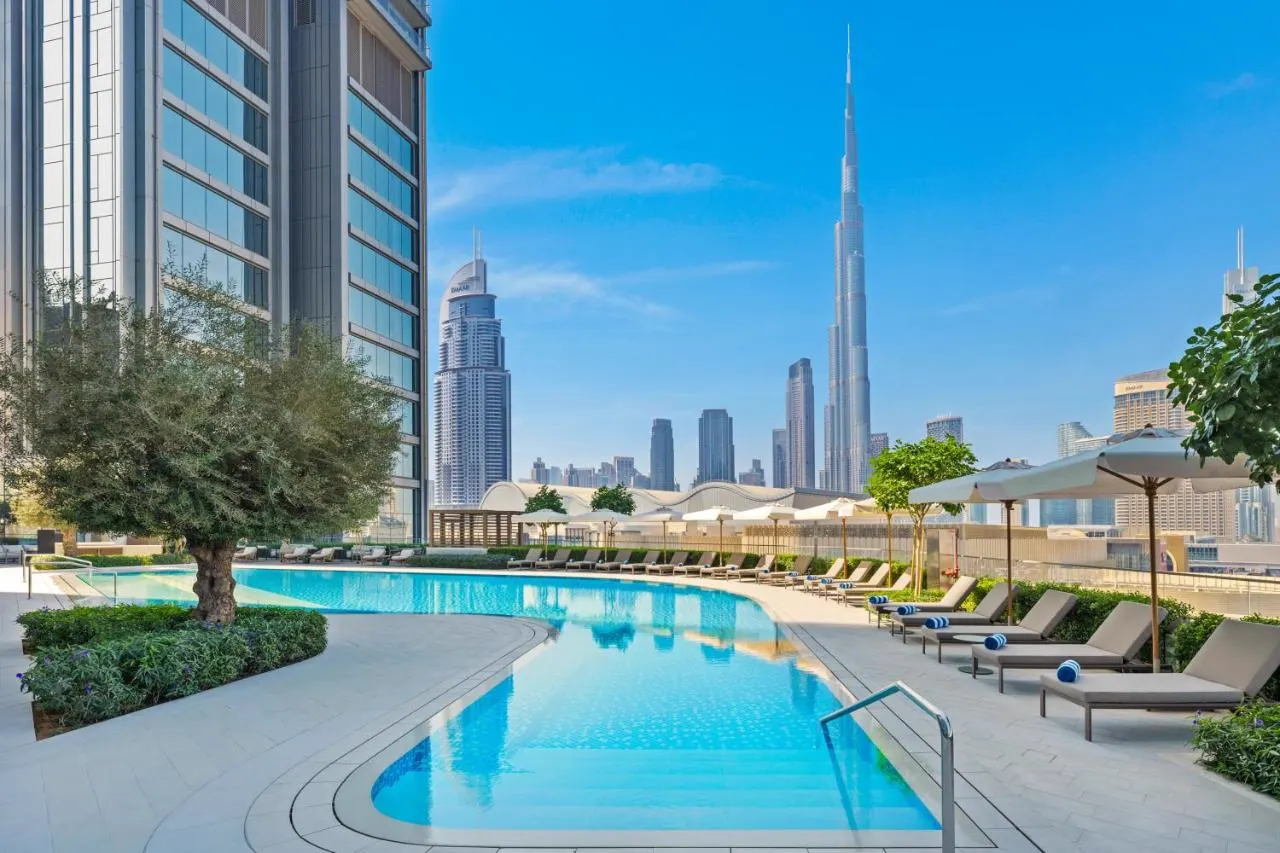


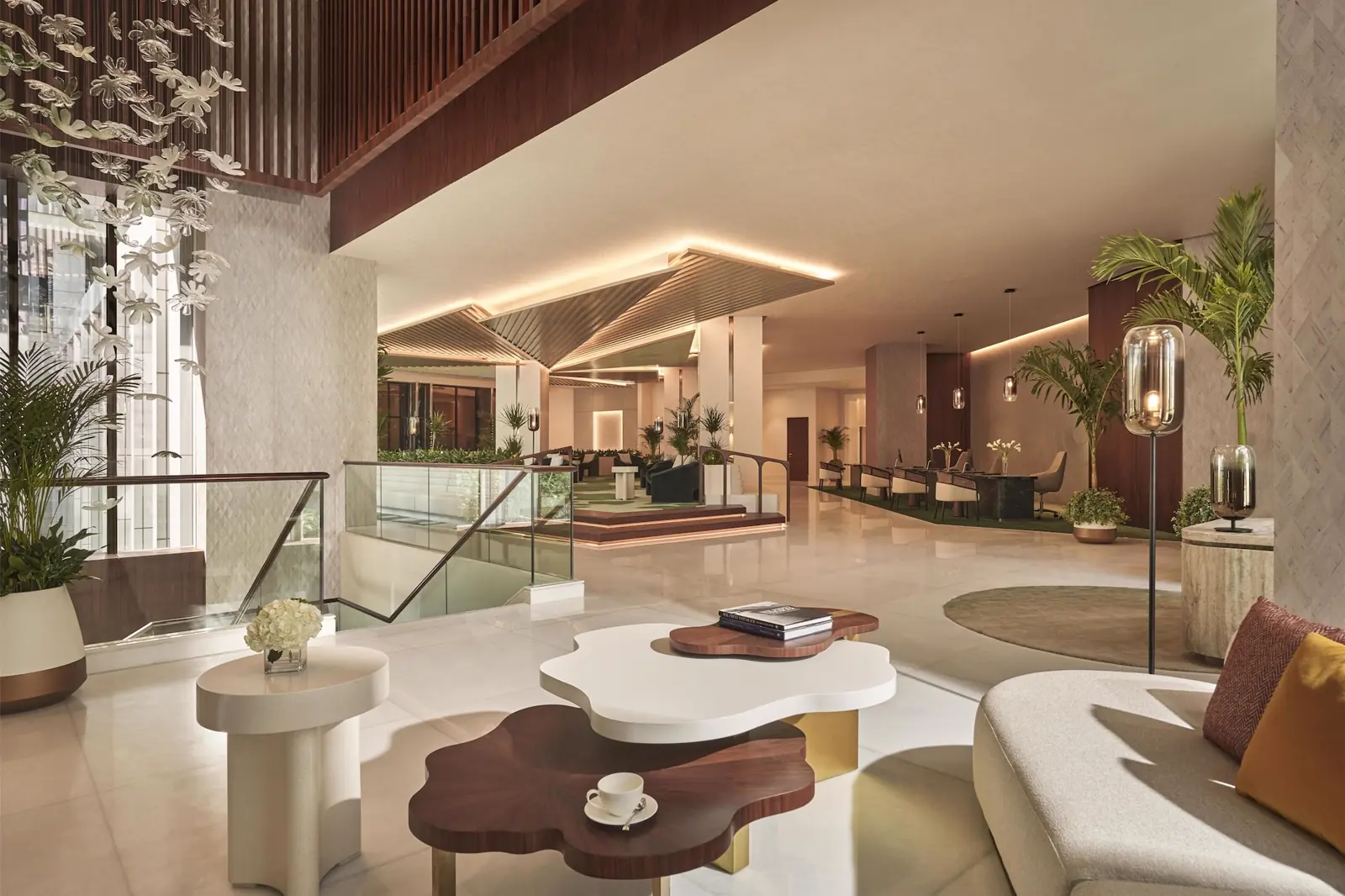

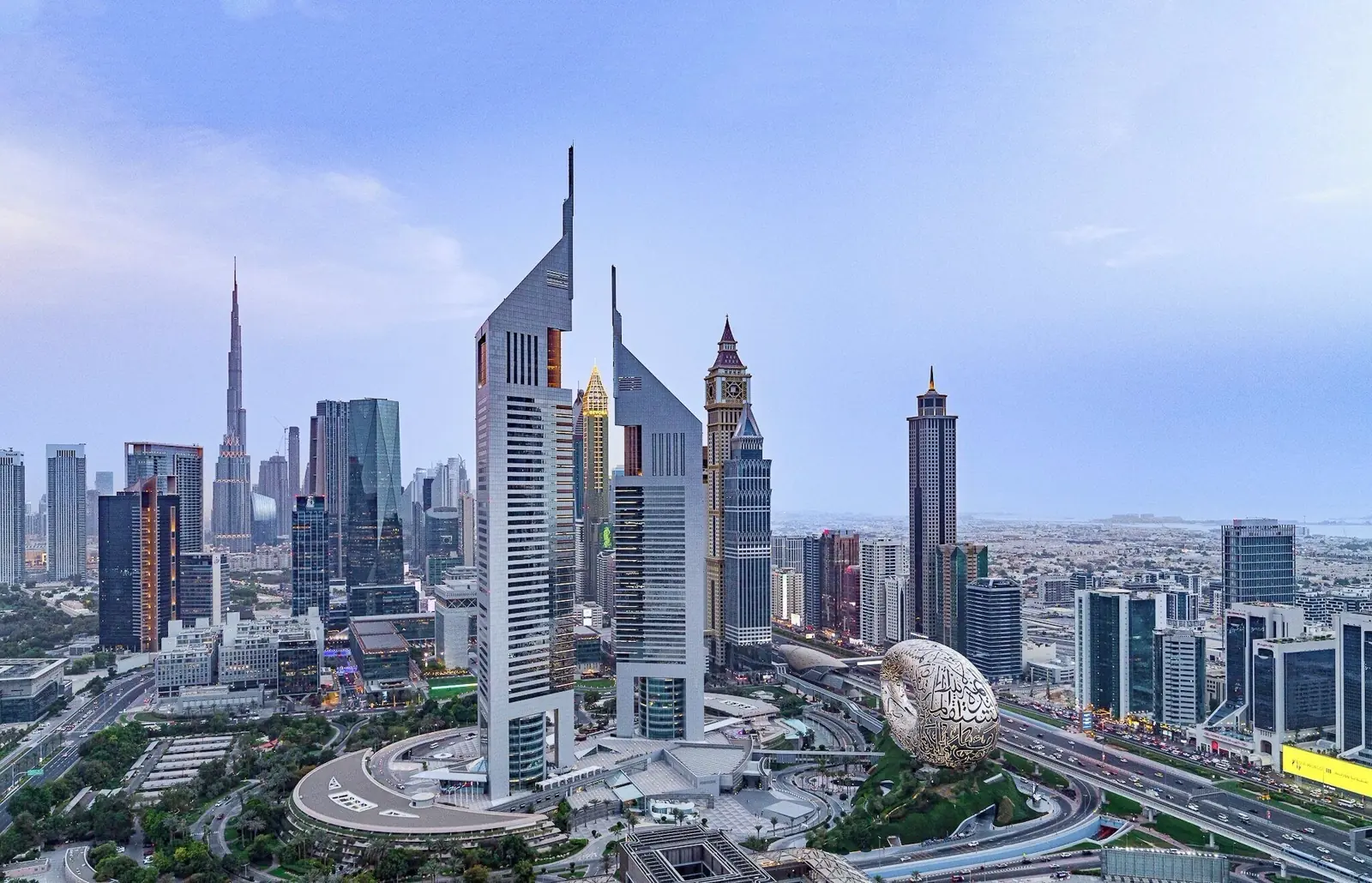
The perfect combination
Also in Abu Dhabi

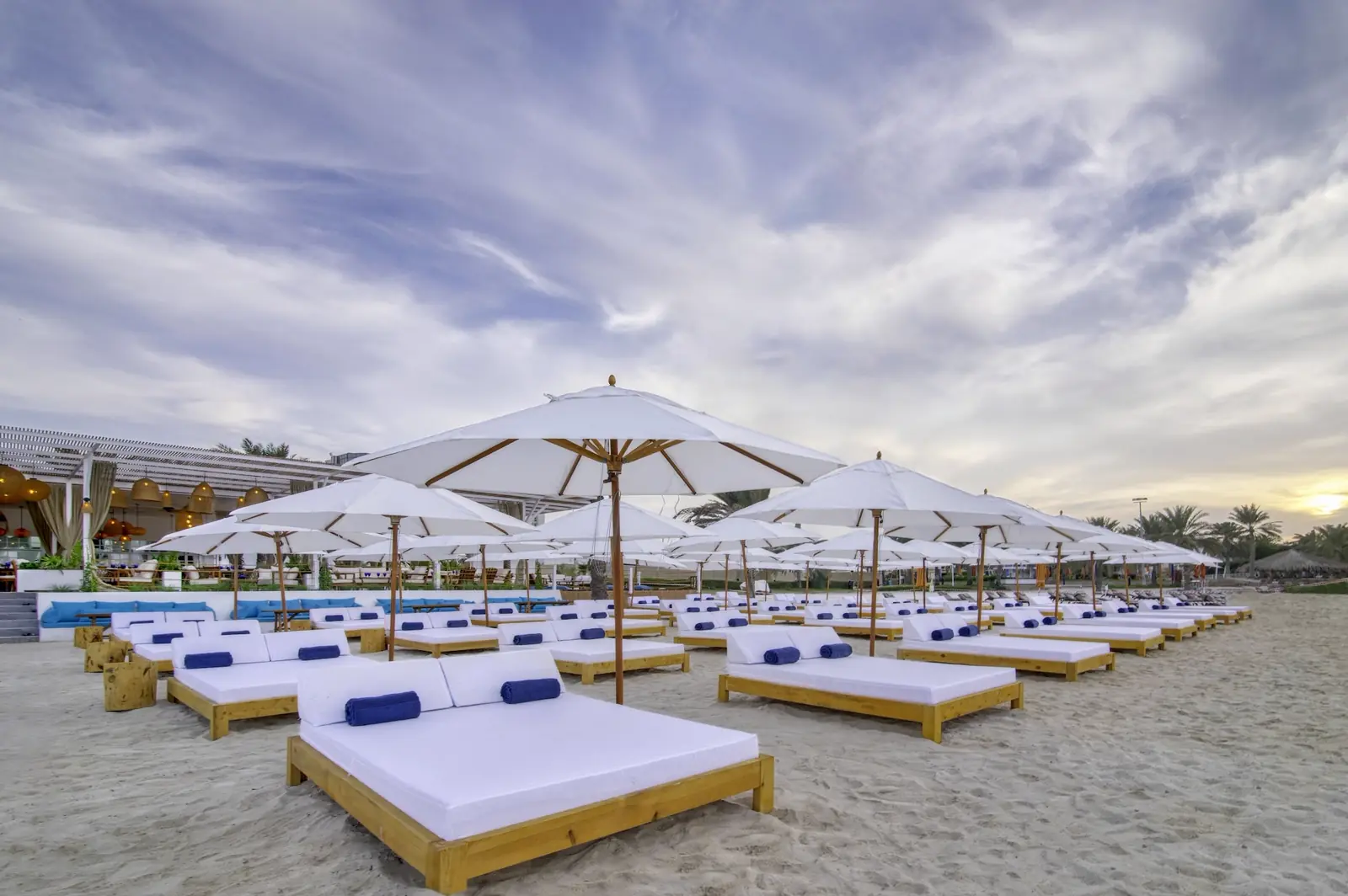





Plan smart
From the magazine
More inspiration