

Al Ain · Full day
Day trip to Al Ain
Abu Dhabi's garden city: a palm oasis, mud-brick forts and Jebel Hafeet. A day trip from Dubai or from Abu Dhabi.
Tickets and prices
| Option | Price |
|---|---|
| Private day trip from DubaiA private full day with a guide, departing from Dubai | 1342 AED per vehicle |
| Day tour with lunchA day tour departing from Dubai, with a buffet lunch | 293 AED per person |
| Day trip from Abu DhabiA tour to Al Ain departing from Abu Dhabi instead of Dubai | 342 AED per person |
- The oasis
- 9:00 AM–7:00 PM, daily
- UNESCO
- World Heritage site
- Duration
- A full day
- Jebel Hafeet
- 1,249 m
What a day trip to Al Ain looks like
Al Ain, the garden city of Abu Dhabi, about an hour and a half's drive each way.
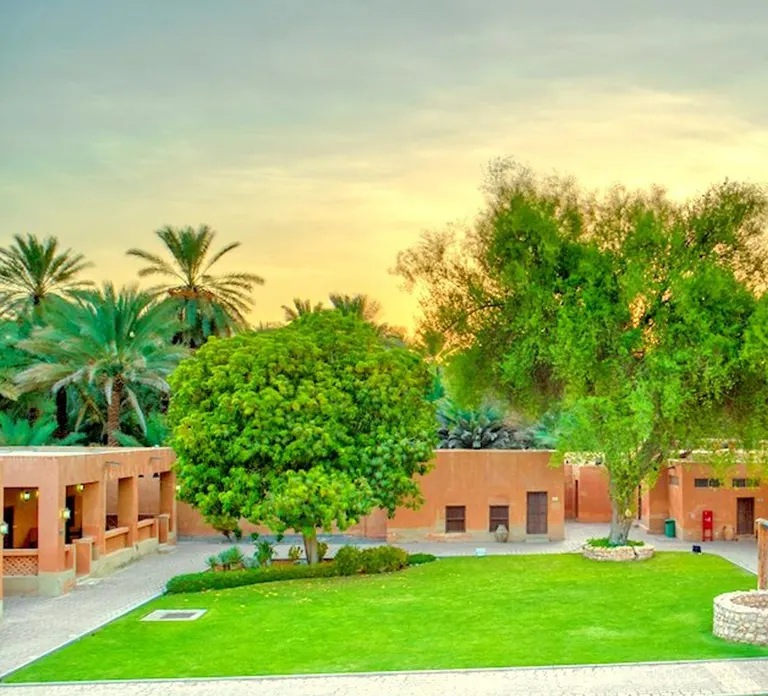
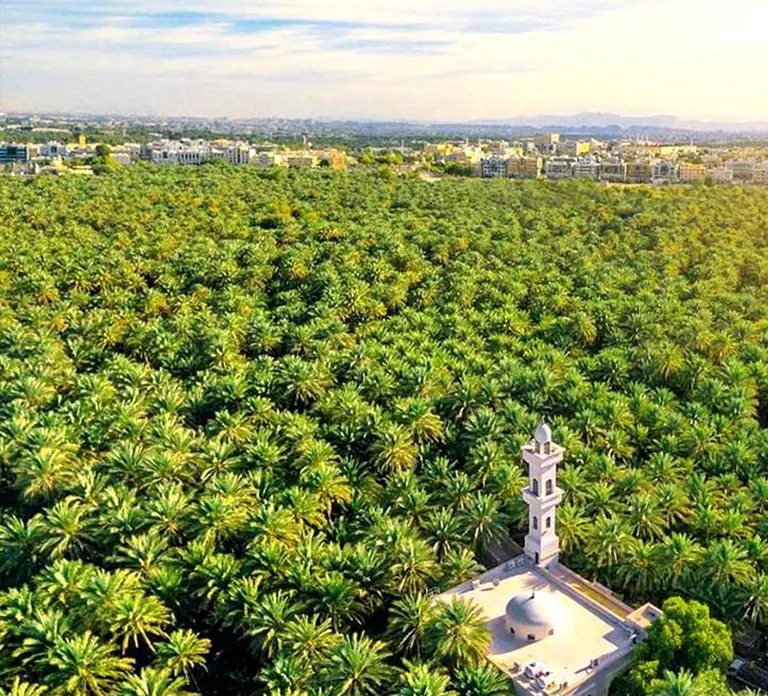
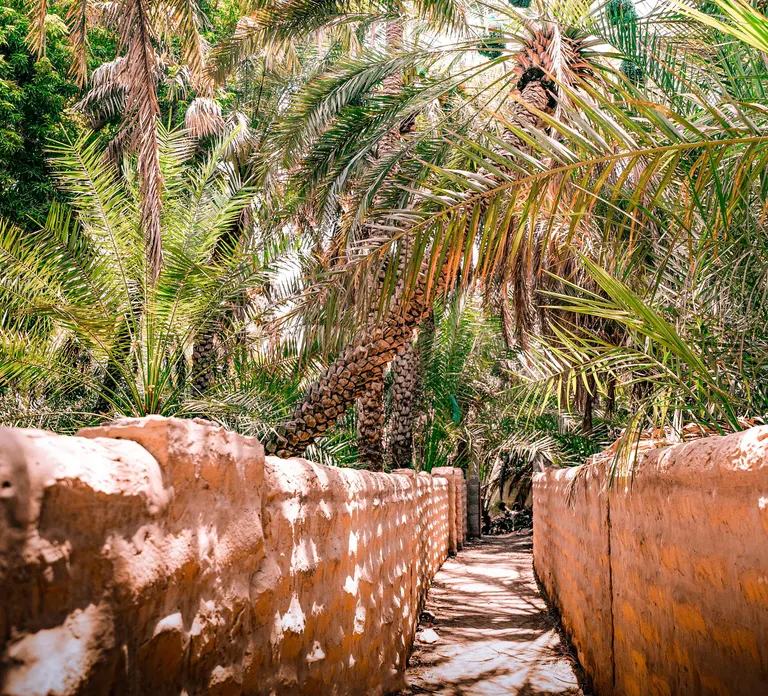
The Al Ain Oasis, with date palms, shaded paths and ancient irrigation channels.
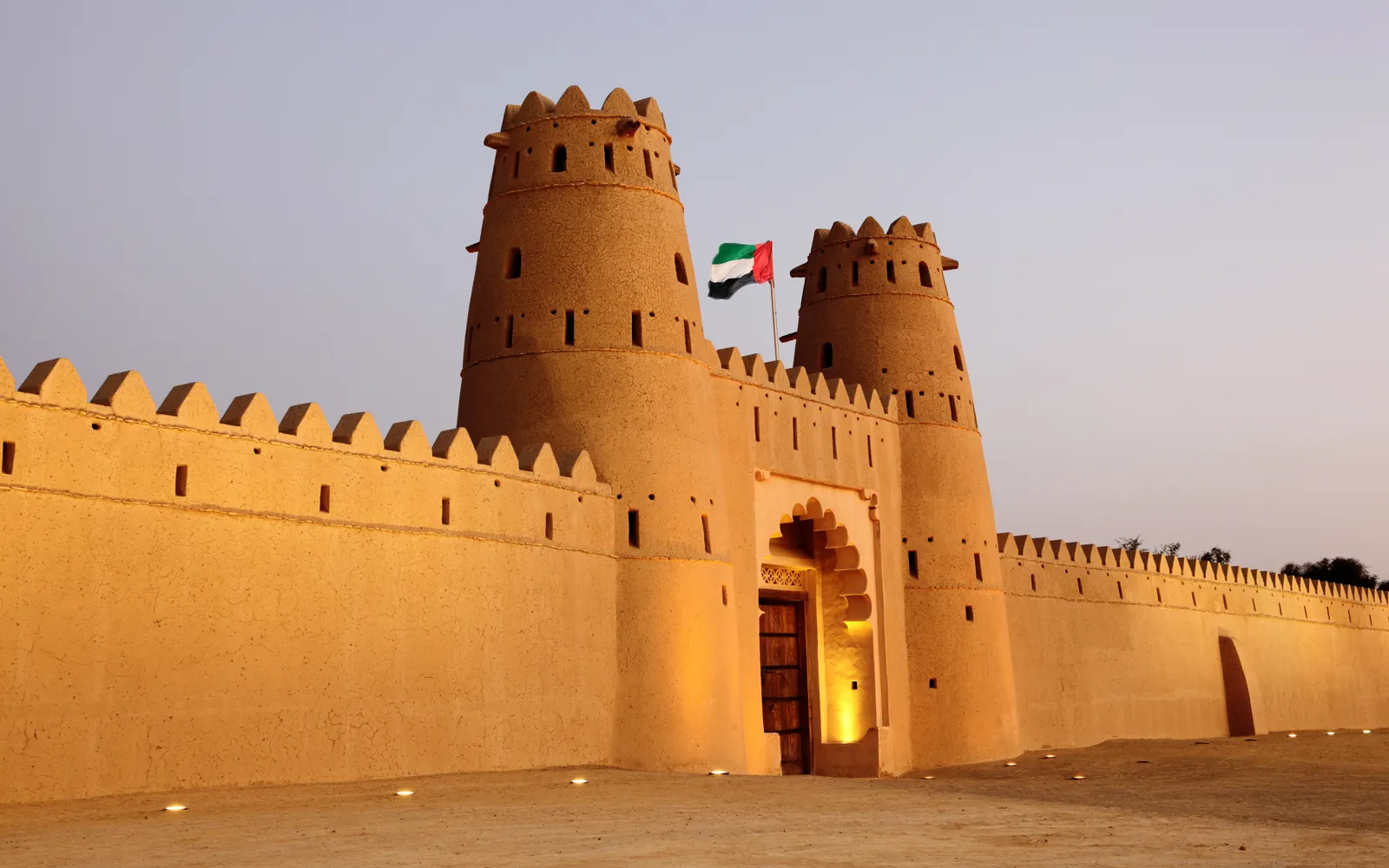
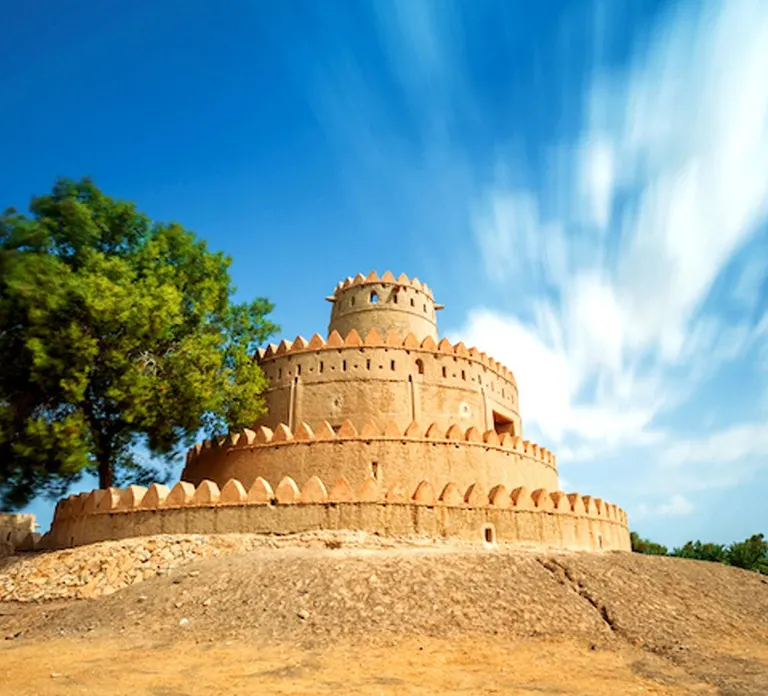
Mud forts, such as Al Jahili Fort and Al Muwaiji Fort.
Jebel Hafeet and the camel market, depending on the route.
We confirm the exact stops of the route in writing when you book.
Al Ain sits in the east of Abu Dhabi emirate, near the border with Oman. It's called the "Garden City" because of its large oasis, and its cultural sites are listed by UNESCO as a World Heritage Site. A day trip to Al Ain is the simple way to see it, with transport and a guide from Dubai or Abu Dhabi.
The heart of the trip is Al Ain Oasis: thousands of date palms, shaded paths and ancient irrigation channels called falaj, still in use. The oasis covers 1,200 hectares, with 147,000 date palms and 100 varieties of fruit trees, such as fig, mango and banana. The falaj channels are about 3,000 years old, and the oasis also has an eco-centre that explains how water was managed here.
Nearby stand mudbrick forts such as Al Jahili Fort and Al Muwaiji Fort. Al Jahili Fort was built in the 1890s on the orders of Sheikh Zayed bin Khalifa, "Zayed the First," as a home for the ruling family. It's built of sun-dried mudbricks, and is one of the largest forts in the UAE. Al Muwaiji Fort was built in the early 20th century, and is where Sheikh Khalifa bin Zayed, later President of the UAE, was born. Its courtyard today has a glass-walled exhibition hall.
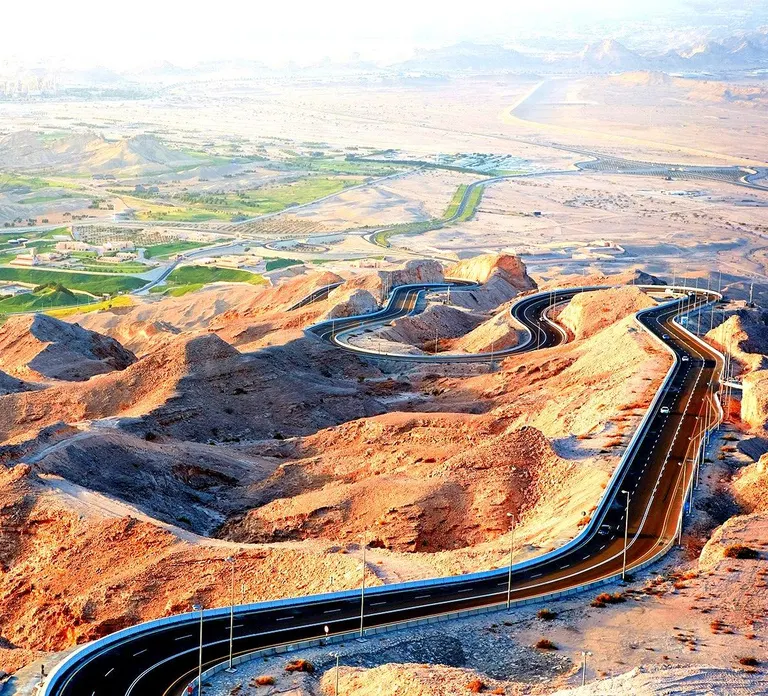
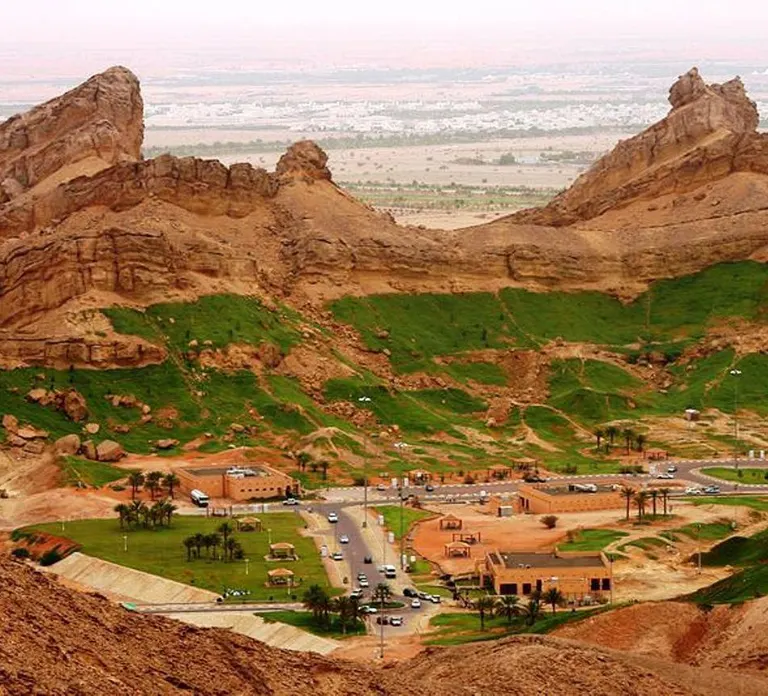
Most tours also go up Jebel Hafeet, the highest mountain in Abu Dhabi emirate, for a view over the city and the desert, and stop at the camel market and the hot springs at the mountain's foot. The mountain is 1,249 metres high, and is the second-highest in the UAE. Its name means "the barren mountain." On the mountain and at its base there are more than 500 ancient tombs, about 5,000 years old, first excavated in 1959.
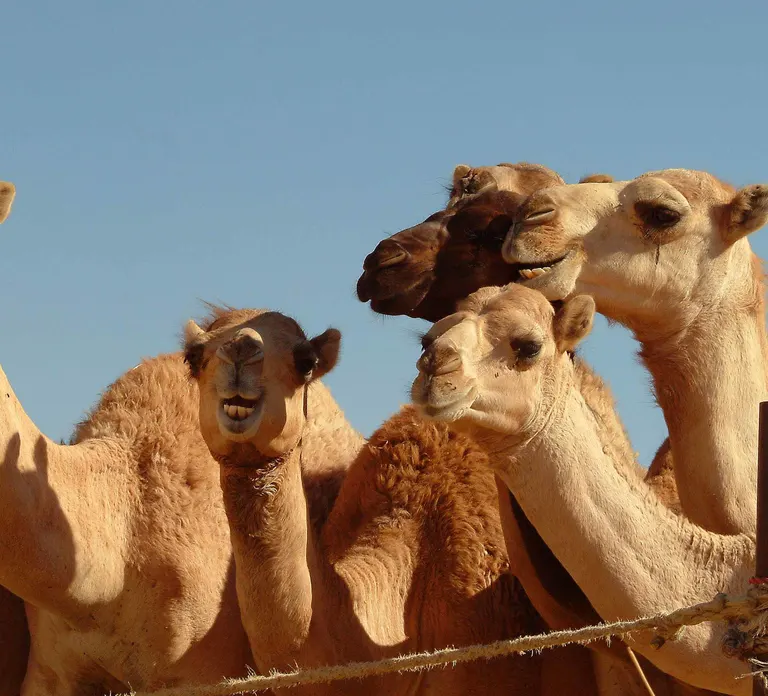
Al Ain's camel market is a working market, not a tourist site. It's about 15 km from central Al Ain, and trading is busiest in the morning. You see camel pens and traders at work.
On the day itself everything travels in one vehicle: pick-up from the hotel, a ninety-minute drive, and then moving between sites with the guide. There's a lunch break in the middle of the day. Al Ain Museum, next to the oasis, reopened in October 2025 after renovation.
It suits anyone who has already seen Dubai and Abu Dhabi and wants a different side of the country: green, historic and quieter.
On 27 June 2011, Al Ain became the first UNESCO World Heritage site in the UAE. Within the listing, the Hili archaeological site shows the earliest evidence of an agricultural village in the UAE, dating back to 2500 BC.
The oasis is more than 4,000 years old and is considered one of the world's oldest inhabited settlements. Two central components of the channels are called Al Aini and Dawood, and the channels carry water from distant mountains.
In the courtyard of Qasr Al Muwaiji the exhibition hall presents the members of the ruling family in chronological order, all connected to the fort, and oral accounts of the life of Sheikh Khalifa, from childhood stories to national achievements. In 1946 the fort became the home and administrative base of Sheikh Zayed bin Sultan.
What is included
Included
- Hotel pick-up and drop-off in an air-conditioned vehicle
- A guide throughout the day
- A buffet lunch
- A visit to the oasis, the forts, the camel market and Jebel Hafeet, according to the route
Not included
- Entry tickets to sites, if they are not specified in the route
- Tips
- Personal expenses
What you will see and do
- Al Ain Oasis: 147,000 date palms and shaded paths, a UNESCO World Heritage site.
- The falaj channels: an irrigation system about 3,000 years old, still in use.
- Al Jahili Fort: a mudbrick fort from the 1890s, one of the largest in the UAE.
- Al Muwaiji Fort: the place where Sheikh Khalifa bin Zayed was born.
- Jebel Hafeet: a viewpoint from the highest mountain in Abu Dhabi emirate, 1,249 metres.
- The camel market: a working market, especially busy in the morning.
- The hot springs: Green Mubazzarah Park at the foot of Jebel Hafeet.
- Al Ain Museum: reopened in October 2025.
Who it suits
Good for…
- Anyone who has already seen Dubai and Abu Dhabi and wants something different
- History, fort and archaeology lovers
- Families who like nature and easy walking
- Photographers, because of the oasis and the mountain viewpoint
Less suited to…
- Anyone with only a day or two in the UAE
- Anyone who doesn't like long days in the car
- Anyone looking for shopping, beaches or theme parks
When to go
It is most comfortable in the cooler months, when you can walk through the oasis and climb Jebel Hafeet without heavy heat. In summer it is worth setting out early. The oasis is open every day, 9:00–19:00. The camel market is liveliest in the morning, and Jebel Hafeet is best reached towards sunset, if the route allows.
Getting there
- Organised trip: pick-up from your hotel in Dubai or Abu Dhabi, in an air-conditioned vehicle, with a guide.
- Distance: about a ninety-minute drive from Dubai or Abu Dhabi. The oasis is about 5 minutes from central Al Ain.
- By bus: there are routes from Dubai and Abu Dhabi to Al Ain, and the ride takes about two hours.
- Within the oasis: you walk, or rent a bicycle, an electric scooter or a group quad-bike.
Good to know
- Al Ain Palace Museum has been closed for renovation since July 2024, with no reopening date. Some itineraries still list it, and it won't be part of the visit.
- The oasis is open daily, 9:00 AM-7:00 PM.
- We'll confirm the exact stops on the itinerary, including the camel market, in writing when you book.
- Comfortable shoes, a hat and a water bottle. You walk quite a bit in the oasis.
- It's a long day: the drive from Dubai or Abu Dhabi is about ninety minutes each way.
- A visit to the camel market is arranged in advance and takes place with market staff.
- Al Muwaiji Fort: entry and the guided tour there are free.
- The day tour with lunch must be booked at least 24 hours ahead.
Buy online
Book and pay right here on the site · secure paymentFrequently asked questions
What do you see on a day trip to Al Ain?
Is Al Ain Palace Museum open?
What are the oasis's opening hours?
How long is the drive to Al Ain?
Is Al Ain Museum open?
How high is Jebel Hafeet?
Why is Al Ain called the Garden City?
Is a day trip to Al Ain suitable for children?
What does the Al Ain UNESCO listing include?
Is there water in the falaj channels in every season?
Keep exploring
More experiences in Abu Dhabi







Where to stay
Recommended hotels in Abu Dhabi




The perfect combination
Also in Dubai







Plan smart
From the magazine
More inspiration