

Sharjah · Half a day
Mleiha — Archaeological Centre and Desert
An archaeological museum in the heart of a World Heritage site, and after it dunes, sandboarding and a sky full of stars.
Tickets and prices
| Option | Price |
|---|---|
| A desert safari with stargazing and dinner, including entry to the museum | Not available right now |
| A desert safari with sandboarding, stargazing and dinnerPrivate 4X4 safari with sandboarding, stars and dinner, without museum entry | 1000 AED per person |
- World Heritage site
- The Faya landscape, since 2025
- Human history
- More than 210,000 years
- Included
- Hotel pick-up by 4x4
- Centre opened
- 2016
Mleiha lies in the desert at the heart of the Emirate of Sharjah. The archaeological centre presents the region's history, and sits within the Faya Palaeolandscape, declared a UNESCO World Heritage Site in 2025. Excavations in the area have found evidence of human presence from more than 210,000 years ago.
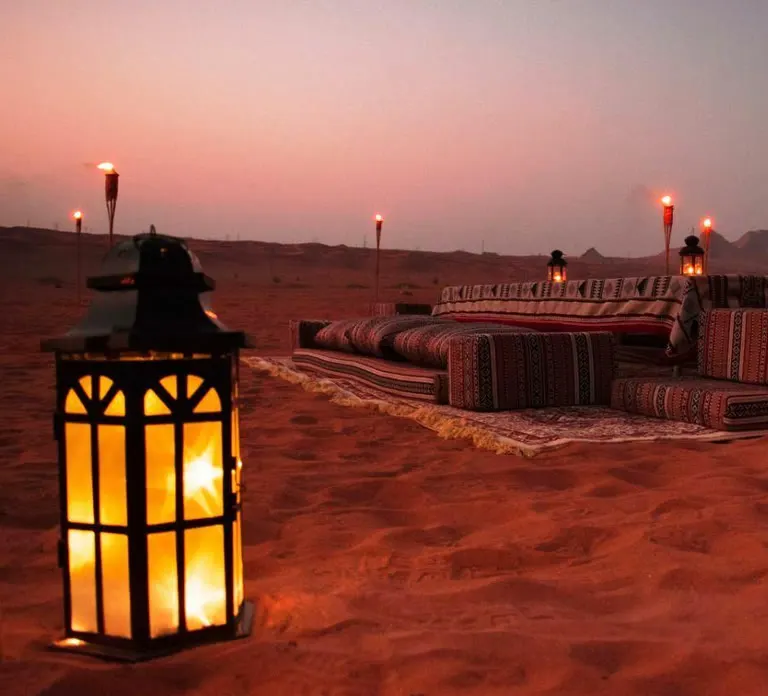
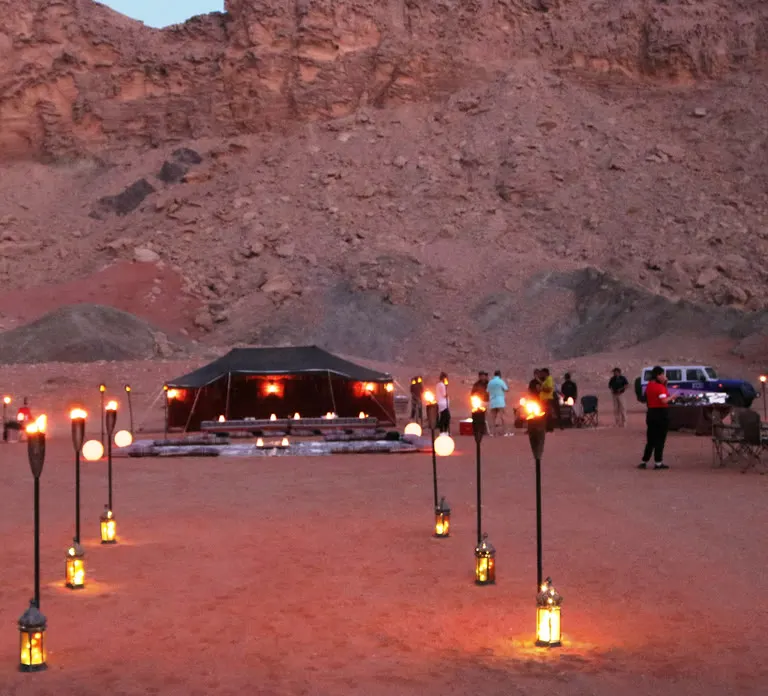
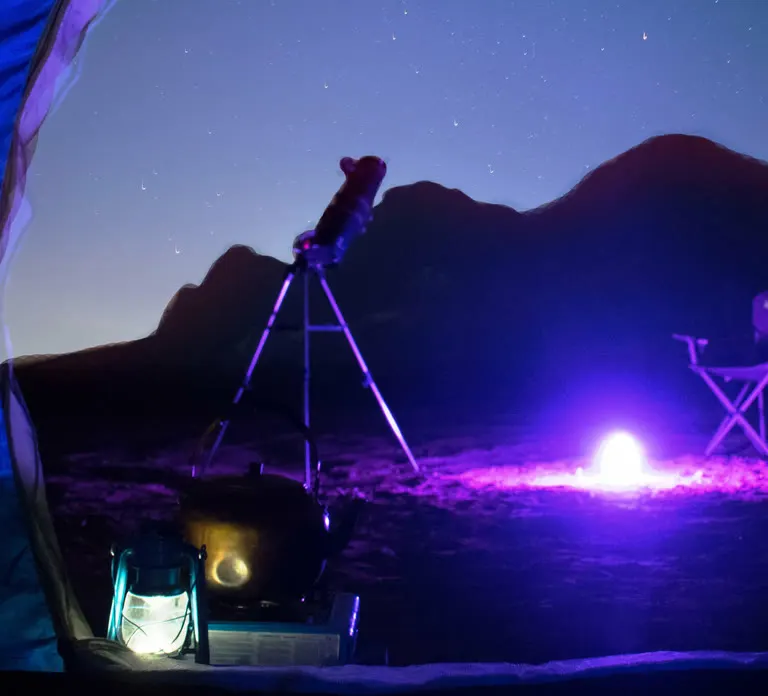
The tours combine the museum with an evening in the desert: dune driving in an off-road vehicle, sandboarding, sunset, and after dark, guided stargazing and dinner on site.
It's a quieter alternative to Dubai's desert safari. It suits anyone interested in history, families with children aged 5 and up, and anyone who wants to see truly dark skies.
Tip: winter evenings are cold in the desert. Bring a light jacket and closed shoes.
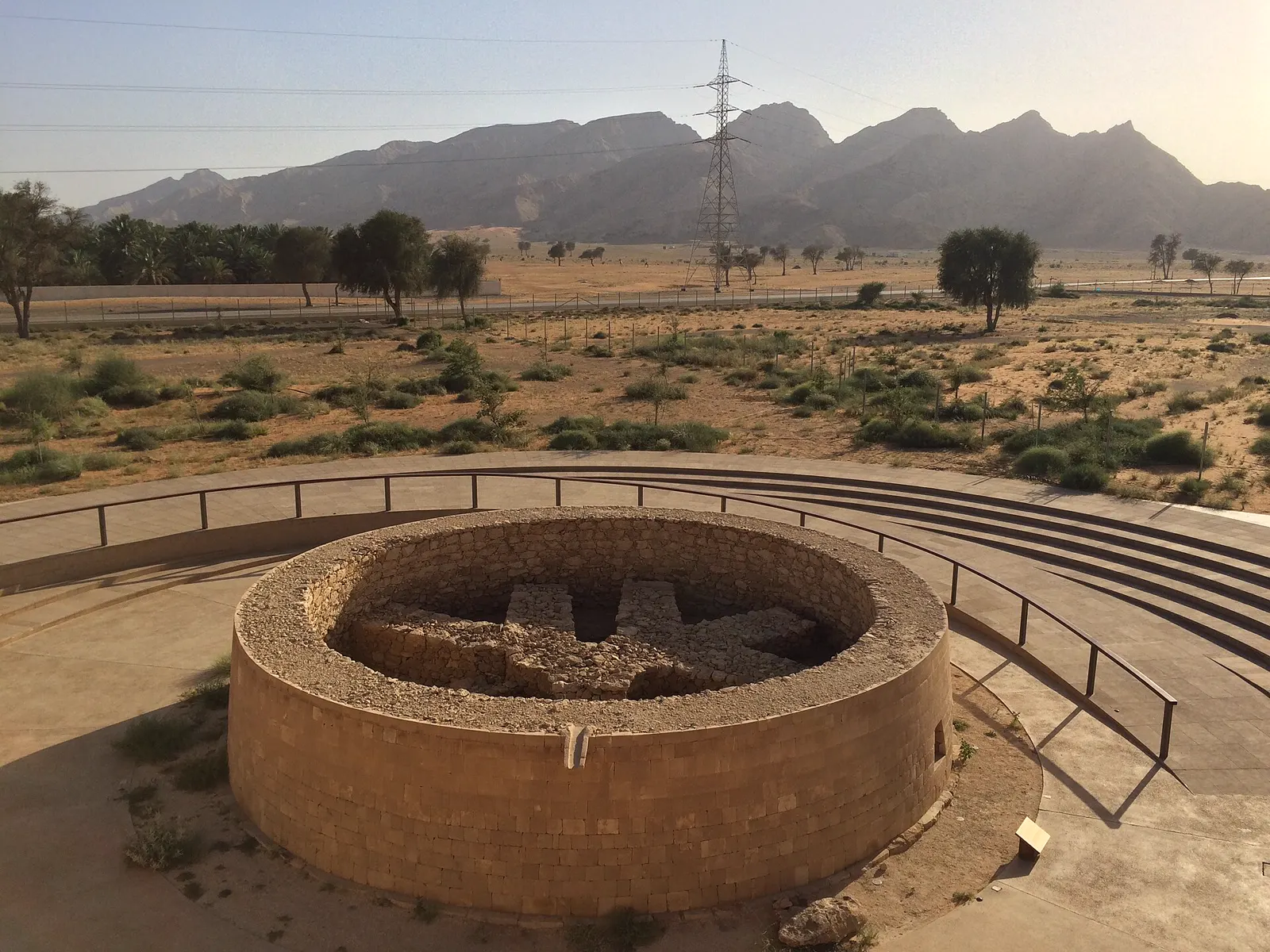
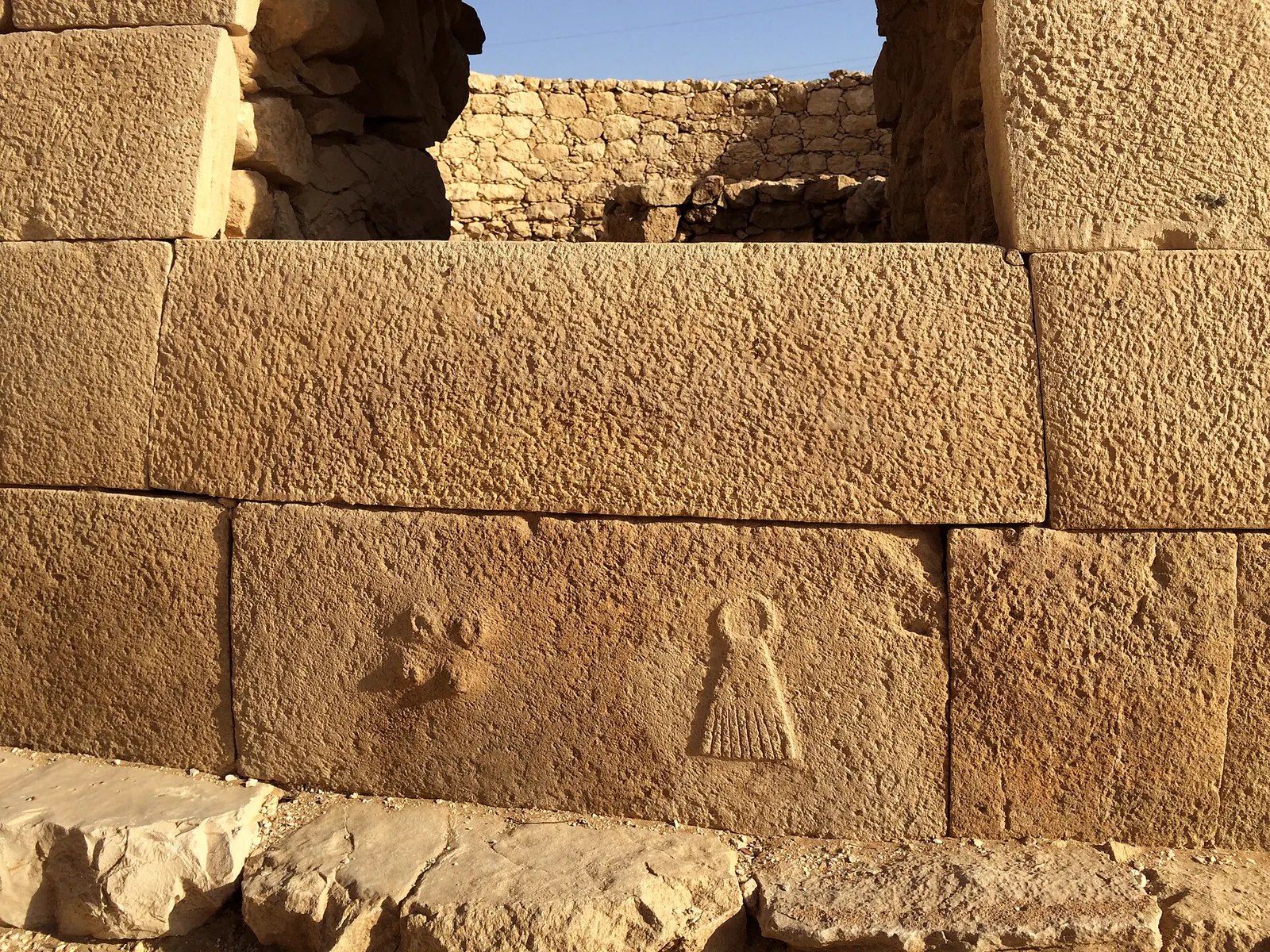
The Mleiha Archaeological Centre (also spelled Mleihah) opened in January 2016. It's built around a circular tomb from the Umm Al Nar period, the Bronze Age, constructed around 2,300 BCE. The tomb is 13.9 metres in diameter, was used for about 200 years, and is the second-largest of its era in the UAE.
The display moves between periods, from the Stone Age to the pre-Islamic era. You'll see flint tools, finds from the Bronze and Iron Ages, jewellery, arrowheads, ancient coins and wine jars from Rhodes. There's also a mould for striking coins from the time of Alexander the Great. The finds suggest a trading kingdom existed here between the 3rd century BCE and the 3rd century CE.
The Faya Palaeolandscape inscription was approved on 11 July 2025, at the 47th session of the World Heritage Committee in Paris. It's the second site in the UAE on the list, after the cultural sites of Al Ain, inscribed in 2011. That year, it was the only Arab nomination the committee discussed. The excavations, which have run for more than 30 years with the University of Tübingen and Oxford Brookes University, uncovered 18 archaeological layers. They show that humans returned to live here again and again, not just passed through on their way out of Africa.
Mleiha is also known for a find with no parallel on the Arabian Peninsula: ritual burials of horses and camels. Research in the area has been run by the Sharjah Archaeology Authority since 1973, and the national park is operated by Sharjah's investment and development authority, Shurooq.
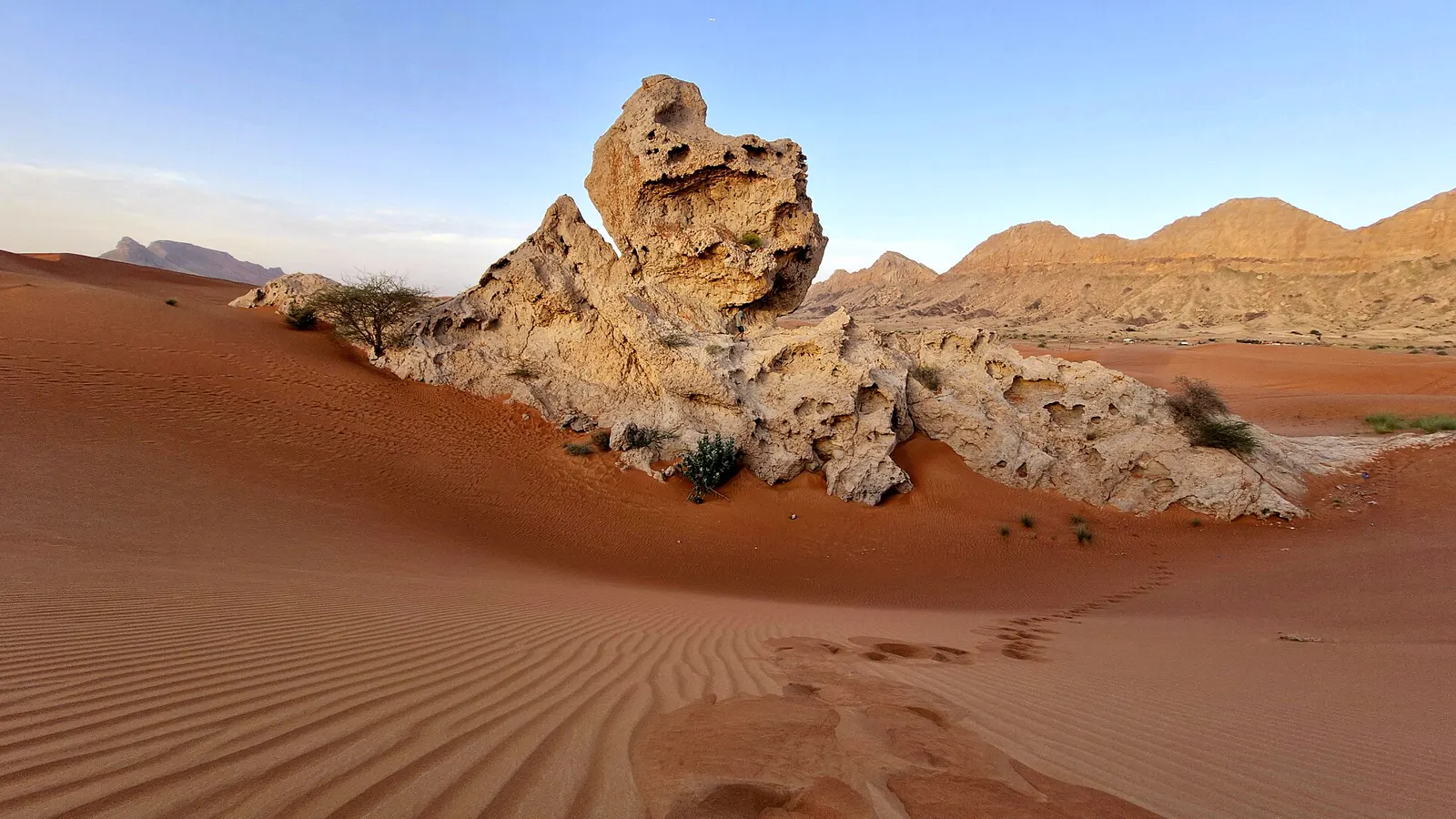
The centre sits within Mleiha National Park, an area of more than 34 square kilometres. About half a kilometre away is a fort from the Mleiha period, and the area also has Fossil Rock and Camel Rock, with marine fossils and open desert views. The Mleiha desert safari ties it all together into one evening: a bit of history, a bit of dunes, and a lot of quiet.
The centre's building was designed with the Bronze Age in mind. The copper cladding on the walls recalls the ancient copper workshops that operated in the area, and the copper roof steps down in jagged edges, like a desert rose. Palm and ghaf trees were planted around the building to bring back the environment in which the tomb was built thousands of years ago. In 2016 the project won the award for the best community, culture and tourism project in the Middle East.
The tomb stands in the middle of the building and is open to all visitors. Around it there are three experiences: a gentle descent to the tomb, a rooftop promenade with a view of the tomb from above, and an exhibition area that tells the story of the tomb and of Mleiha.
Inside the tomb the chamber is split into an eastern and a western half, and each half is divided into four units linked by doorways. The builders added a stone gutter at the top of the tomb to drain rainwater. Grave robbers emptied most of the contents, but incomplete skeletons and bones were still recovered, together with necklaces, bracelets, beads, copper pins, rings, tools and weapons. The finds suggest links with Mesopotamia and the wider Gulf.
What is special about the Faya Palaeolandscape inscription? Until Faya was inscribed, desert Palaeolithic sites were not represented on the World Heritage List. The landforms at the site provided water and raw materials, which made settlement possible. The nomination was submitted in February 2024, after 12 years of preparation, and the Ruler of Sharjah received the inscription certificate at a ceremony held at the Mleiha Archaeological Centre.
What is included
Included
- Pick-up from your hotel and back in a private 4X4
- A drive through the dunes and sandboarding
- Stargazing
- Dinner at the Mleiha café
- Entry to the archaeological museum (on one of the two options only)
Not included
- A visit to Camel Rock and Fossil Rock
- Tips
- Alcoholic drinks
What you will see and do
- The Umm Al Nar tomb: a circular tomb about 4,300 years old, around which the museum is built.
- A display spanning the Stone Age to the pre-Islamic era: flint tools, jewellery, coins and wine jars.
- A mould for striking coins from the time of Alexander the Great.
- 18 layers of human habitation in the Faya Palaeolandscape, uncovered over more than 30 years of excavation.
- Dune driving in a 4x4 and sandboarding down the dunes.
- A desert sunset, followed by guided stargazing.
- Dinner at Mleiha's café.
- Faya Palaeolandscape: a UNESCO World Heritage Site, with evidence of human presence from more than 210,000 years ago.
- A building inspired by the Bronze Age, with copper cladding and a roof that recalls a desert rose.
- A gentle descent to the tomb and a rooftop promenade with a view of the tomb from above.
- A tomb that was mostly looted, yet it still yielded necklaces, bracelets, beads and copper pins.
Who it suits
Good for…
- Anyone interested in history and archaeology
- Families with children aged 5 and up
- Anyone looking for a quieter desert safari, without shows
- Photography lovers and fans of dark skies
Less suited to…
- Pregnant women and anyone with back or heart problems, because of the dune drive
- Anyone looking for an evening show, dancing and a party atmosphere
- Anyone wanting to visit Fossil Rock, which isn't included in these tours
When to go
The tours set out in the afternoon and return in the evening, so you see the desert at sunset and the stars after dark. We will confirm the exact pick-up time in writing when you book.
Getting there
- The tours include hotel pickup and drop-off in a private 4x4. You don't need to make your own way there.
- The centre is in Sharjah's central region, inland, between the west coast and the east coast.
- Anyone visiting the museum independently needs a vehicle. Some of the archaeological sites in the area are accessible only by 4x4.
Good to know
- Museum entry is included in only one of the two tours. Anyone coming for the archaeology should choose the tour that includes it.
- The dune drive isn't recommended for pregnant women or anyone with back injuries or heart problems.
- Minimum age on the tour that includes the museum: 5.
- Bring: a light jacket for the evening, closed shoes, sunglasses and a hat.
- The museum has interactive multimedia displays that help children understand the different periods.
- The national park also hosts other activities, like fossil and stone-tool workshops, tours of the Valley of the Caves and Jebel Buhais, and a space camp with telescopes. These aren't part of these tours.
Buy online
Book and pay right here on the site · secure paymentFrequently asked questions
What's the difference between Mleiha and a Dubai desert safari?
How long does the tour last?
Is Fossil Rock included?
What are the museum's opening hours for independent visitors?
What do you see at the Mleiha Archaeological Centre?
Is Mleiha a World Heritage Site?
Is a desert safari in Sharjah suitable for children?
What's special about the Faya Palaeolandscape?
How many World Heritage Sites are there in the UAE?
Is hotel pickup included?
What does the building of the Mleiha Archaeological Centre look like?
What can you see around the tomb at the centre?
What was found in the Mleiha tomb?
Keep exploring
More experiences in the Northern Emirates





The perfect combination
Also in Abu Dhabi




Plan smart
From the magazine
More inspiration