
Sharjah · Half a day
Sharjah Tour from Dubai
Half a day in the cultural neighbour of Dubai: Al Hisn Fort, the Blue Souk, Souq Al Arsah and the Museum of Islamic Civilisation, with pick-up from your hotel in Dubai.
Tickets and prices
| Option | Price |
|---|---|
| A shared tour from Dubai, half a day | Not available right now |
| A Sharjah and Ajman tourA combined tour that visits Ajman too, not just Sharjah | 194 AED per person |
| A private tour for your group | Not available right now |
- Duration
- About 4 hours
- Departure
- Pick-up from your hotel in Dubai
- Al Hisn Fort
- Early 19th century
- The Blue Souk
- About 600 shops
What a tour of Sharjah from Dubai looks like
Pickup from your hotel in Dubai and an air-conditioned drive to Sharjah, with an English-speaking guide.
You visit the city's historic sites, such as Al Hisn Fort and the old souks.
Photo stops at the mosques and the main sights.
Back to your hotel in Dubai.
A tour of Sharjah from Dubai is the easy way to get to know the neighboring emirate and its traditional side. In half a day you move between the city's historic fort, the old markets, the large mosques and the Islamic art museum. Pickup is from your Dubai hotel, so there's no need to plan transport, parking or a route.
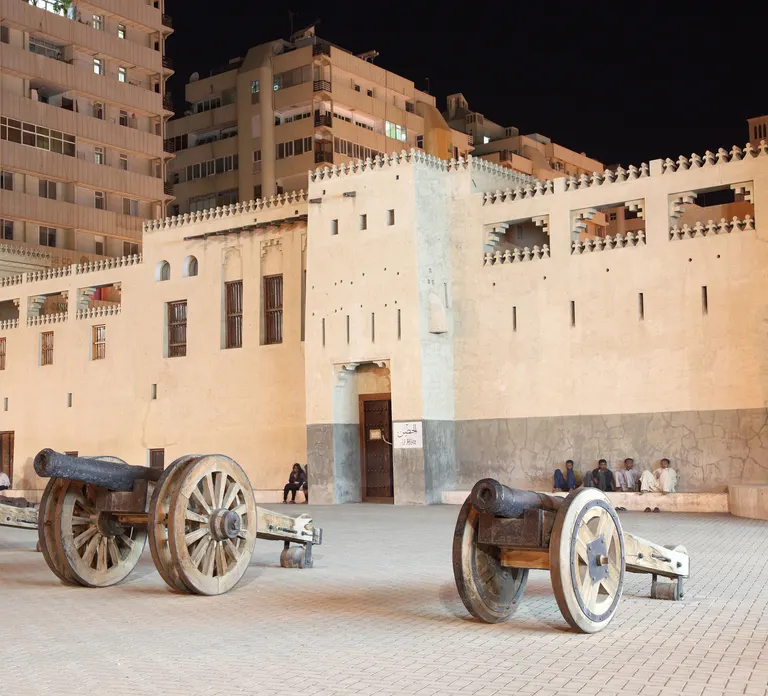
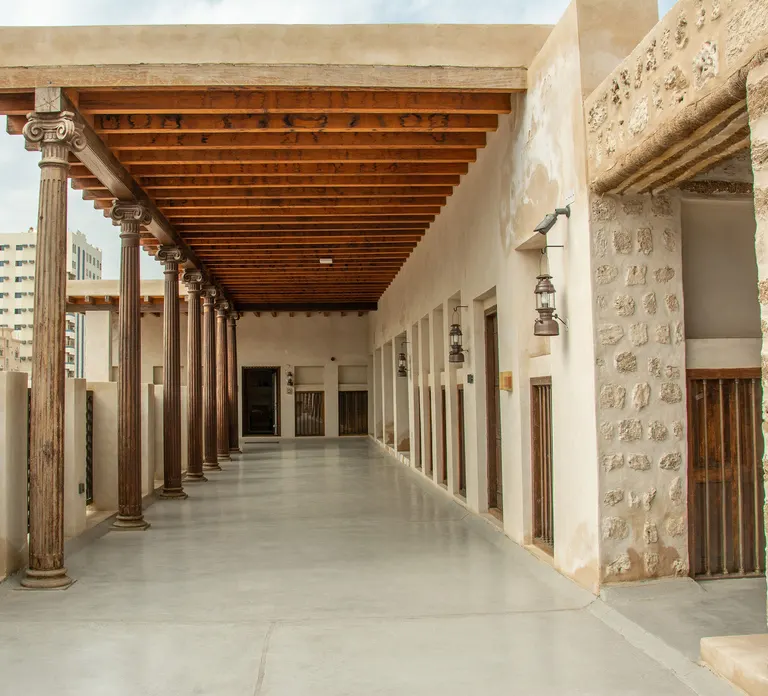
The main historic stop is Al Hisn Fort. The fort was built in the early 19th century by Sharjah's ruler at the time, and was home to the ruling family and the center of local government. It's built of coral stones gathered from the gulf, with teak wood doors and ceilings of mangrove trunks and palm branches. The fort was rebuilt in 1996 under the direction of the current ruler, and became a museum that tells the story of Sharjah 200 years ago.
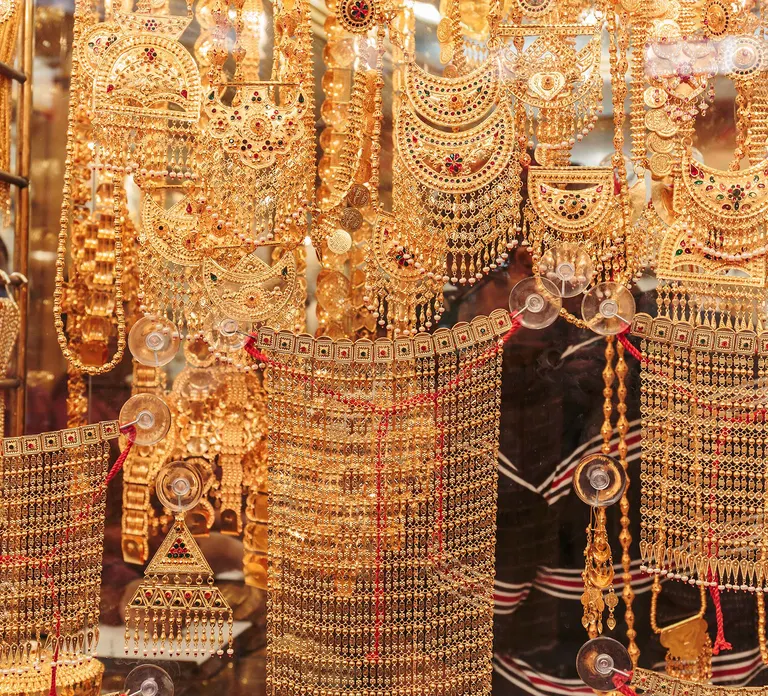
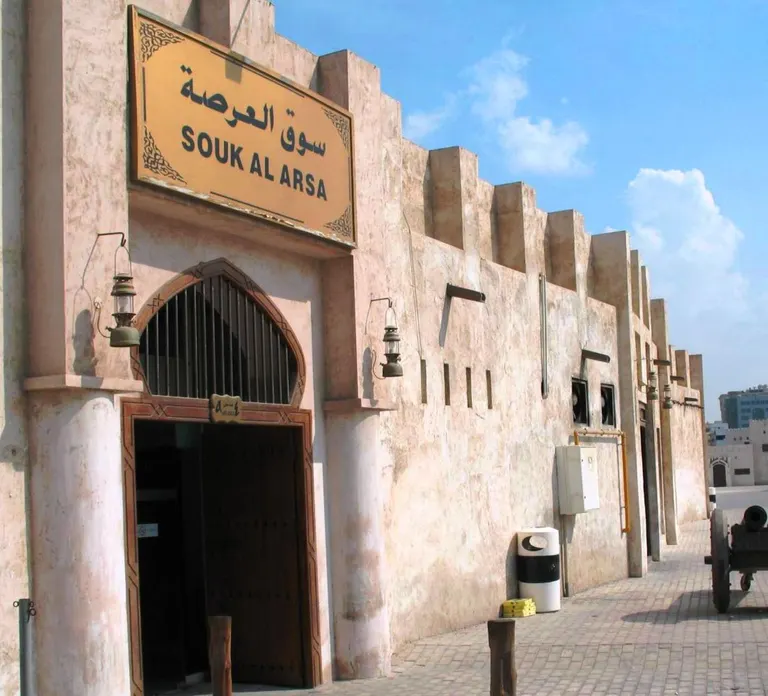
Next to the fort is Souq Al Arsah, considered one of the country's oldest markets. In the past, merchants arrived here from Persia, India and Bedouin tribes. Today it's a covered, air-conditioned market with alleys, heavy wooden doors, coral-stone walls and hanging lanterns. Vendors sell pearl boxes, copper coffee pots, jewelry and traditional clothing.
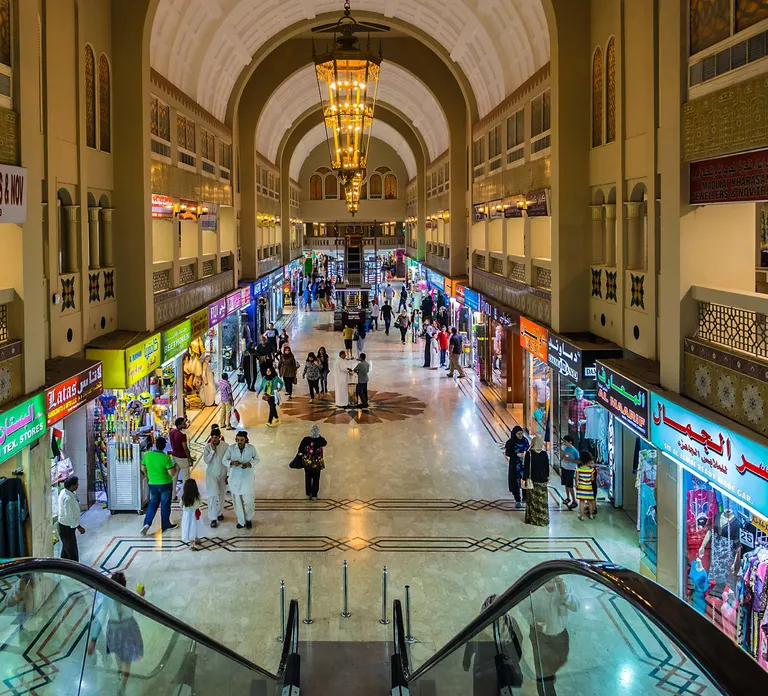
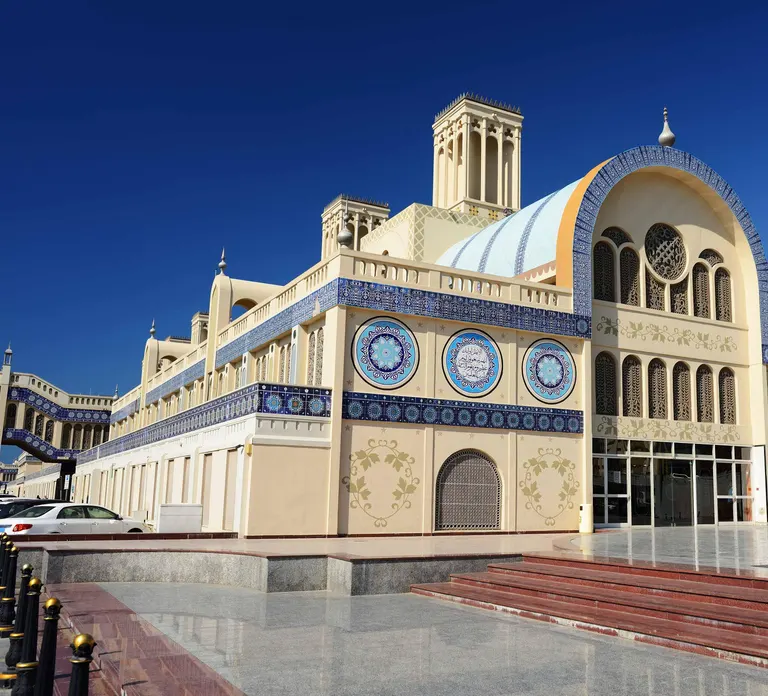
The main market, which everyone calls the Blue Souq because of its blue tiles, was built in 1978. It has about 600 shops on two floors and in two wings, with carpets, jewelry, gold and handicrafts. The building, with its wind towers, is one of Sharjah's best-known landmarks.
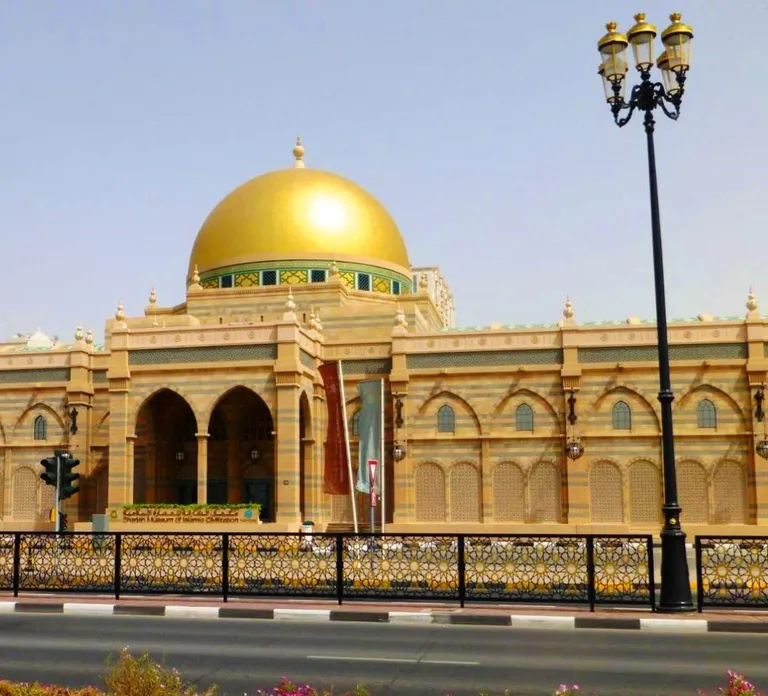
Some tours also enter the Sharjah Museum of Islamic Civilization. The museum opened in 2008 in a former souq building on the Sharjah waterfront. It has seven halls across two floors, with pottery, metalwork, wood carvings, manuscripts and textiles from the 7th century to the 20th. On others, you enter the Sharjah Heritage Museum instead. What's exactly included depends on the tour type you choose.
Along the way there's a photo stop by King Faisal Mosque. It opened in January 1987, can hold more than 16,000 worshippers, and was the largest mosque in the country until 2007. On some routes there's also a stop by Al Noor Mosque on Al Buhaira Corniche.
The tour suits anyone who has already seen modern Dubai and wants to discover the historic and traditional side of the Emirates. It also suits families, since it's short, includes hotel pickup, and the markets interest children too. Anyone who loves shopping for souvenirs, fabrics and jewelry will find more in the two markets than can be seen in a single visit.
In the late nineteen-sixties the fort almost disappeared. It was demolished, and only one tower and two damaged walls were left. The current ruler of Sharjah, Sheikh Sultan bin Muhammad Al Qasimi, kept the fort's main doors for 28 years, and then ordered it rebuilt from historical photographs.
Inside the fort the rooms are arranged on two floors around a central courtyard. There is a room where dibs was made, and the grooves that carried it to a pot can still be seen in the floor. There is an armoury with daggers, swords and firearms, and also living rooms and a majlis that show how the ruling family lived.
Souq Al Arsah is built as a courtyard souq. It was rebuilt in 1995 with the same local materials, and it has 83 shops. It is also known as Souq Al Masqoof. Among the goods sold there are brass and silver, medicinal herbs, wooden items, traditional swords and daggers, old coins and model ships.
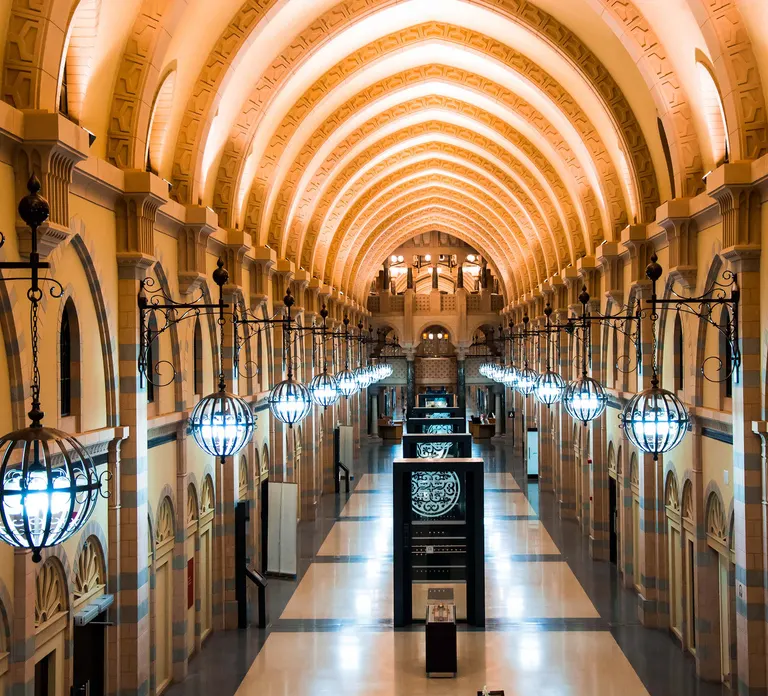
The Central Souq stands on the edge of Khalid Lagoon. It is built as two long buildings, joined by pedestrian bridges. When it opened, shoppers came to it from Dubai and Abu Dhabi to buy the latest fabrics.
At the Museum of Islamic Civilization the ground floor is devoted to faith and science, and on the upper floors Islamic art is arranged in chronological order. The Abu Bakr Gallery of Islamic Faith shows a model of the Kaaba and a facsimile of the Quran of Uthman. It also shows parts of the Kiswah, the black silk cloth embroidered with gold and silver thread that covers the Kaaba. In the inner dome of the building there is a mosaic of the night sky with the zodiac signs.
King Faisal Mosque is named after King Faisal of Saudi Arabia. Its design is clean and simple: three levels that project further forward as they rise, and two plain minarets with a small dome between them on the roof.
What is included
Included
- Air-conditioned transfers from Dubai and back
- A licensed English-speaking guide
- On the shared tour: an audio system with commentary in several languages
- Entry to at least one museum, according to the type of tour
- Photo stops at the mosques and the main sites
Not included
- Food and drink
- Tips
- Personal expenses and purchases at the souks
What you will see and do
- Al Hisn Fort: a coral-stone fort from the early 19th century, once home to the ruling family.
- Souq Al Arsah: one of the country's oldest markets, with covered alleys and wooden doors.
- The Blue Souq: about 600 shops across two wings, with carpets, gold and handicrafts.
- Sharjah Museum of Islamic Civilization: seven halls of Islamic art and science.
- King Faisal Mosque: a photo stop by one of Sharjah's largest mosques.
- Al Noor Mosque: a photo stop on Al Buhaira Corniche, on some routes.
- Guided commentary in English, and on the shared tour also a multilingual audio system.
- Al Muhalwasa prison cell: a round prison cell of coral stone inside the fort.
- The Ibn Al-Haytham Gallery: reconstructed astrolabes, water clocks and hydraulic models, at the Museum of Islamic Civilization.
- Al Noor Mosque: a building inspired by Ottoman style on Khalid Lagoon, on some routes.
Who it suits
Good for…
- Anyone who has already seen Dubai and wants to discover history and heritage
- Families with children, on a half-day tour with hotel pickup
- Anyone who loves markets, jewelry, fabrics and souvenirs
- Anyone without a car who wants hotel pickup
Less suited to…
- Anyone looking for extreme or beach attractions
- Anyone who wants long free time at each stop, on the shared tour
- Anyone who needs drop-off back at their hotel on the shared tour, which ends at Dubai Mall
When to go
The tour sets out in the morning, so most of the time outdoors passes before the big midday heat. In the summer months, June to September, daytime temperatures reach 42–45 degrees and humidity goes above 90%, so bring a hat, sunglasses and water. Souq Al Arsah is covered and air-conditioned, and the museums are enclosed buildings, so there are places to cool down between stops.
Getting there
- On the shared tour there's pickup from a Dubai hotel or from the Dubai Internet City metro station, roughly between 8:00 and 8:30.
- At the end of the shared tour, drop-off is at Dubai Mall, not back at the hotel.
- On the private tour, pickup and drop-off are from anywhere in Dubai, in an air-conditioned vehicle.
- We'll confirm your exact pickup time in writing when you book.
Good to know
- The price of the private tour is for two people.
- The shared tour runs about 4 hours, in the morning.
- On the private tour, children under 5 must sit in a car seat. Note this when booking.
- On the private tour there's no child discount, and every participant counts as an adult.
- Light clothing suits most of the year. In winter, especially in the evening, a sweater or jacket is a good idea.
- Good sunglasses, a hat and comfortable shoes are worth bringing.
- There's plenty to buy in the markets, so it's worth leaving room in your bag.
- The exact route depends on the tour type, and we'll confirm it in writing when you book.
- The Sharjah and Ajman tour must be booked at least 48 hours ahead, and at booking you enter each traveller's passport number.
Buy online
Book and pay right here on the site · secure paymentFrequently asked questions
What do you see on a Sharjah tour from Dubai?
How long does a Sharjah tour take?
Is there pickup from a Dubai hotel?
What is the Blue Souq in Sharjah?
Is a Sharjah tour suitable for kids?
What's the difference between the shared and private tour?
Can Ajman be combined too?
What does the name Al Arsah mean?
What is dibs?
Who designed King Faisal Mosque?
Keep exploring
More experiences in the Northern Emirates







The perfect combination
Also in Abu Dhabi





Plan smart
From the magazine

More inspiration