

Saadiyat · New
Natural History Museum Abu Dhabi
Abu Dhabi's new natural history museum, with enormous dinosaur skeletons. A strong draw for families.
Tickets and prices
| Option | Price | |
|---|---|---|
| Entry | Not available right now | 69 AED per person |
| Entry + Zayed National MuseumEntry to the Natural History Museum and the Zayed National Museum | 135 AED per person | |
| Entry + Louvre Abu DhabiEntry to the Natural History Museum and the Louvre Abu Dhabi | 119 AED per person | |
| Combined ticket for the three Saadiyat museumsThree museums on one ticket: Natural History, Zayed National and the Louvre | 169 AED per person |
- Opened
- 22.11.2025
- Location
- Saadiyat Island
- Star exhibit
- A T. rex named Stan
- Area
- About 35,000 m²
The Natural History Museum Abu Dhabi opened in November 2025 in Saadiyat's Cultural District. It tells the story of Earth, from the Big Bang to the future of our planet. Anyone looking for a natural history museum in Abu Dhabi, or the new dinosaur museum, ends up here.
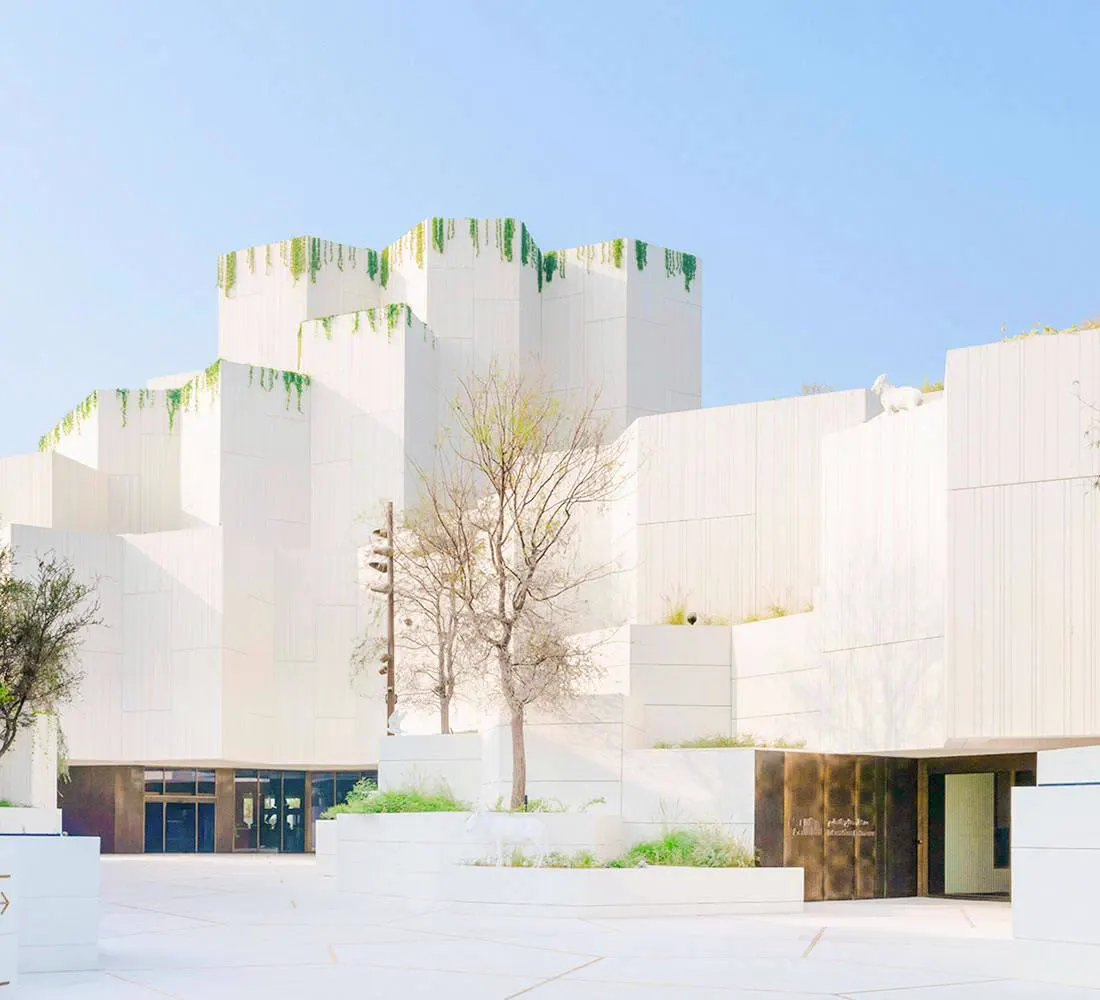
The museum spans about 35,000 sq m and covers 13.8 billion years of history. It's the largest natural history institution in the Middle East. The building was designed by the Dutch architecture firm Mecanoo, inspired by basalt columns formed by ancient lava flows. It has hanging gardens, planted terraces, and an indoor space shaped like a canyon, where local plants grow.
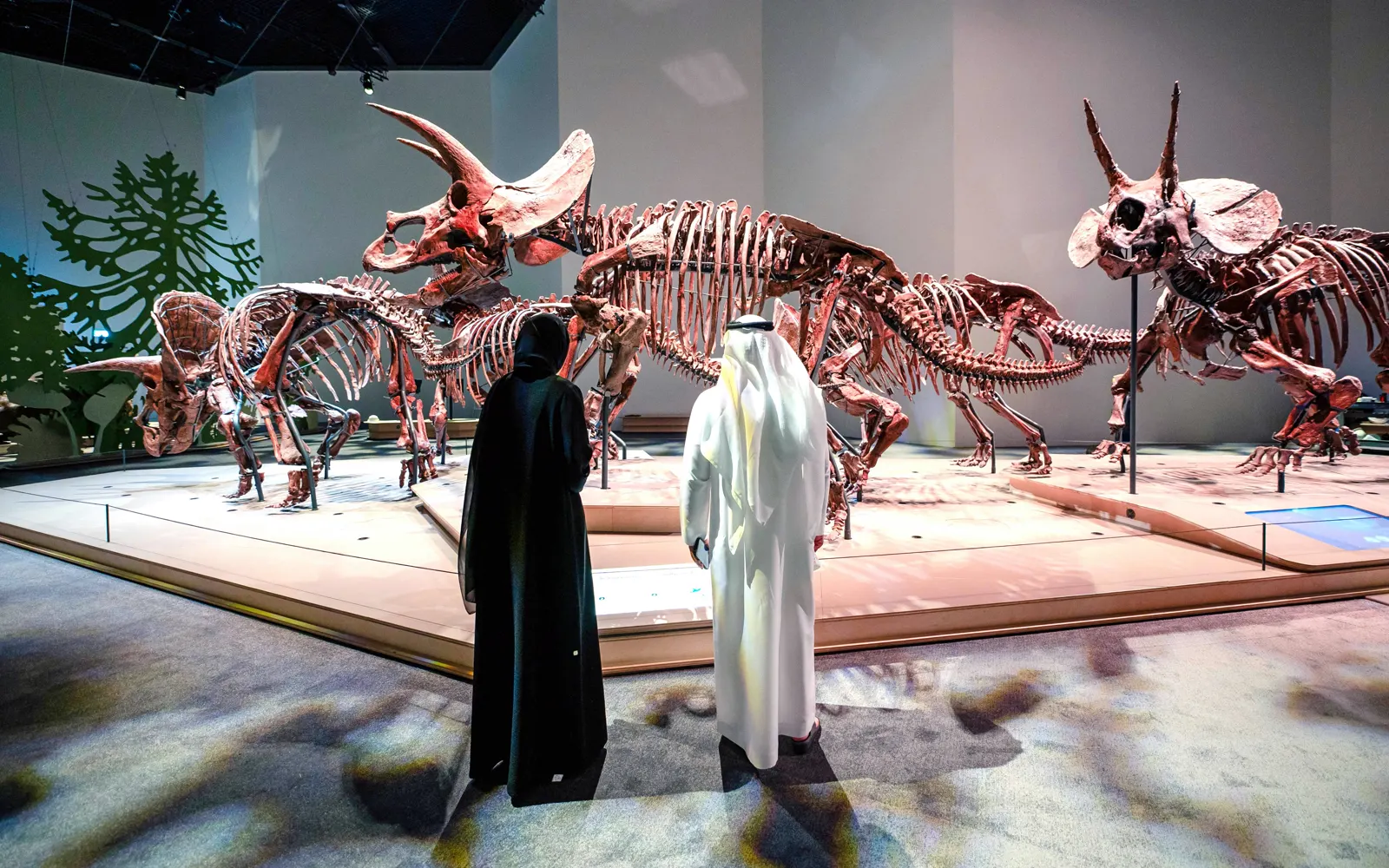
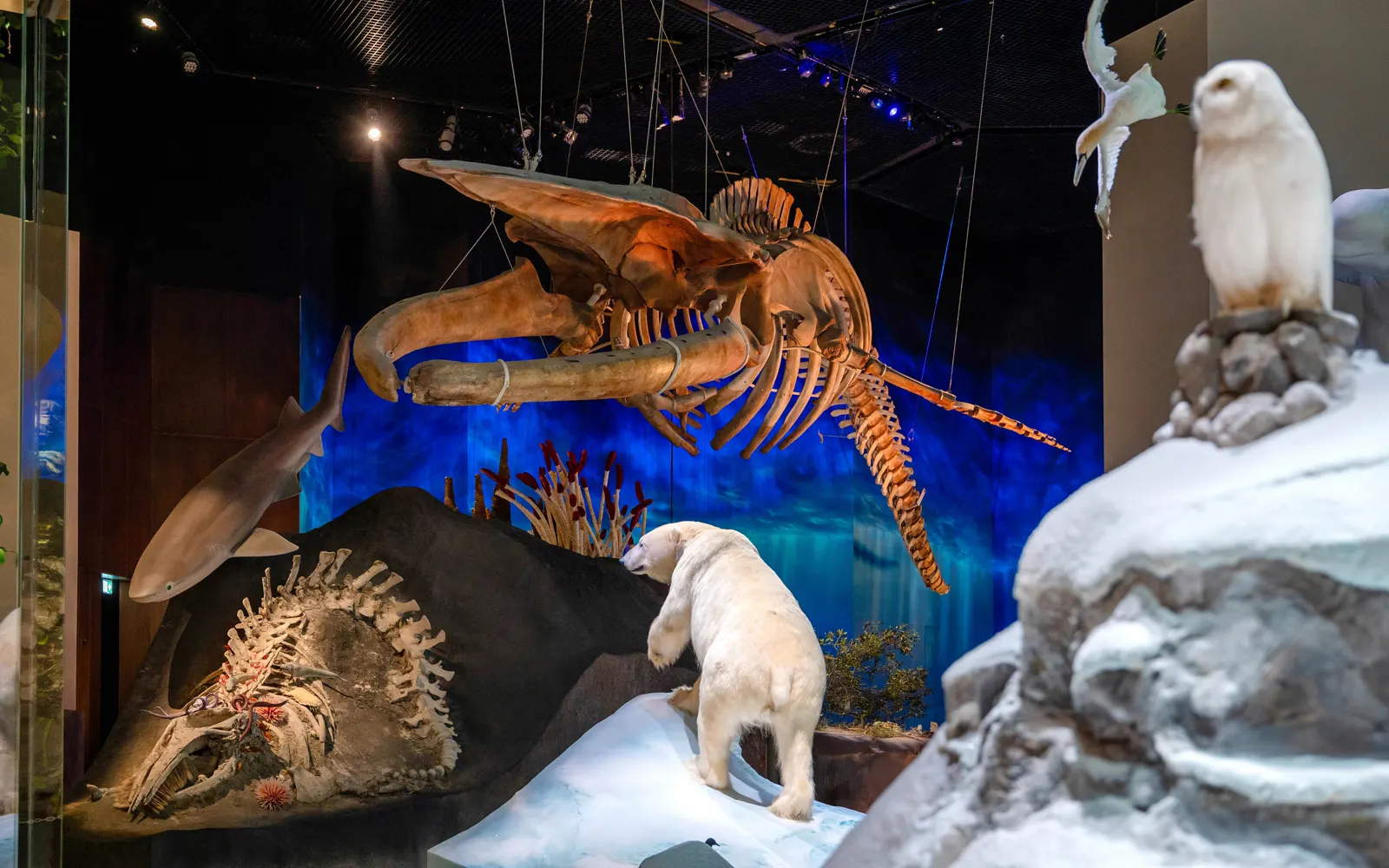
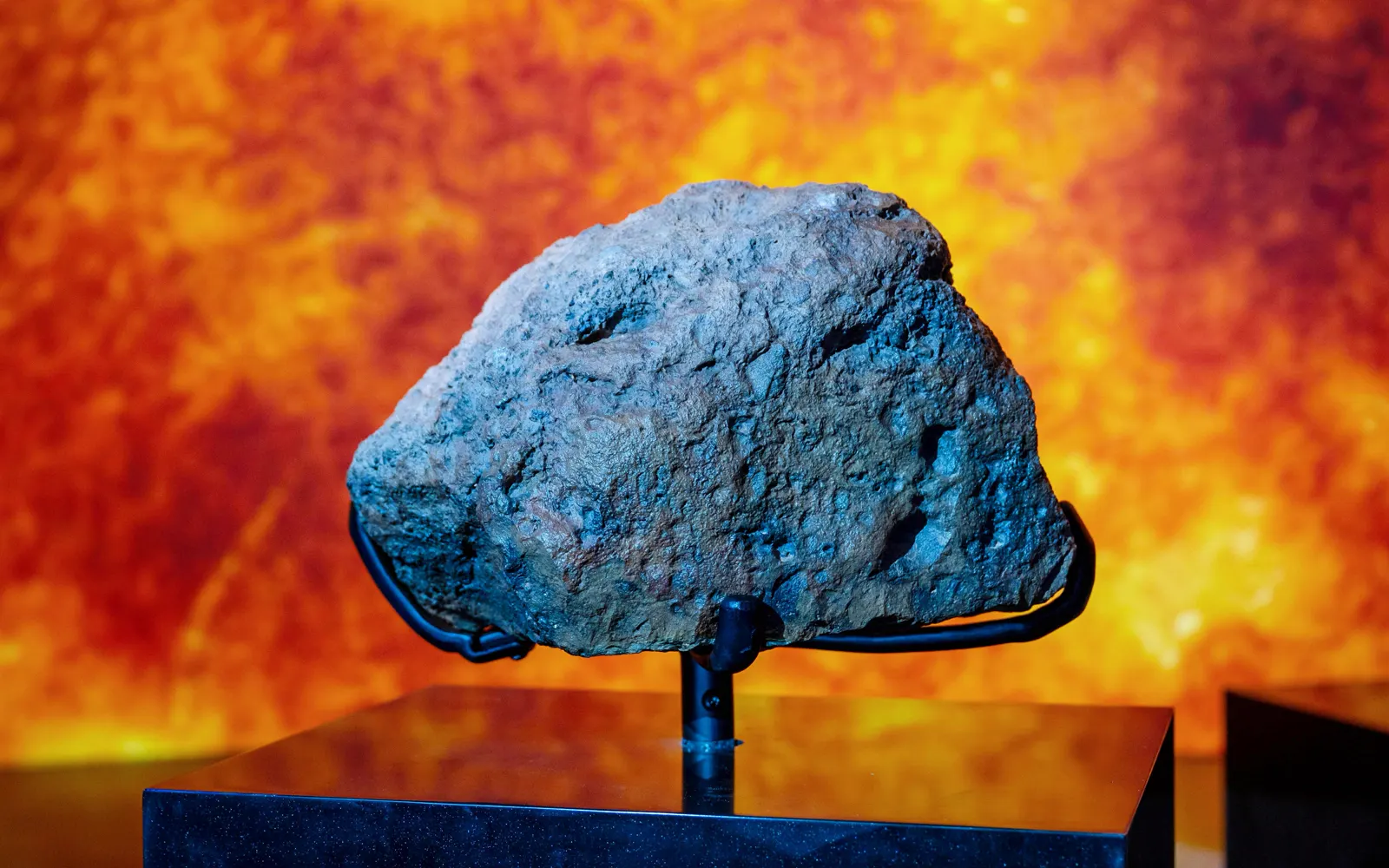
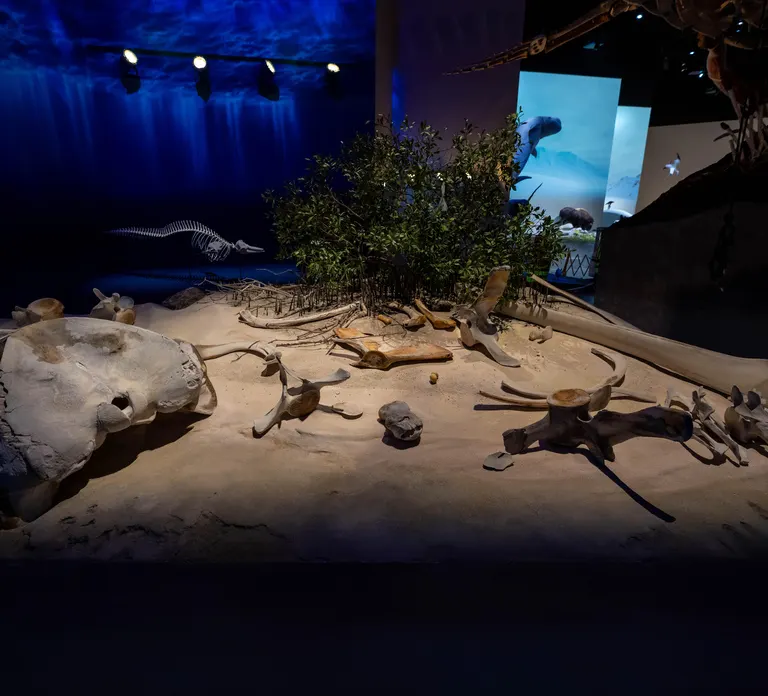
Among the standout exhibits: a T. Rex skeleton named Stan, a 25-metre blue whale, the Murchison meteorite, and the remains of an ancient elephant found in the Emirates. Stan is displayed alongside a second T. Rex, in a battle scene over a Triceratops. One of the skulls bears bite marks from another T. Rex. Also on display is a dodo skeleton, an example of an extinct species, and the skeleton of a Bryde's whale in a mangrove setting, found by local residents at low tide. The museum is also a research centre, with teams in zoology, palaeontology, marine biology and earth sciences.
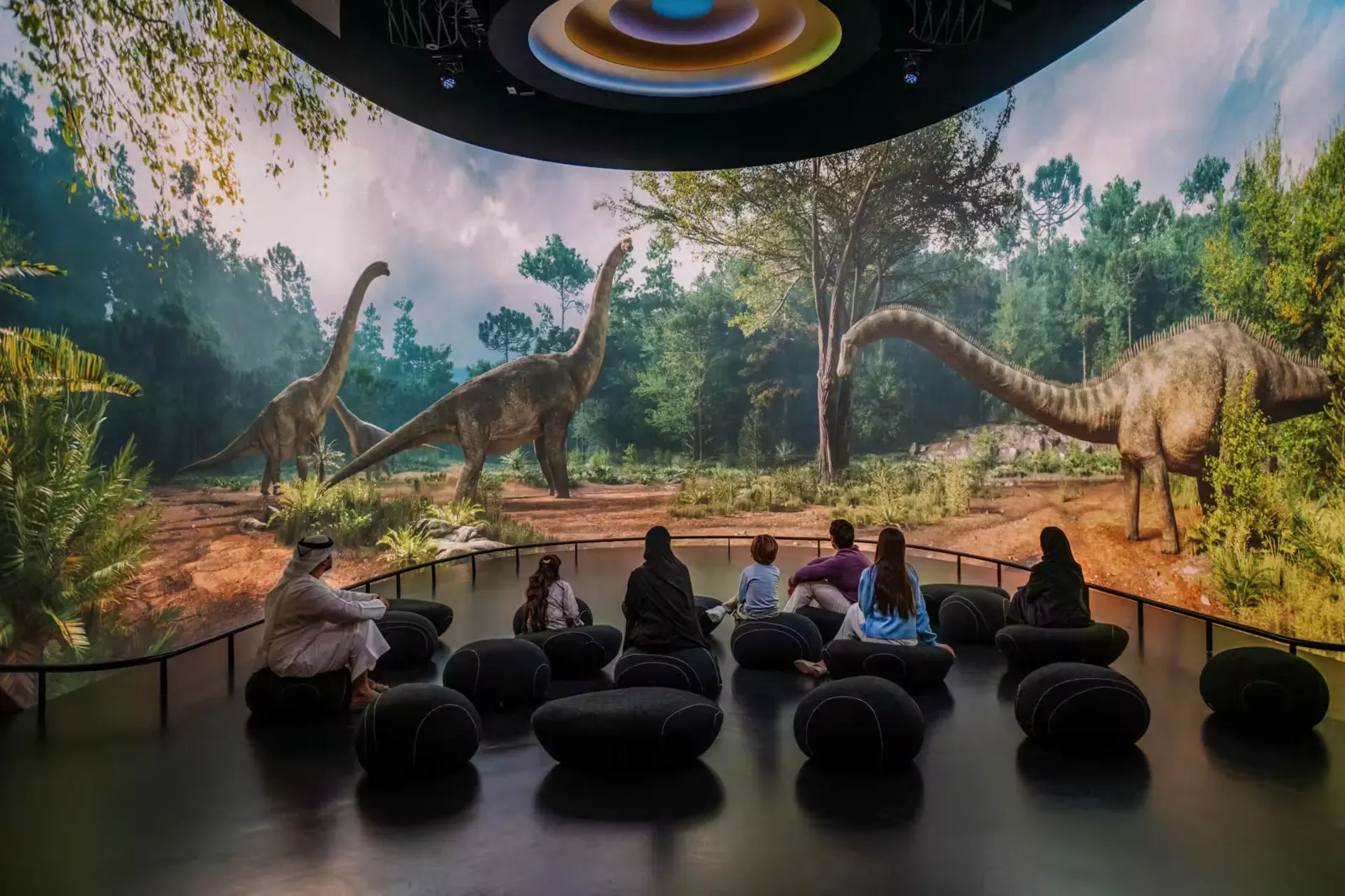
The visit begins in the atrium, where long-necked sauropod skeletons tower above you. From there you move through five permanent galleries: The Story of Earth, The Changing World, The Lost World of Abu Dhabi, Our World and Resilient Planet. Alongside them are smaller galleries, a palaeontology lab, a life sciences lab, a display on the climate of the Arabian Peninsula and more.
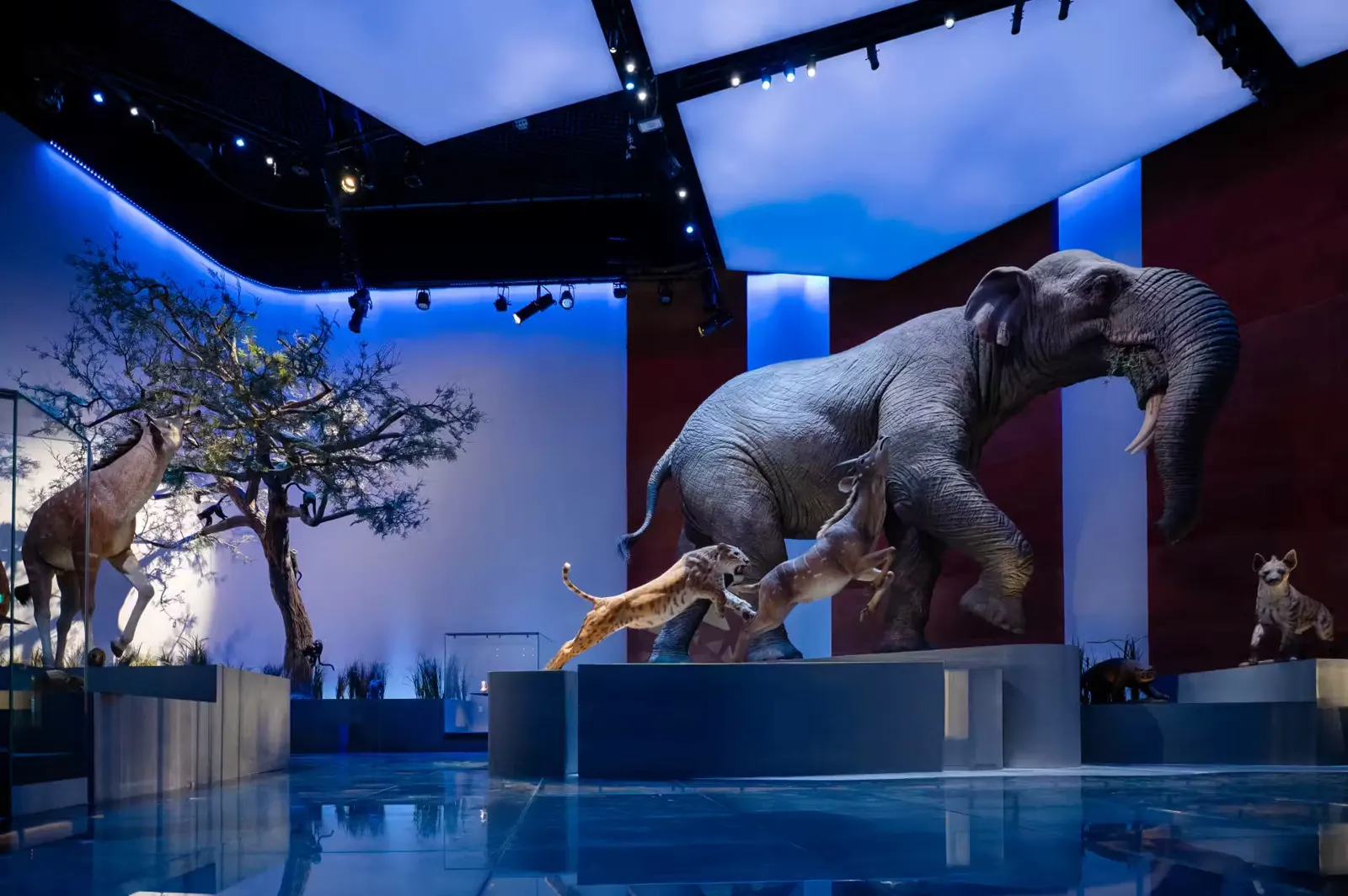
In the first gallery you pass beneath the night sky as it looked on 2 December 1971, the day the Union was founded, and from there move on to the Big Bang. There are meteorites from Mars here, a 650 kg stony-iron meteorite, and a 45.8 kg moon rock that visitors are allowed to touch. Next come the dinosaurs, the great extinction periods, and Abu Dhabi as it was 7 million years ago, when the area was a savanna with four-tusked elephants and sabre-toothed cats.
It's very well suited to families. Children who love dinosaurs can spend hours here. There's a Dino Play area for children up to age 6, and giant water bear figures are scattered throughout the museum, leading children along a search trail. The building itself, inspired by rock formations, is worth a look too.
Tip: most visitors spend two to three hours at the museum. You can combine the Louvre and the Zayed National Museum, in the same district, on the same day. There's also a combined ticket.
The museum's atrium is built so that daylight enters through deep pentagonal and square wells. Besides the five permanent galleries, the building has side galleries, among them Beyond the Horizon and The Human Story. There is also an interactive theatre that takes visitors through time with immersive visuals.
The dinosaur gallery spans about 186 million years, from the Triassic through the Jurassic to the Cretaceous. Besides the battle of the two T. Rex there are other scenes: sauropods stretching their necks towards the treetops, a fish about to strike a turtle, and pterosaurs in the air. Another scene shows two Deinonychus closing in on a Tenontosaurus. The section on extinctions also features the "Great Dying", the mass extinction that took place 252 million years ago.
The 650 kg stony-iron meteorite was previously displayed at NASA's Johnson Space Center in Houston, and under the display lighting its olivine crystals glow like embers. The dinosaur gallery holds one more intriguing detail: the Triceratops's ribcage carries scratches from a tiny mammal that scavenged on the carcass shortly before the asteroid impact, 66 million years ago.
What is included
Included
- Entry to the permanent exhibitions
- Entry to some of the temporary exhibitions and to the atrium
- Wi-Fi
- On the combined tickets: entry to the Louvre or to Zayed National Museum as well
Not included
- Guided tours
- Temporary exhibitions charged separately
- Transfers
- Food and drink
What you will see and do
- Stan: one of the most complete T. Rex skeletons ever found, 67 million years old, staged in a battle scene with a second T. Rex and a Triceratops.
- The blue whale: a real skeleton of a 25-metre female, suspended in an arc beneath the ceiling. A hole had to be opened in the wall to bring the skull in.
- The Murchison meteorite: it contains material older than our solar system.
- A moon rock: a 45.8 kg fragment that visitors are allowed to touch.
- The Lost World of Abu Dhabi: a life-size reconstruction of the Al Dhafra area 7 million years ago, featuring the ancient elephant Stegotetrabelodon emiratus, found in the Emirates.
- Our World: natural ecosystems from around the globe, from the African savanna to the Emirates' desert, coast and mountains, and the deep sea.
- Dino Play: a play area for children up to age 6. Kids can 'feed' a small Spinosaurus and climb a treehouse inside a Diplodocus.
- Rotating exhibitions: at the opening, March of the Triceratops and the Wildlife Photographer of the Year photography exhibition were on show.
- Brass inscriptions in the floor: next to the fossils, their age is shown in millions of years.
- Rods of light falling in blue and orange: this is how the extinction of the dinosaurs is shown in the dinosaur gallery.
- A fossilised trackway from Abu Dhabi's Western Region: it suggests herds moving in family groups.
- A real microscope: it shows a tardigrade in its dried state next to the giant tardigrade figures.
Who it suits
Good for…
- Families with children who love dinosaurs
- Anyone who loves science, space and nature
- Anyone visiting the Cultural District who wants to combine several museums in one day
- Anyone looking for an indoor, air-conditioned activity in summer
- Anyone who loves modern architecture
Less suited to…
- Anyone looking for an attraction with rides and roller coasters
- Anyone with less than an hour. There's a lot to see here
- Anyone looking mainly for Emirati culture and history. The Zayed National Museum suits that better
When to go
The museum is indoors and air-conditioned, so it suits any season and is especially good on hot days. At weekends (Friday to Sunday) the museum stays open later, which makes it possible to fit it into an evening after a visit to the Louvre. Families with children can plan for more than the usual two to three hours, because many of the displays invite you to touch and play.
Getting there
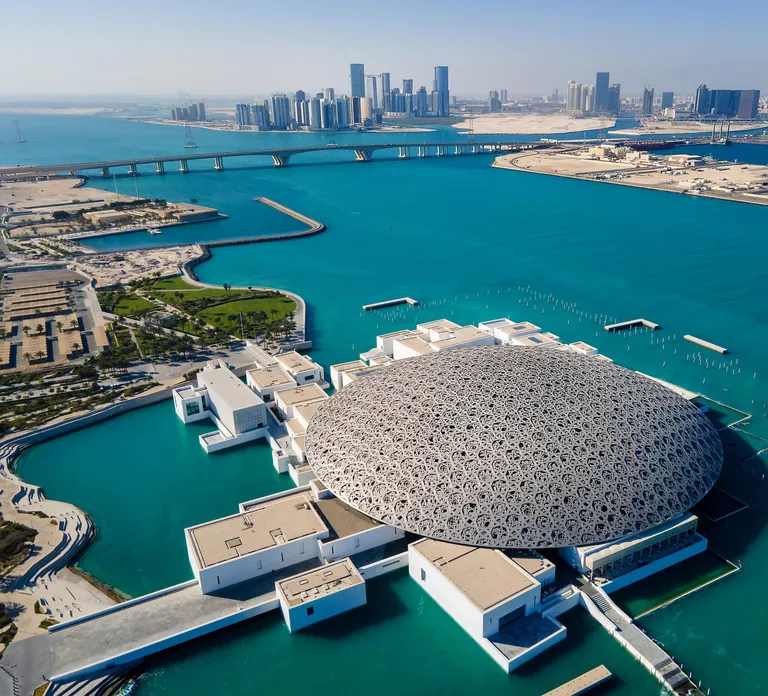
- The museum is in the Cultural District of Saadiyat Island, next to the Louvre Abu Dhabi, teamLab Phenomena and the Zayed National Museum.
- From central Abu Dhabi: about a 15–20 minute drive. A taxi or Careem is the simplest way.
- Parking: there is free parking on site.
- From Dubai: by rental car, taxi or organised transfer.
- The whole district is easy to walk around, and you can go from museum to museum on foot.
Good to know
- Modest dress: shoulders and knees covered.
- There is a security check at the entrance.
- Photography may be restricted in some halls.
- Hours: Monday–Thursday 10:00–18:30 and Friday–Sunday 10:00–20:30. Hours vary by day and season. We'll confirm your last-entry time when you book.
- Accessibility: the museum is built on one level, with lifts and ramps, and is wheelchair accessible.
- The museum has a café, Nayzak, with hot and cold food, and two museum shops.
- Dino Play is for children up to age 6. Older children will enjoy the search trail and the exhibits they're allowed to touch.
- The Louvre and the Zayed National Museum are also in the same district. There is a combined ticket for all three.
- The museum shops sell educational materials, children's books and plush dinosaurs and whales.
- Children under 18 get a free ticket, and so do UAE residents aged 60 and over. The paid ticket is for adults aged 18 and over.
- With the combined ticket with Louvre Abu Dhabi, you visit the second museum within 3 days of the first.
Buy online
Book and pay right here on the site · secure paymentFrequently asked questions
When did the Natural History Museum Abu Dhabi open?
What can you see at the Natural History Museum Abu Dhabi?
Is it suitable for children?
How long does a visit take?
What are the museum's opening hours?
Are there real dinosaurs there?
What's the difference between the Natural History Museum and the Zayed National Museum?
Can it be combined with other museums?
Is there somewhere to eat?
Is the museum wheelchair accessible?
Does the museum also tell the story of the Arabian Peninsula?
Is there anything to see under a microscope?
Keep exploring
More experiences in Abu Dhabi




Where to stay
Recommended hotels in Abu Dhabi



The perfect combination
Also in Dubai





Plan smart
From the magazine



More inspiration