
Central Abu Dhabi · The white fort
Qasr Al Hosn
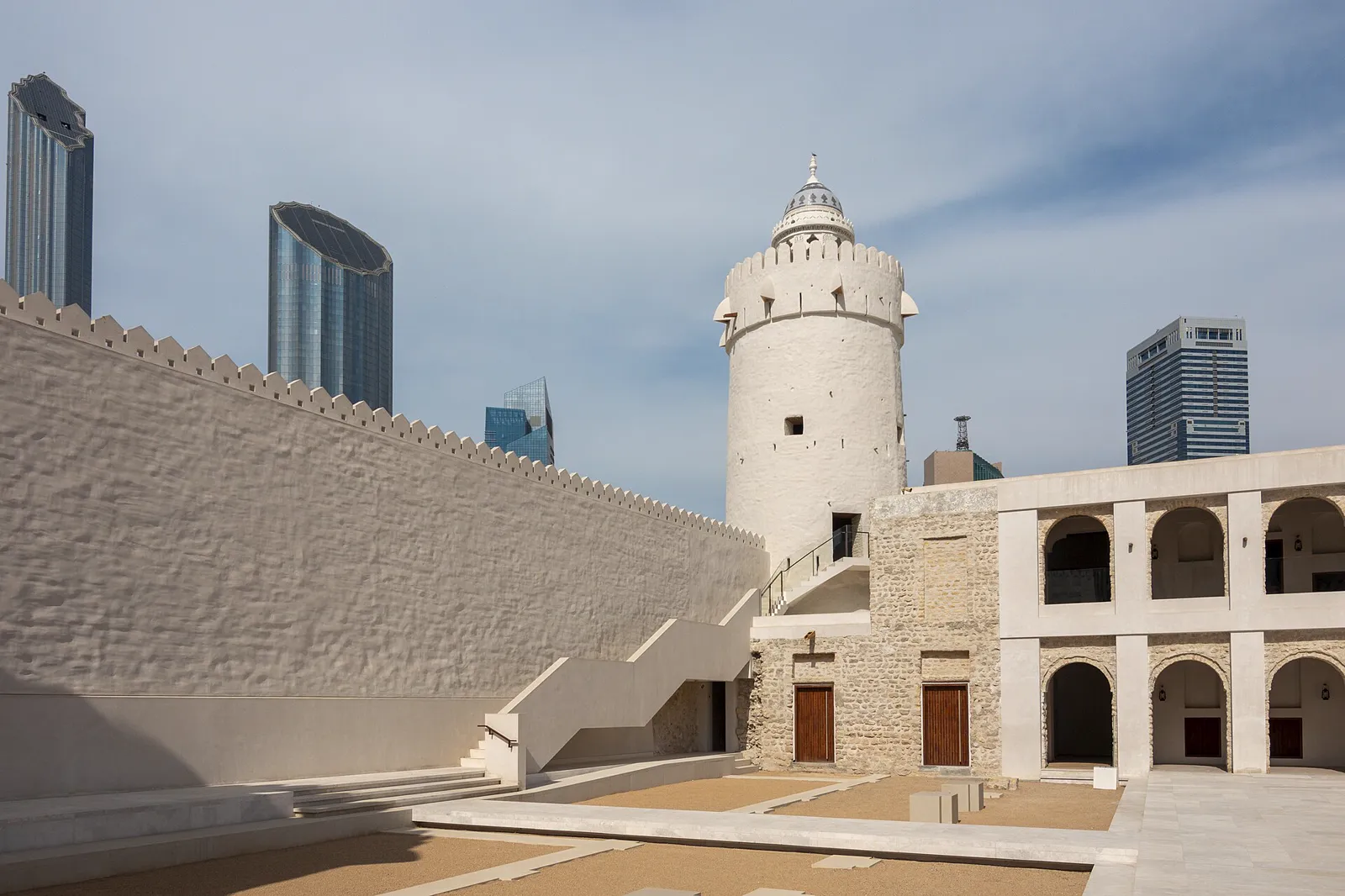
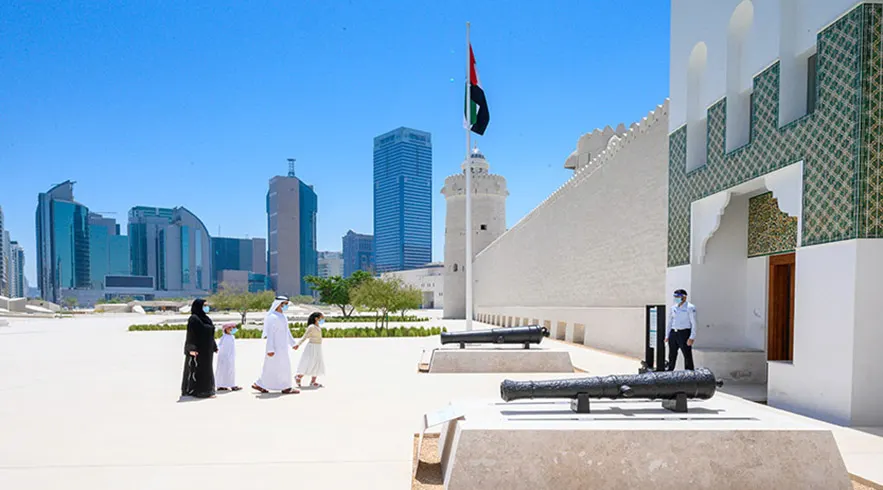
The white fort, the oldest building in Abu Dhabi. An 18th-century watchtower in the middle of the modern city.
Tickets and prices
| Option | Price |
|---|---|
| Skip-the-line entryAlso includes the House of Artisans and the Cultural Foundation | 38 AED per person |
| Entry ticketStandard entry to the fort, Artisans House and Cultural Foundation | 37 AED per person |
- Sat–Thu
- 9:00 AM–8:00 PM
- Friday
- 2:00 PM–8:00 PM
- Also known as
- The White Fort
- Location
- The city centre
Qasr Al Hosn, the "White Fort," is the oldest building still standing in Abu Dhabi. It began as an 18th-century watchtower, became the home of the ruling family, and later the seat of government. Some spellings render it Qasr Al Husn — it's the same fort.
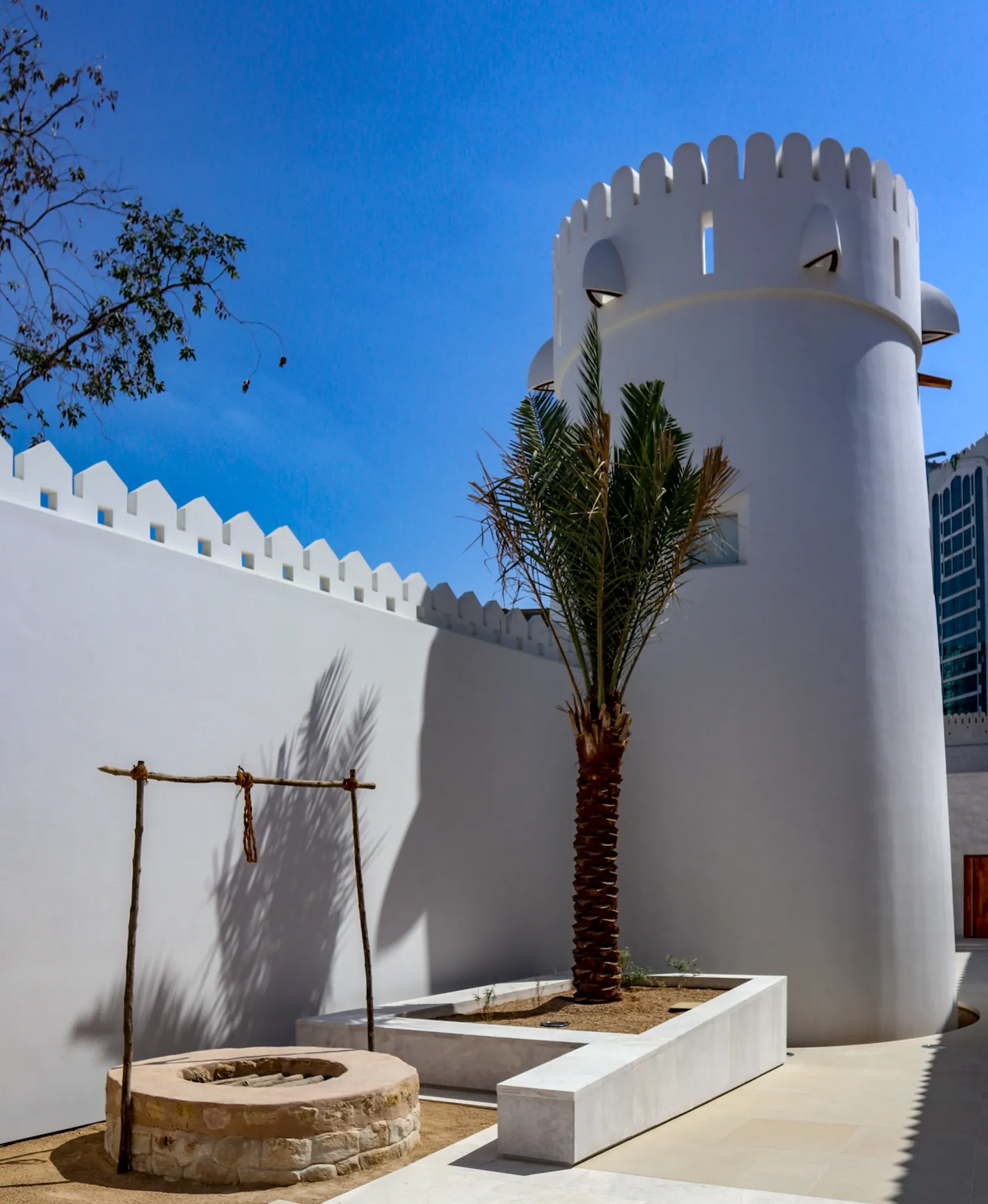
The tower was built from coral stone and sea stone to guard the island's only source of fresh water. The tower is Abu Dhabi's first permanent structure, and the Inner Fort was built around it in 1795. The Outer Palace was added between 1939 and 1945. For nearly two hundred years the fort served as both the home of the Al Nahyan family and the seat of government.
After the founding of the Union in 1971, the fort became a cultural institution. In the 1980s it opened as a documentation and research center, and finally, after more than 11 years of conservation and restoration, it reopened as a museum in December 2018. The conservation work revealed how the original tower was built: blocks of coral stone that divers cut from the sea and left to harden in the sun. The thick walls and high ceilings created airflow that drew a cool breeze through the narrow rooms, and the northeastern tower survived almost unchanged.
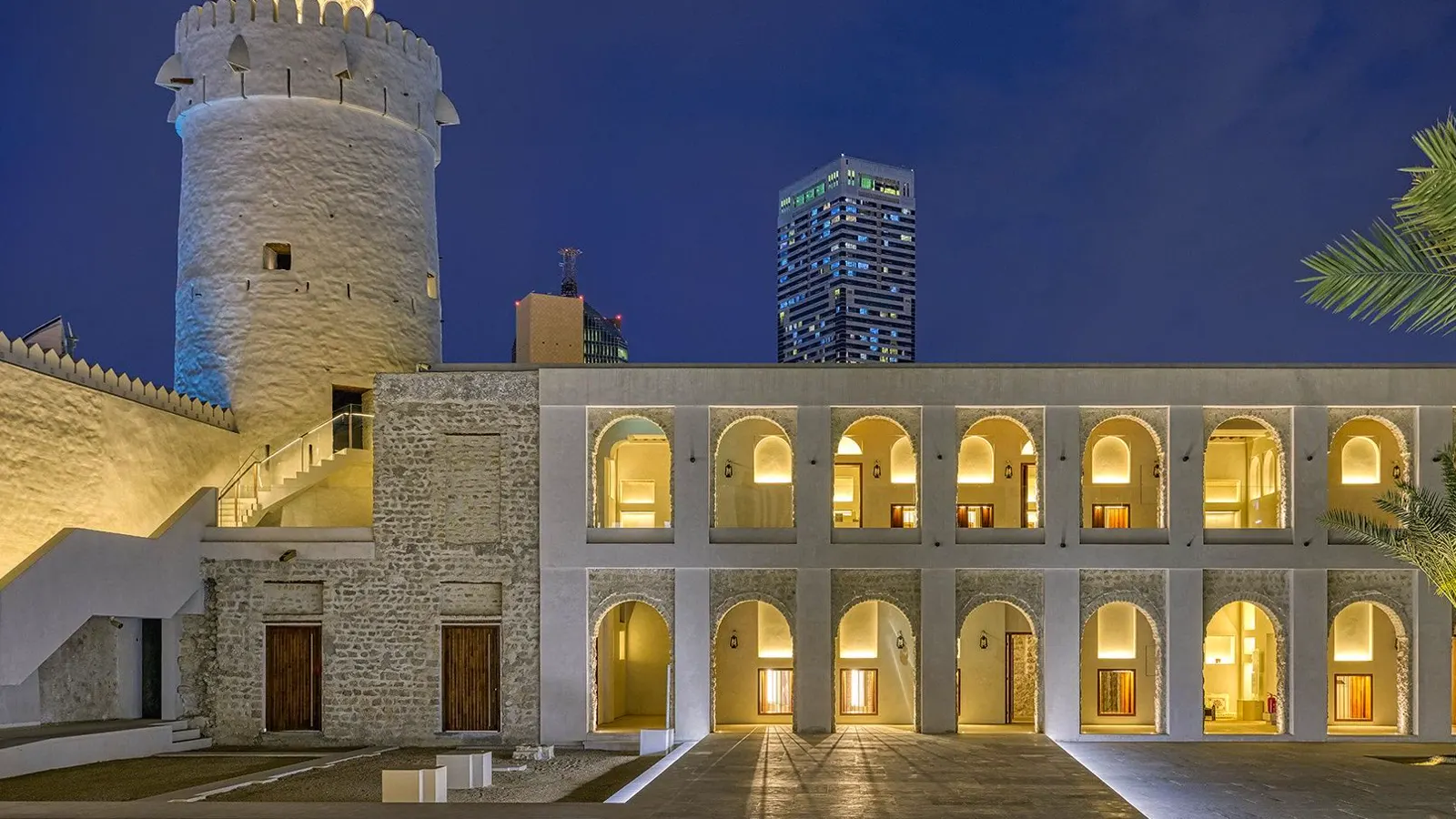
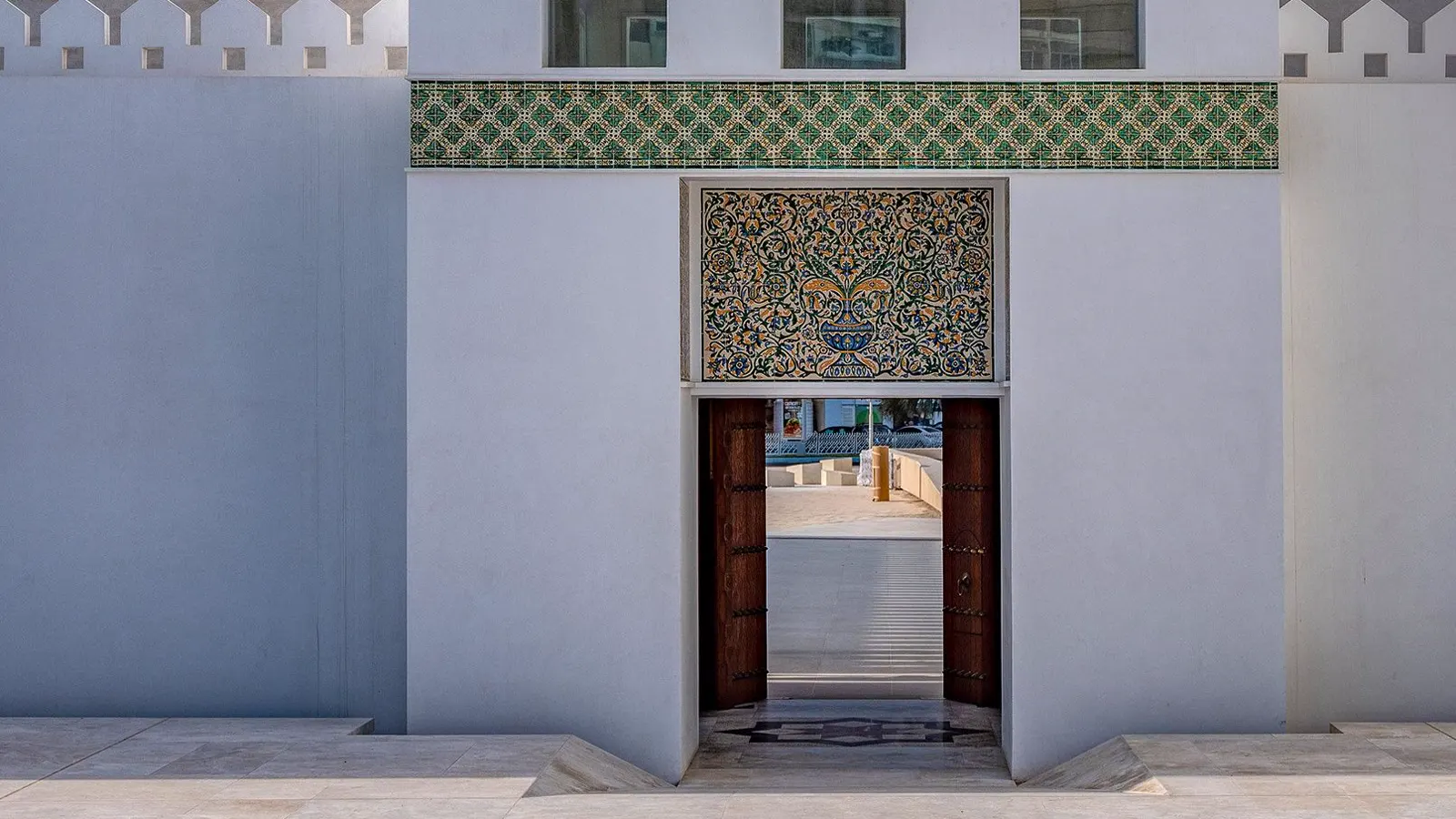
Today it's a museum telling how Abu Dhabi grew from a village of fishermen and pearl divers into a major city. You tour the Inner Fort and the Outer Palace, through the restored rooms and corridors. You'll see walls of stone slabs, wooden beams wrapped in palm-fiber rope, original 1940s mangrove-pole beams, and wind openings that cooled the rooms in summer.
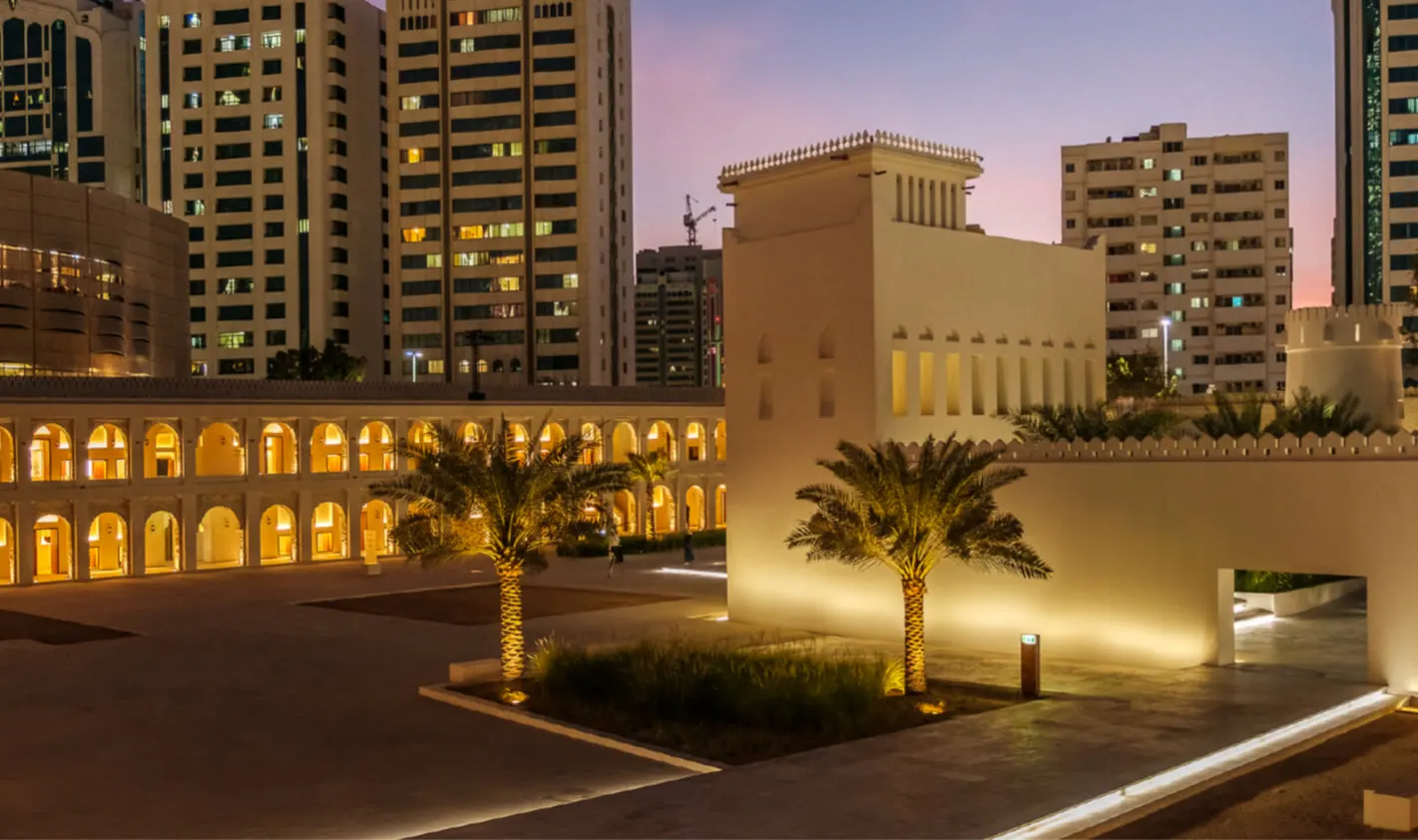
The complex also includes the Artisans' House, which showcases traditional Emirati crafts, and the Cultural Foundation. The Cultural Foundation is an arts center with exhibitions, performances, art classes and a children's library. The complex also houses the building of the Federal National Council.
Local artisans at the Artisans' House work in three crafts: sadu, Bedouin wool weaving recognized by UNESCO in 2011; khoos, palm-leaf weaving; and talli, embroidery with gold and silver thread. At the traditional Bait Al Gahwa coffee house, you can watch every stage of Arabic coffee-making, from roasting to serving with dates.
It suits anyone who wants to see the city's historic side, and it's easy to combine with a city tour. The contrast between the white fort and the glass towers around it is part of the experience.
Inside the fort, the Inner Fort exhibition tells the story of the settlement of Abu Dhabi island and everyday life in the fort. The Outer Palace was built in the 1940s by Sheikh Shakhbut bin Sultan Al Nahyan. Its rooms tell the stories of the people who lived there, including the personal quarters of Sheikh Shakhbut, and films, interactive displays and oral histories bring the stories to life, together with original artefacts from the past.
What is included
Included
- Entry to the fort, without queueing
- Entry to the House of Artisans and the Cultural Foundation
Not included
- Workshops and special events
- Transfers
- Food and drink
What you will see and do
- The Watchtower: The oldest structure on the site, built to guard the island's freshwater well.
- The Inner Fort: Built in 1795, telling the story of the Bani Yas tribe and the Al Nahyan family.
- The Outer Palace: A wing from the 1940s, with corridors, a restored courtyard and rooms that show how people built here against the heat.
- The Artisans' House: Sadu, khoos and talli — three traditional crafts you can watch being made.
- Bait Al Gahwa: A demonstration of Arabic coffee-making, from roasting and grinding to serving.
- The Cultural Foundation: An arts center with exhibitions, a theater and a children's library, right next to the fort.
- Al Hosn Festival: an annual festival early in the year, with traditional markets, kids' activities and art exhibitions. It has run since 2013, marking the site considered the birthplace of Abu Dhabi.
- Traditional construction: Mangrove-pole beams, coral-stone walls and wind openings, showing how people lived here before air conditioning. The mangrove beams limited room widths to about 3 meters, and only the 1940s extension brought wider rooms.
Who it suits
Good for…
- Anyone who wants to get to know Abu Dhabi's history
- Anyone who loves traditional crafts and local culture
- Anyone touring downtown who wants a historic stop along the way
- Families: the on-site Cultural Foundation includes a children's library
Less suited to…
- Anyone looking for a big museum full of exhibits — this is mainly about the building itself and its story
- Anyone looking for an attraction with rides or active activities
- Anyone with only one day in Abu Dhabi who wants to see the major sights — better to start with the Grand Mosque and the Louvre
When to go
The site is open Saturday to Thursday 9:00–20:00, and on Friday 14:00–20:00. The fort's rooms are indoors, but part of the visit passes through the courtyards and the open ground around them, so in the hot months it is better to come in the morning or towards evening. If you want to catch the annual festival, ask us for the dates at the start of the year.
Getting there
- The complex sits in downtown Abu Dhabi, on Sheikh Rashid Bin Saeed Street, between Zayed the First Street, Khaled Bin Waleed Street and Hamdan Bin Mohammed Street.
- The Etisalat headquarters and the World Trade Centre sit nearby, which helps with orientation.
- A taxi or Careem is the easy way to get there from anywhere in the city.
- From Dubai: by rental car, taxi, or an organized day tour to Abu Dhabi.
Good to know
- Saturday–Thursday 9:00–20:00, Friday 14:00–20:00.
- Wear modest, comfortable clothing.
- Arrive about a quarter hour before your chosen time, with your voucher and ID.
- The complex sits downtown, so it's easy to combine with a city tour.
- A guided virtual tour is also available, for anyone who can't make it in person.
- The area has shaded seating and mangrove gardens, good for a break between visiting the fort and the Cultural Foundation.
- The fort is open all year round, with a calendar of traditional performances, demonstrations and workshops, including the Al Ayyala performance, "a performance of valour".
Buy online
Book and pay right here on the site · secure paymentFrequently asked questions
What is Qasr Al Hosn?
What are the opening hours?
What else is in the complex?
When was the fort built?
What was Qasr Al Hosn before it became a museum?
What is Al Hosn Festival?
Is Qasr Al Hosn good for kids?
Who expanded the fort over the years?
Keep exploring
More experiences in Abu Dhabi







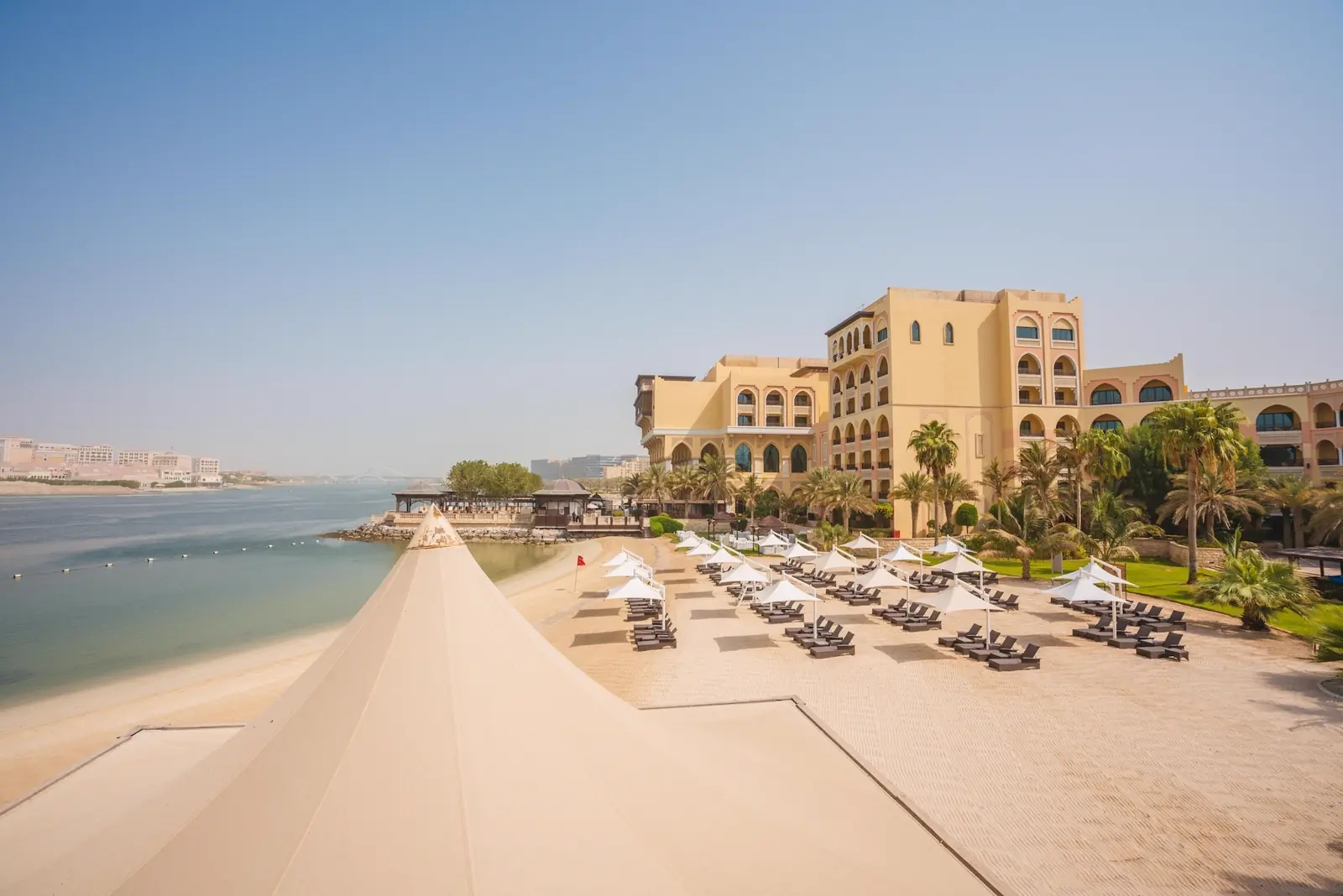
Where to stay
Recommended hotels in Abu Dhabi
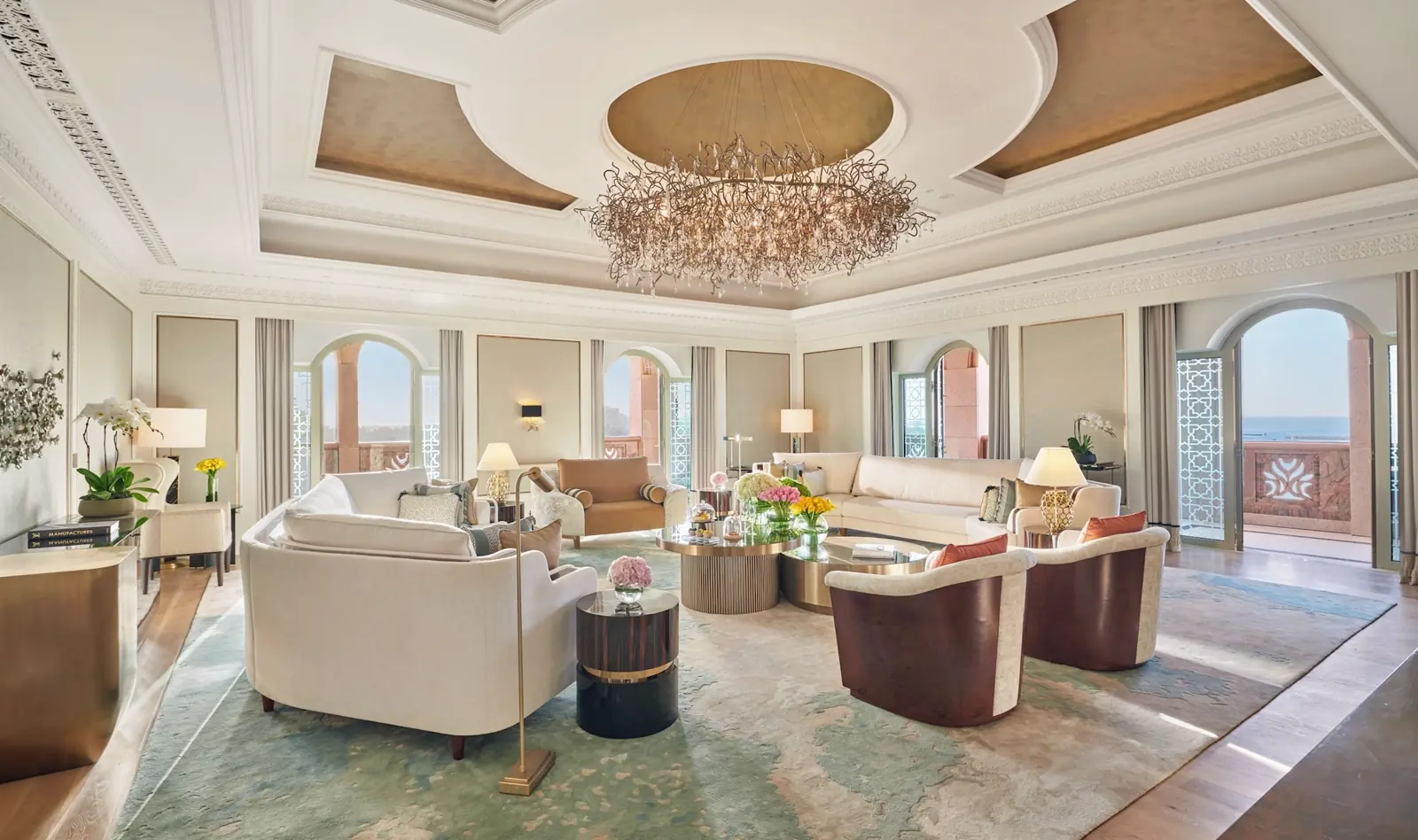

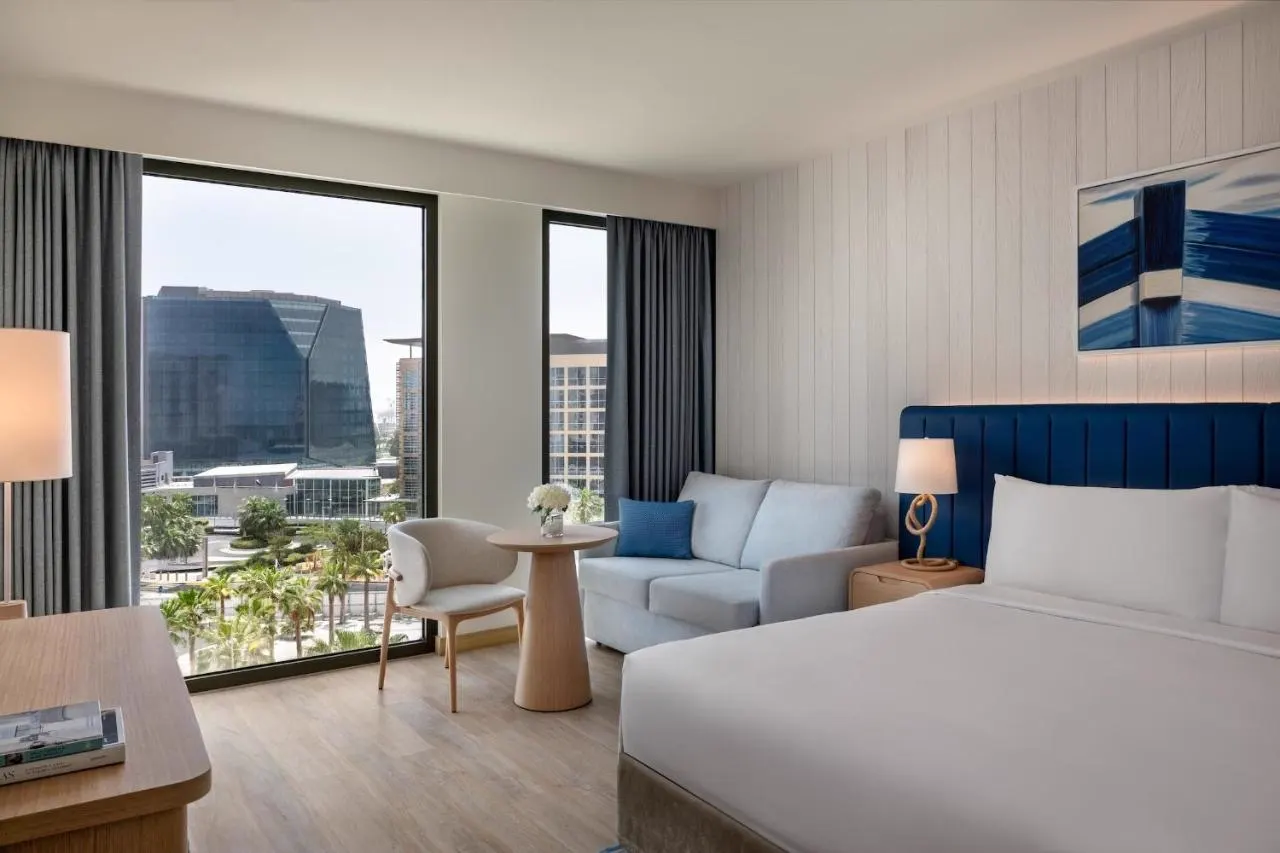



The perfect combination
Also in Dubai







Plan smart
From the magazine




More inspiration