

Ras Al Khaimah · Half day to full day
Ras Al Khaimah Tour: Heritage, Museum and Souks
A private tour with a driver-guide taking in the abandoned pearling village of Al Jazirah Al Hamra, the national museum in the rulers' fort, the old souk and the fish market. From Ras Al Khaimah, or as a full day from Dubai.
- Type
- A private tour with a driver-guide
- The fort
- The rulers' residence until 1964
- Jazirat Al Hamra
- Abandoned in 1968–1971
- Pick-up
- From your hotel, including from Dubai
A tour of Ras Al Khaimah reveals the historic side of the northern emirate: a village of pearl divers left standing almost as it was abandoned, a fort that was once home to the rulers, and souks where dates, spices and fish are still sold. It's a private tour in an air-conditioned car with an English-speaking driver-guide, including hotel pickup and a flexible route.
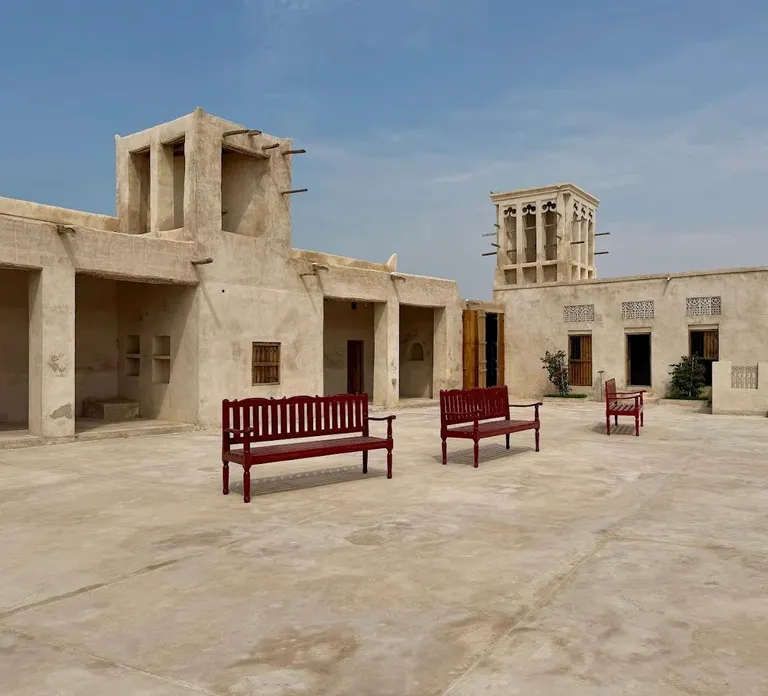
The most striking stop is Jazirat Al Hamra. This was a village of pearl divers, with coral-stone houses, watchtowers, a fort, a mosque, a souk and large courtyard houses. After the discovery of oil, residents left the village between 1968 and 1971, and many moved to Abu Dhabi. It's the only historic pearling village left standing on the entire Gulf. The others were demolished.
The village houses were built from local materials: coral blocks, fossilized beach stone, mangrove wood beams, palm trunks and layers of shells for drainage. There's also a large courtyard house that belonged to a wealthy pearl merchant. The village is an open-air museum with no staff, and some structures are in ruins, so you walk through it carefully.
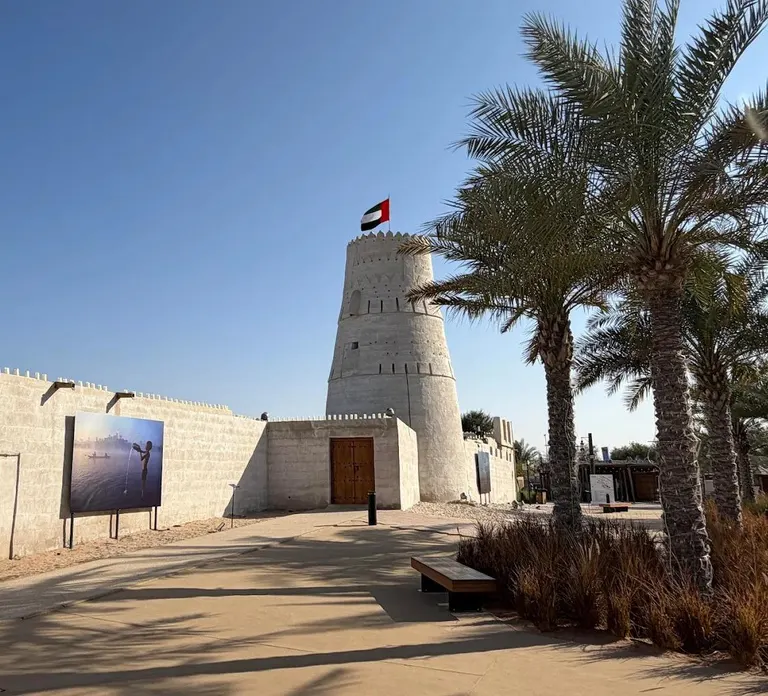
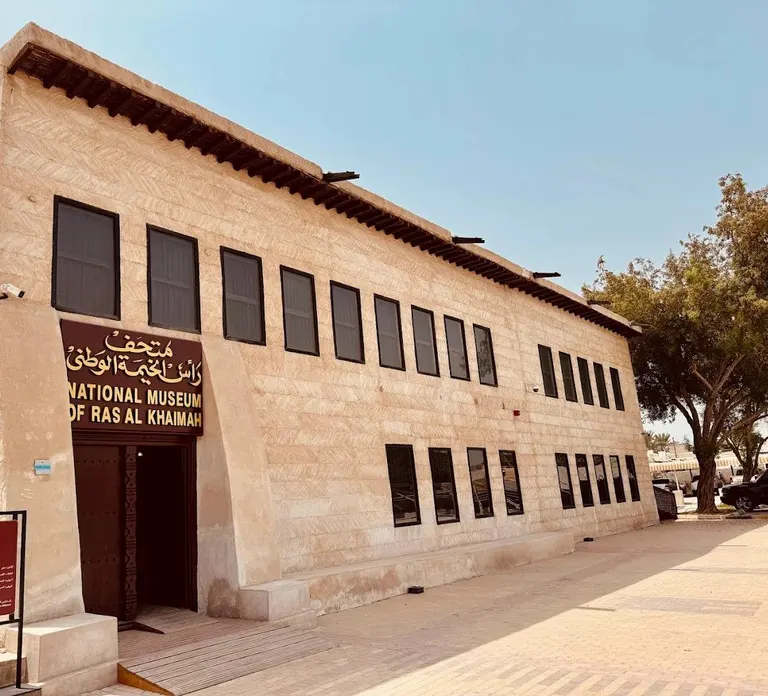
The Ras Al Khaimah National Museum is housed in the fort that was the main residence of the ruling Al Qasimi family. The fort's foundations date to 1809–1819, and most of the construction was completed after 1820. The family left it in 1964 for a new palace, and the fort later served as police headquarters and a prison. Between 1984 and 1987 it became a museum.
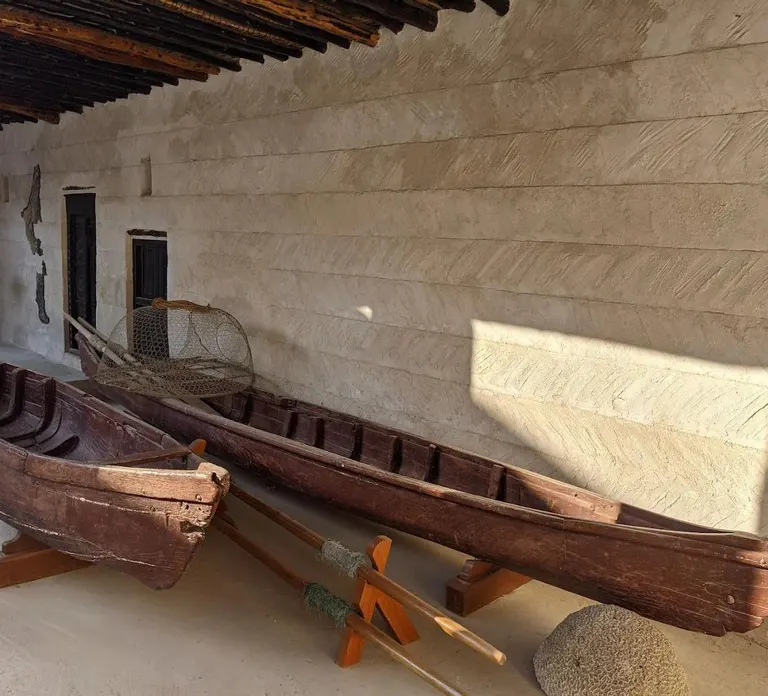
The museum has halls of archaeology, the ancient city of Julfar, traditional weapons and ethnography, with exhibits on pearl diving and Bedouin culture. On the private tour you also stop at the old souk and the fish market, where spices, dates, perfumes, handicrafts and souvenirs are sold.
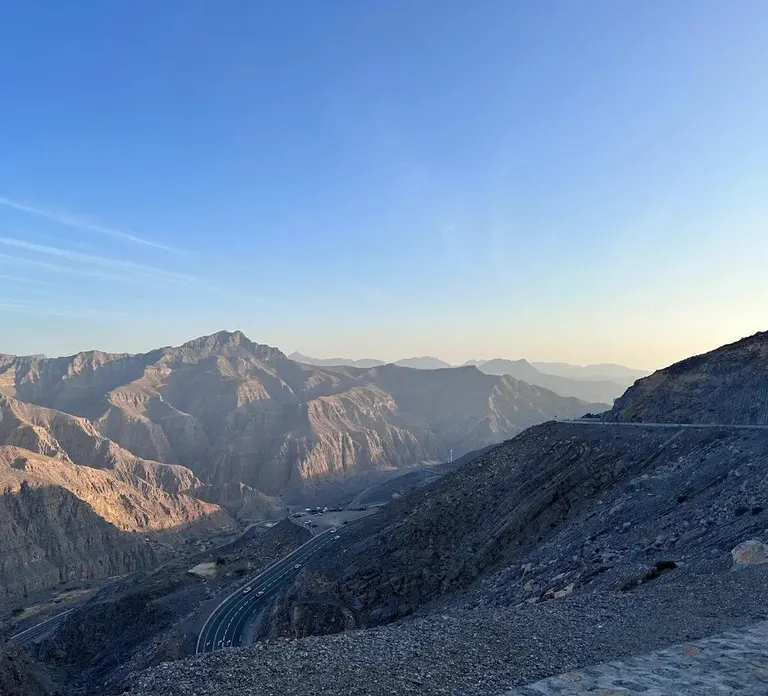
On the full-day tour from Dubai, you head north to Ras Al Khaimah, pass through the heritage stops, and add a scenic drive through Jebel Jais, the country's highest peak. On the shopping tour you move between the old souk, the fish market and the date souk and modern malls, with free time for shopping.
The tours suit anyone interested in history and heritage, photographers, and families who want a quiet day with a car and guide just for them. The old houses, watchtowers and alleys of the ghost village also make a beautiful photography backdrop.
The name Al Jazirah Al Hamra means "Red Island". The village was once a tidal island, divided into two quarters: Umm Awaimir in the north and Manakh in the south. Around 1900 it had about 500 houses, home to the Zaab tribe. When the pearling industry collapsed in the 1920s, the village lost its livelihood. One house stands out for its wind tower, a passive ventilation and cooling system. The village mosque appears on a British map from the 1820s, and archaeologists found it later. It had 20 domes.
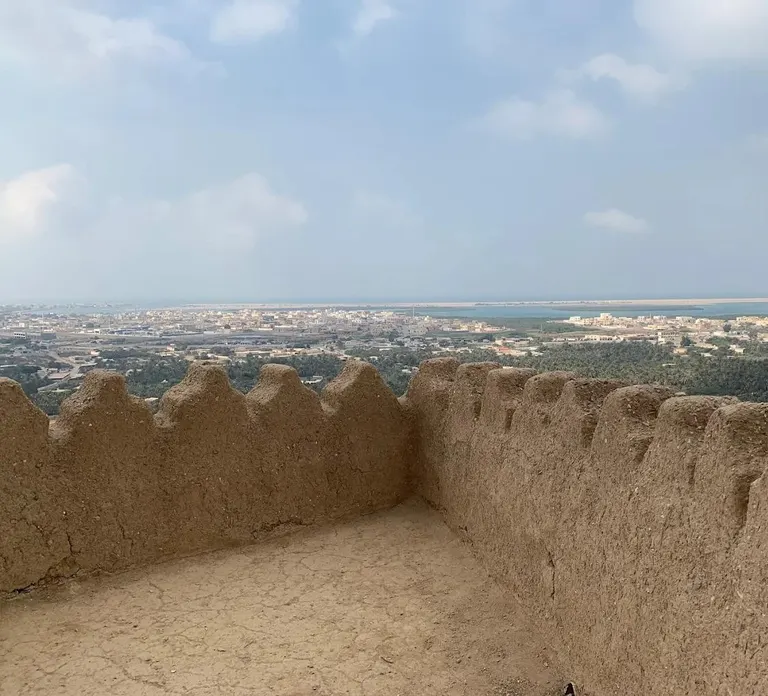
The National Museum in the fort also has a natural history exhibition, with shells and geology, and a gallery on the Al Qasimi family, with a collection of weapons, silver and costume and a chapter on the British attack of 1820. The Madbasa gallery opened in November 2025, and the Julfar gallery has been renewed. The fort was destroyed at least twice, by the Portuguese in 1621 and by the British in 1820. Two-storey buildings stood around the central courtyard, and in the courtyard a wind tower cooled the rooms. Its openings were blocked with beams and matting on cooler days. The large rectangular tower in the fort is a replica of the original defence tower. The original fort had one large tower and three small round towers.
What is included
Included
- A private air-conditioned vehicle
- An English-speaking driver-guide
- Hotel pick-up and drop-off
- Taxes and parking
- Bottled water
- Photo stops at the main sights
Not included
- Entry fees to the sites and the museum
- Meals
- Personal expenses and shopping
- Tips, on the shopping tour
What you will see and do
- Jazirat Al Hamra: the only historic pearling village still standing on the Gulf.
- Coral-stone houses, watchtowers, a fort and a mosque in the abandoned village.
- The National Museum, in the fort that was home to the rulers until 1964.
- Halls of archaeology, Julfar, traditional weapons and pearl diving.
- The old souk and fish market, with spices, dates and handicrafts.
- A scenic drive through Jebel Jais, on the full-day tour from Dubai.
- A private air-conditioned car and driver-guide, with a flexible route.
Who it suits
Good for…
- Anyone interested in history, heritage and life before oil
- Photographers, thanks to the ghost village
- Families and couples who want a car and guide just for them
- Anyone staying in Ras Al Khaimah, or visiting from Dubai for the day
Less suited to…
- Anyone looking for water or extreme activities
- Anyone who prefers exploring alone without a guide
- Anyone who has difficulty walking among ruined structures
When to go
Most of the stops on the tour are outdoors, above all Al Jazirah Al Hamra, so the cooler months are more comfortable. In summer it is better to start early in the morning. For photography in the abandoned village, the finest light is in the morning and in the late afternoon.
Getting there
- The private tour includes pickup and drop-off from your hotel in Ras Al Khaimah.
- The full-day tour includes pickup and drop-off from your hotel in Dubai.
- Travel is in a private air-conditioned car. Tolls and parking are included.
- We'll confirm the exact pickup time in writing when you book.
Good to know
- This is a private tour: the car and guide are just for you, and the route is flexible.
- Entry fees to the museum and sites are not included.
- There's no staff at Jazirat Al Hamra, and some structures are in ruins. Walk carefully and don't enter unsafe buildings.
- Comfortable shoes, a hat, sunscreen and a camera are recommended.
- The scenic drive through Jebel Jais depends on road conditions, which sometimes close. We'll confirm it when you book.
- We'll coordinate the exact route with you in writing when you book.
- The National Museum of Ras Al Khaimah is open Tuesday to Sunday, 8:00–18:00 (last entry 17:30), and closed on Mondays. A tour on a Monday does not include entry to the museum.
Frequently asked questions
What do you see on a Ras Al Khaimah tour?
What is the ghost village in Ras Al Khaimah?
Can I take a Ras Al Khaimah tour from Dubai?
Is museum entry included?
Is the tour suitable for children?
What was the National Museum's fort used for?
Keep exploring
More experiences in the Northern Emirates






The perfect combination
Also in Abu Dhabi




Plan smart
From the magazine



More inspiration