

JBR and the desert · 10 minutes to half a day
Horse and Camel Riding in Dubai
A short camel ride on JBR beach, horse riding in the dunes at sunrise or sunset, or a camel trek in the desert with a Bedouin breakfast.
Tickets and prices
| Option | Price |
|---|---|
| Camel ride on JBR beachA guided camel ride with skyline views | 188 AED per person |
| Horse riding in the desertA guided horse ride with a handler, safety briefing and helmet | 186 AED per person |
| Camel trek with breakfast at Al Marmoom | Not available right now |
| Private tour with Bedouin breakfastThe same camel trek as a private tour, with Bedouin breakfast | 2687 AED per group |
- Camel on the beach
- About 10 minutes, JBR
- Horses
- 30 minutes to an hour, in the desert
- Camel trek
- Half a day with breakfast
- Time
- Sunrise or sunset
What horse and camel riding in Dubai looks like
You arrive at the riding spot you chose.
You get a safety briefing and mount the animal with the help of the handler or guide.
The ride itself depends on the option you chose.
At the end you dismount and carry on with your day.
Horse and camel riding in Dubai connects two sides of the city: the urban coast and the desert. You can ride a camel for a few minutes on JBR beach, facing the giant wheel, or head into the desert for an hour on an Arabian horse or for a camel trek that fills a whole morning. Camels and horses run deep in Emirati heritage, and the experience suits anyone, even someone who has never ridden.
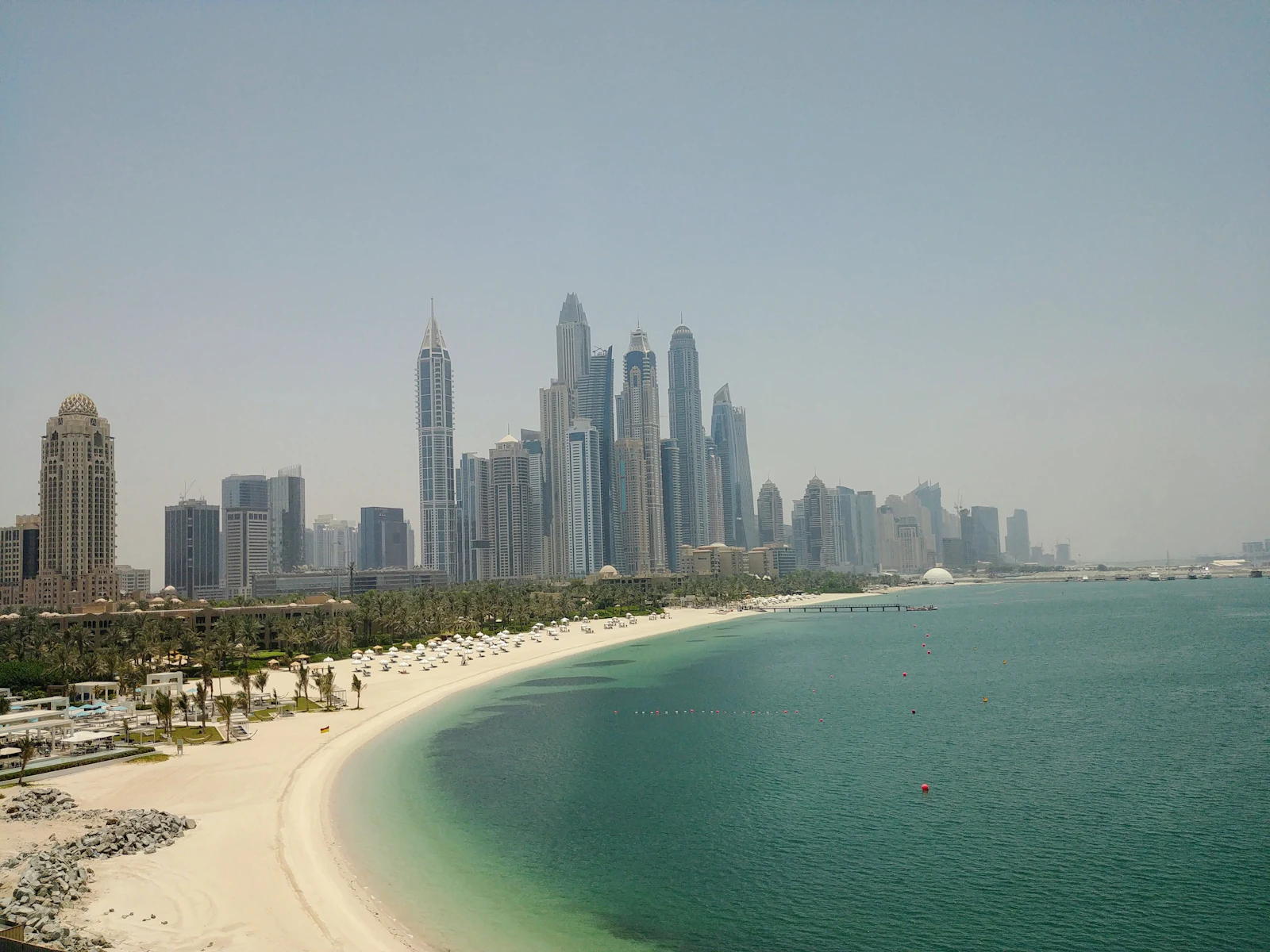
The camel ride on JBR beach is the shortest and easiest of them all. You arrive at the beach, wait in a shaded area until the camel is ready, and the handlers help you up. Then you walk for about ten minutes along the shore, with the handler leading the camel, and you see the Dubai Marina towers, the giant wheel on Bluewaters Island and the Palm. It is a particularly good experience for children.
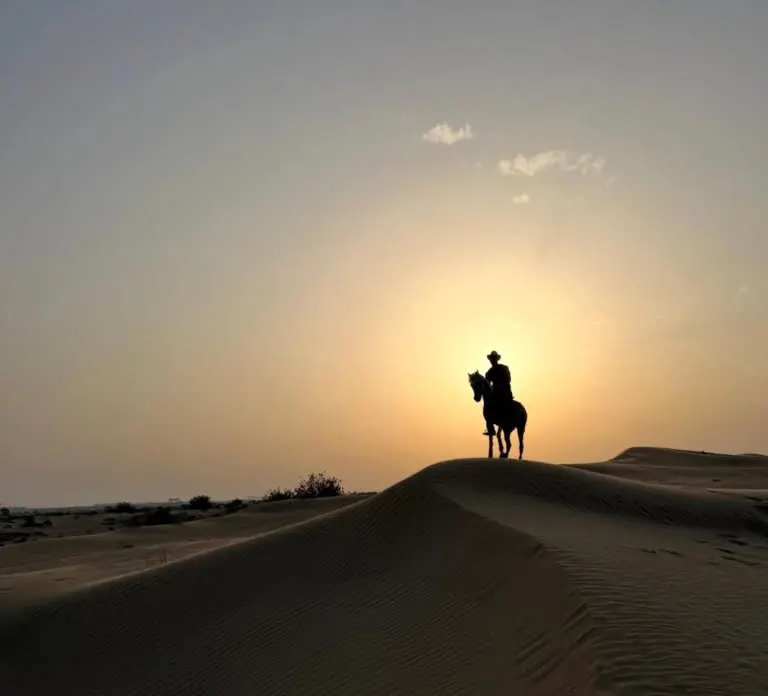
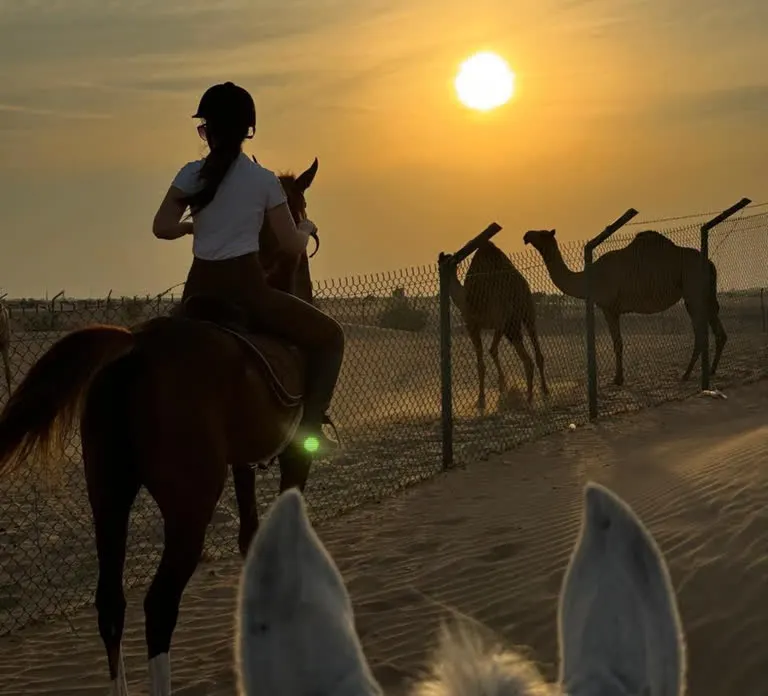
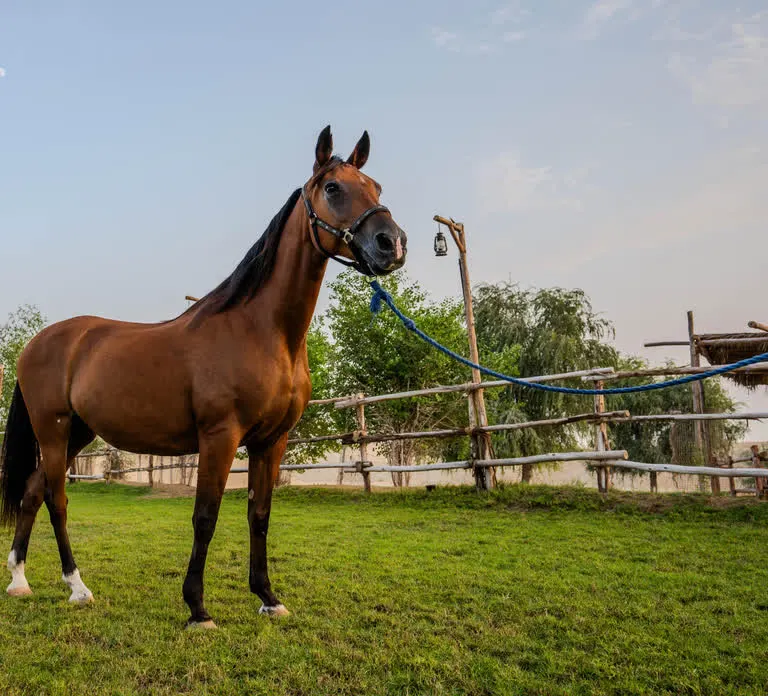
Horse riding in the desert takes place at riding clubs on the edge of the city, in the Al Marmoom area and in other desert areas. You ride trained horses, with a certified guide, on a route between the dunes. There are group rides and private rides, and the guide matches the horse and the pace to your level. At some clubs you get Arabic coffee and dates after the ride.
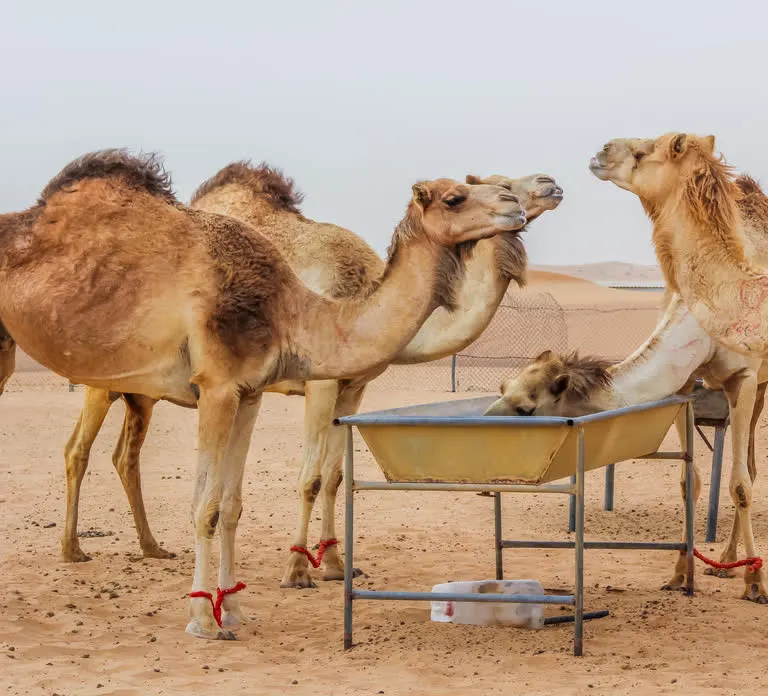
The camel trek takes half a day. You are picked up from your hotel and driven to the Al Marmoom reserve, where you ride in a camel caravan for about 45 minutes among the dunes. Then you reach a Bedouin village, eat a Bedouin breakfast, watch Arabic coffee being made, and can have your photo taken with a falcon and try on traditional dress.
Al Marmoom is a desert area outside the city. It is also home to the largest and best-equipped camel racing track in the emirate, about half an hour's drive from the city centre, next to the Al Marmoom heritage village and the Al Lisaili area. Camel races are held in the cooler months of the year, mostly in the morning, and it is worth checking the current race schedule before you go.
Dubai has several more ways to ride horses: a full-moon night ride among the ghaf trees in Mushrif Park, riding between the lakes and on the mountain slopes of Hatta, and stable tours at the Meydan racecourse. The Dubai Desert Conservation Reserve also offers camel treks and horse riding among the dunes.
Tip: for horse riding in the desert choose sunrise or sunset. The light is beautiful, and the heat is more bearable.
Camels are part of a living heritage in the Emirates, not only an attraction. In 2020 the camel racing of the United Arab Emirates and Oman was added to UNESCO's Representative List of the Intangible Cultural Heritage of Humanity. Camel racing is a fundamental part of the nomadic lifestyle and a source of inspiration for poetry and songs.
Camels are chosen by type, origin and age, given a special diet and trained in groups on the track. The races are held on specially designed fields, under the supervision of specialised community committees.
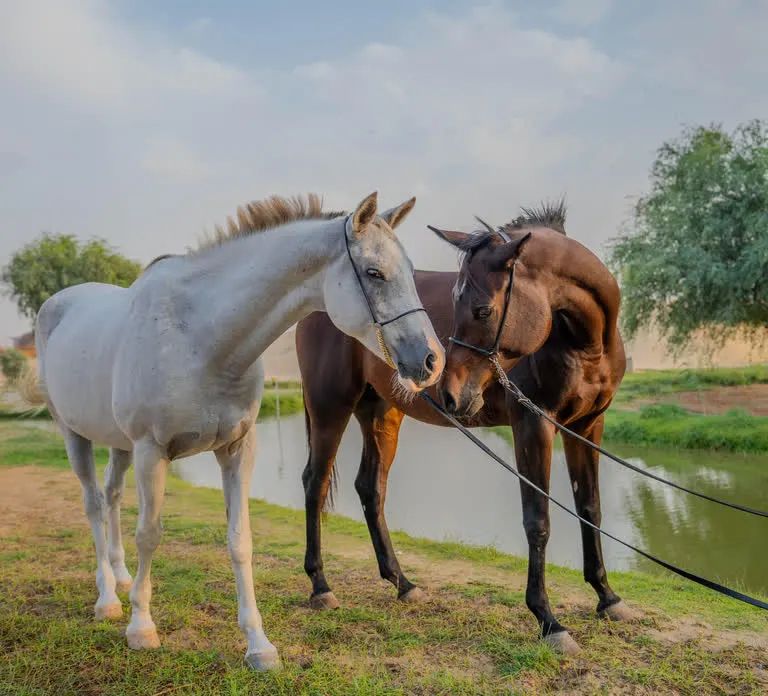
The Arabian horse is also tied to the Bedouin world. Over the centuries the horses were selected for breeding and survived thanks to their hardiness. The mares lived close to people, and were often kept inside the family tent, so the horses were also bred for a gentle nature, a quality that is still valued.
Dubai also has the Al Marmoom Desert Conservation Reserve. It lies in the desert area of Saih Al Salam, is classified as a protected area, and is regarded as one of the first unfenced desert sanctuaries in the country open to the public for sustainable recreation. The wild animals that live in it include the Arabian oryx, the sand gazelle (reem) and the Arabian gazelle.
What is included
Included
- A guided ride according to the ticket
- A handler or qualified instructor
- Safety briefing
- A helmet for horse riding
- Water, and at some clubs Arabic coffee and dates
- Pick-up and drop-off, a Bedouin breakfast and a photo with a falcon, on the camel trek
Not included
- Transfer, on the beach camel ride and on most horse rides
- Professional photographs
- Riding boots
- Tips
What you will see and do
- A camel on JBR beach: about 10 minutes facing the giant wheel and the Marina.
- An Arabian horse in the dunes: a guided ride at sunrise or at sunset.
- A group ride or a private one: matched to your level and your pace.
- A camel caravan at Al Marmoom: about 45 minutes among the dunes.
- A Bedouin breakfast: in a desert village, on the camel trek.
- Arabic coffee and dates: after the ride, at some of the clubs.
- A photo with a falcon and traditional dress: on the camel trek.
- A living heritage: camel racing in the Emirates, on UNESCO's heritage list since 2020.
- The Arabian horse: a breed selected over the years for hardiness and a gentle nature.
- Al Marmoom reserve: a protected area open to the public, with oryx and gazelles.
Who it suits
Good for…
- Families with children: the camel ride on the beach suits little ones too.
- Anyone who has never ridden: the guides match the horse to your level.
- Experienced riders, on a private desert ride.
- Anyone who wants a taste of Bedouin heritage.
Less suited to…
- Anyone after jeep safaris and fast dune driving.
- Children under 10 for horse riding, at most clubs.
- Anyone who does not like early starts: the desert rides begin at sunrise.
When to go
The best time for horse and camel riding in Dubai is October to April, when the heat is more comfortable. In the desert people ride at sunrise or sunset, not in the middle of the day. The camel on JBR beach can be fitted into the afternoon, with sunset in front of the big wheel. Anyone who also wants to see camel racing at Al Marmoom needs to come in season, October to April, on a weekend morning.
Getting there
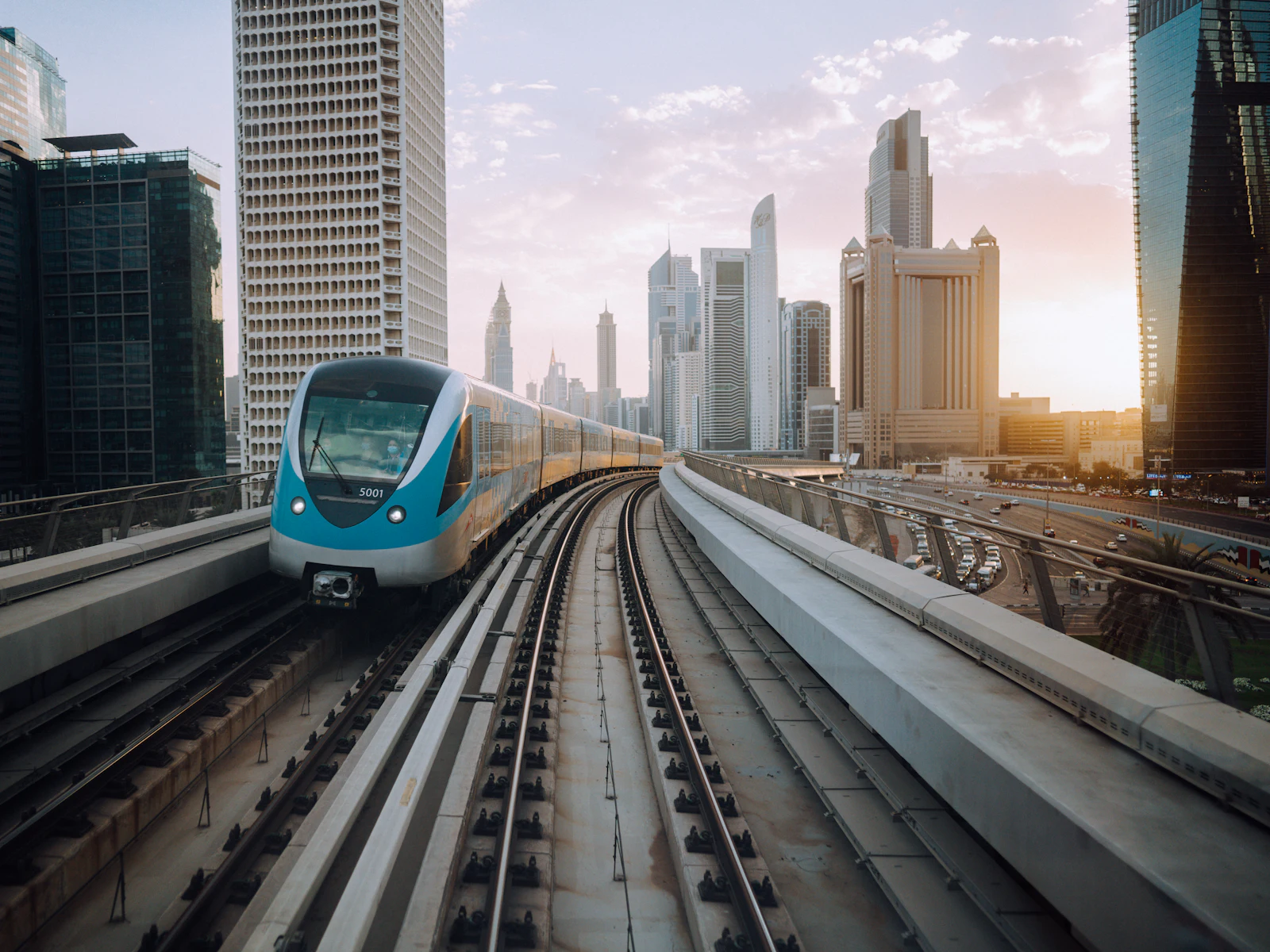
- Camel on JBR beach: the meeting point is on JBR beach. Get there on the Metro Red Line and the Dubai Tram, or by taxi.
- Horse riding in the desert: the clubs are on the edge of the city. Get there by taxi or by car. Most tickets have no transfer, and some offer a hotel transfer option.
- The camel trek at Al Marmoom: includes hotel pick-up and the return.
- You reach the Al Marmoom camel racing track by car or by taxi. There is no metro to it.
Good to know
- For horse riding, wear long trousers and closed shoes.
- Horse riding: at most places from age 10.
- Camel ride on the beach: children from age 4, with an adult.
- The camel trek: children from age 3.
- Bring a hat, sunglasses and sunscreen.
- For the camel ride on the beach you need ID; a copy is also accepted.
- On some rides you can take photos with your own phone, and the guide will help.
- In each round of a camel race there are usually between 15 and 20 camels competing.
Buy online
Book and pay right here on the site · secure paymentFrequently asked questions
Where can you ride a camel in Dubai?
Where do you ride horses in Dubai?
Do you need riding experience?
What is the minimum age to ride a horse in Dubai?
How long is the camel ride on JBR beach?
What should I wear for horse riding?
When are the camel races held?
What is special about the Arabian horse?
Which animals live in the Al Marmoom reserve?
Keep exploring
More experiences in Dubai



Where to stay
Recommended hotels in Dubai




The perfect combination
Also in Abu Dhabi




Plan smart
From the magazine
More inspiration