

Bur Dubai · the Al Shindagha district
Al Shindagha Museum
The largest open heritage museum in the Emirates, in restored houses on the bank of Dubai Creek: the Al Maktoum family house, the perfume house, the story of the Creek and life at sea. The place where Dubai began.
Tickets and prices
| Option | Price |
|---|---|
| Entry ticket | Not available right now |
| Student ticket | Not available right now |
- Hours
- 10:00 AM–8:00 PM, last entry 7:00 PM
- Houses and pavilions
- More than 20
- Period
- From the mid-19th century to the 1970s
- Metro
- Near Al Ghubaiba station
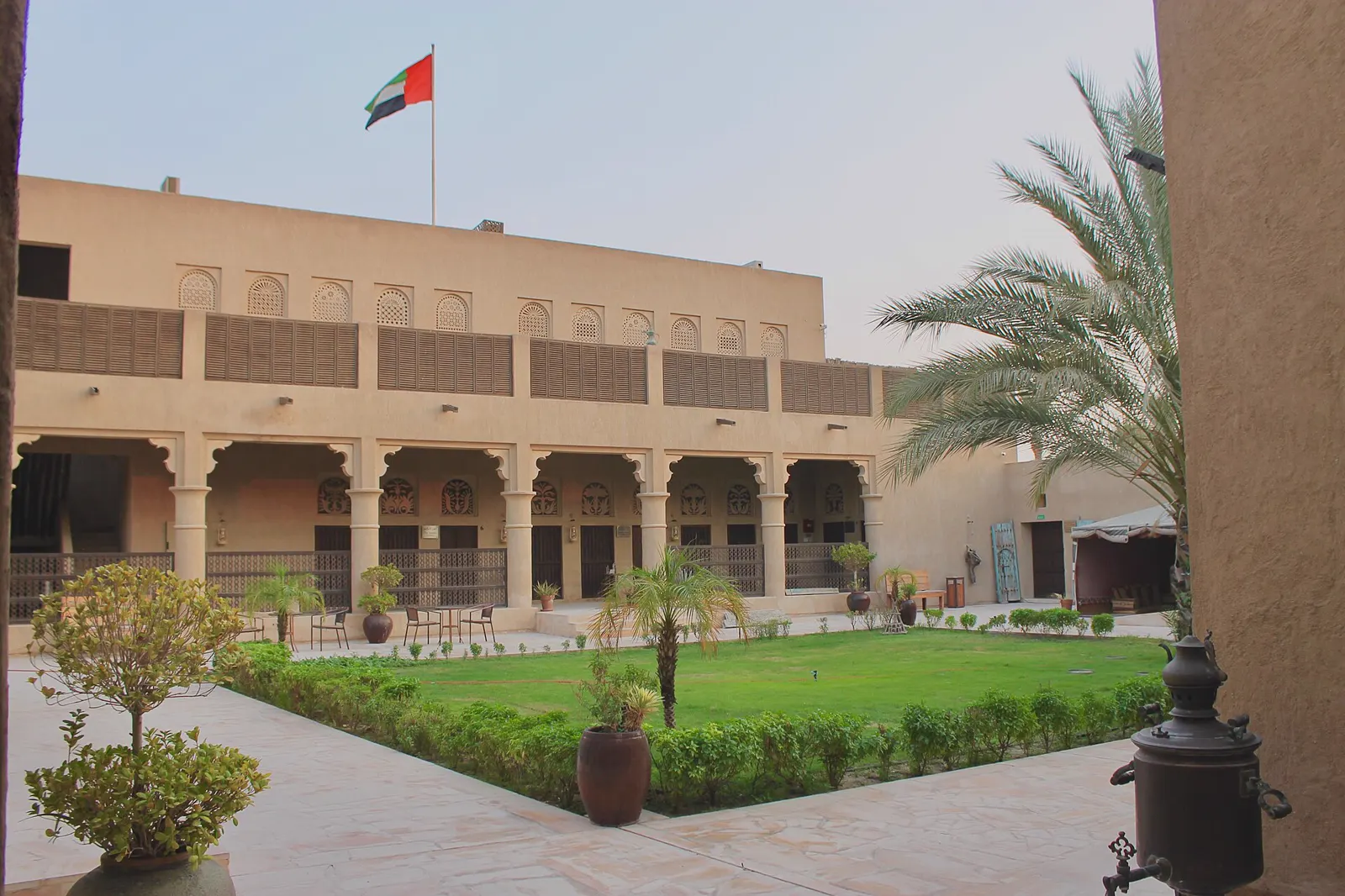
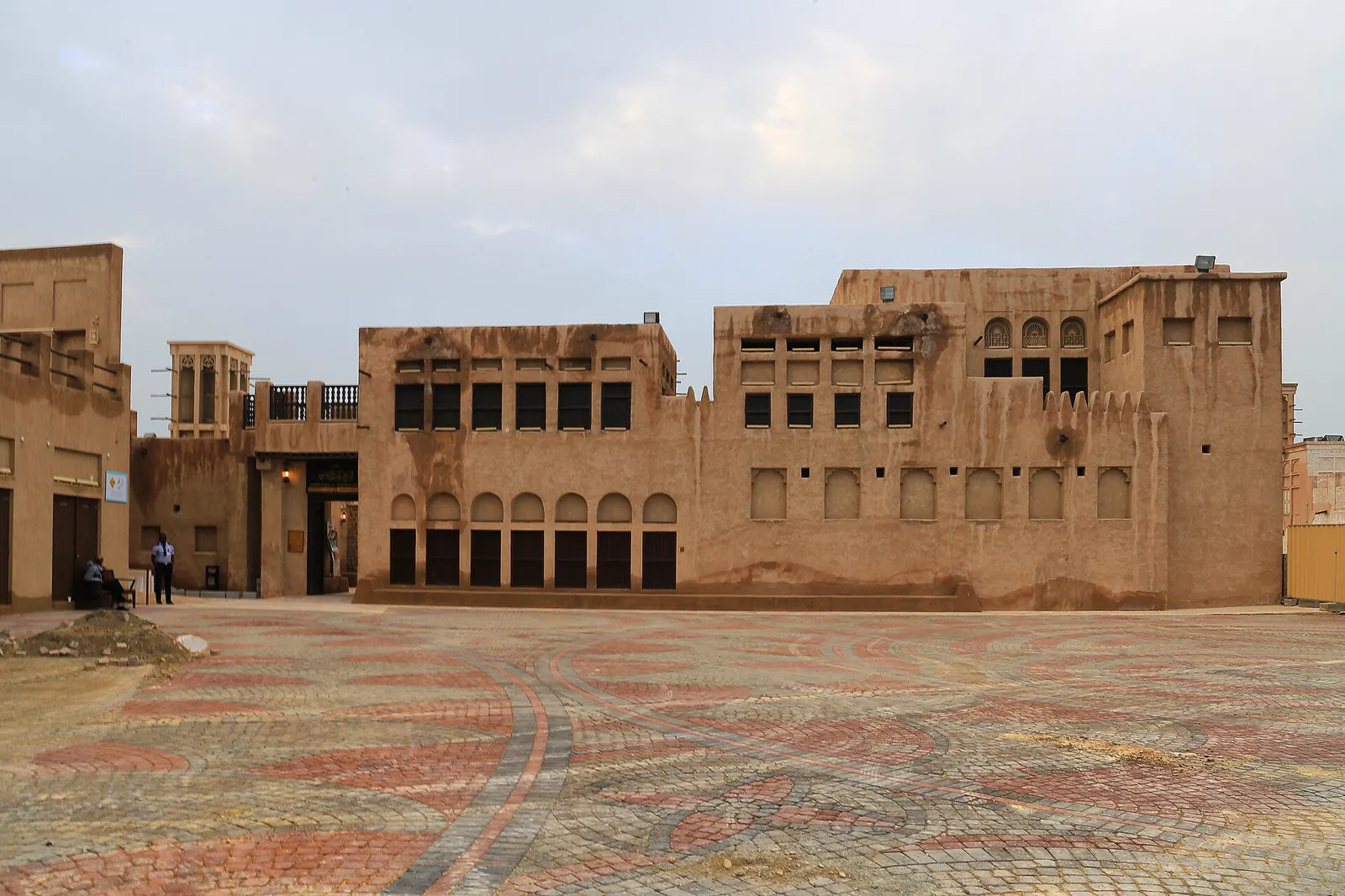
Al Shindagha Museum is the largest open-air heritage museum in the United Arab Emirates. It spreads across the historic Al Shindagha district in Bur Dubai, on the bank of Dubai Creek, in restored old houses. This is where modern Dubai began: in 1833 the Al Maktoum family, of the Al Bu Falasah branch of the Bani Yas tribe, settled here, and the city grew from this point.
The museum is divided into more than 20 houses and pavilions, each telling a different part of the story. There are pavilions on government and society, on life from the sea and from the land, on craft and wellbeing, and a pavilion for children. The displays combine interactive screens, films, archive photographs and video testimonies from people who lived in the district, from the mid-19th century through to the 1970s.
One of the central houses is the Al Maktoum family house, built in 1896. It was the family home until 1958, and the ruler of Dubai at the time lived there, Sheikh Saeed Al Maktoum, grandfather of the current ruler Sheikh Mohammed bin Rashid. Another house, Dubai Creek: Birth of a City, tells how the Creek turned the village into a port and a trading city.
The Perfume House is one of the best-loved parts of the museum. It sits in the house of Sheikha Sheikha bint Saeed Al Maktoum, who was known for her love of perfume. It holds more than 60 items, among them antique incense burners and perfume vessels, and it explains how Emirati oils and fragrances are made by traditional methods and why scent matters so much in local culture.
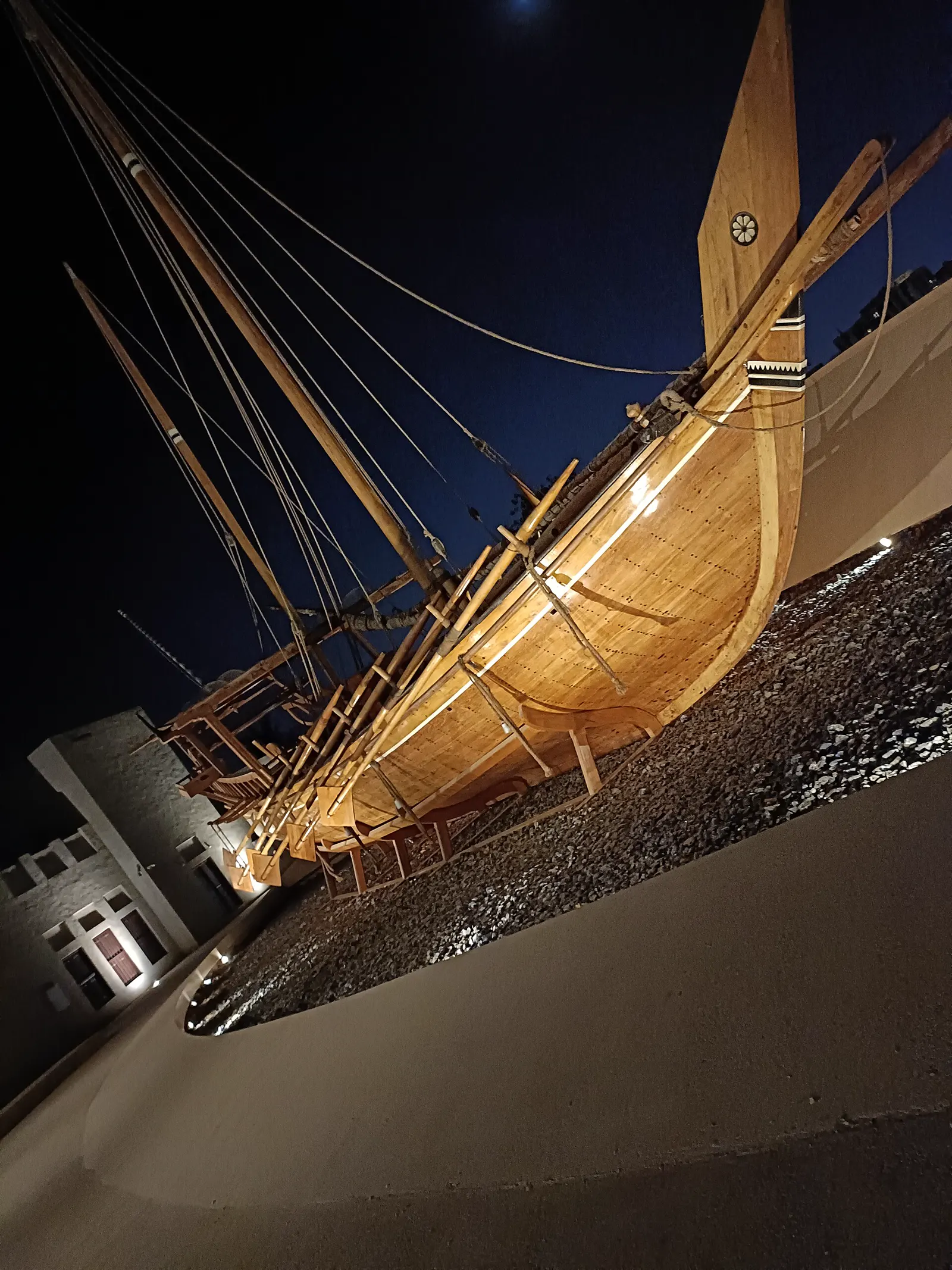
The pavilion on maritime culture displays traditional boats, with explanations of fishing, pearl diving and sea trade. Across the district you can also simply wander between the pale walls, the wind towers and the alleys, and get a feel for how Dubai looked before the skyscrapers.
The museum suits history lovers, families and anyone who wants to understand Dubai beyond the malls. Al Shindagha Museum is close to Al Ghubaiba metro station and to the abra stations on the Creek, so it is easy to combine with an abra ride and the Deira souks on the same day.
A visit to Al Shindagha Museum is built as a route through themed pavilions, and each pavilion spreads across several historic houses. The starting point is the visitor centre, and from there you continue to four main pavilions: Governance and Society, Creativity and Well-Being, Living off the Sea and Land, and the Children's Pavilion. Each house focuses on one subject, so you can go deep into it before moving on to the next.
The Governance and Society pavilion has four sections. The Al Maktoum family house tells the story of the late Sheikh Rashid bin Saeed Al Maktoum and the legacy of the ruling family. The story of the Creek is told in a section of its own. The People of Faith section shows how Islam shaped Emirati heritage and culture, and the Emerging City section deals with Dubai's megastructures and the Shindagha neighbourhood.
The Al Maktoum family house is built around three courtyards, with vaulted ceilings. Today it presents subjects such as the agreement between the rulers of Dubai and Britain in 1892 and the discovery of oil, alongside personal items: a rare pocket watch of Sheikh Maktoum bin Hasher, and a khanjar, a barometer and binoculars that belonged to Sheikh Rashid.
The Creativity and Well-Being pavilion deals with traditional clothing, crafts, jewellery, perfume and medicine. It has four sections: the Traditional Craft House, Beauty and Adornment, Traditional Jewellery and the Perfume House. The Perfume House also shows the role of scent in everyday life, for example incense at the Friday majlis and frankincense for ritual purification. The courtyard displays regional ingredients such as musk, myrtle, rose and saffron.
The Living off the Sea and Land pavilion has three sections: the Culture of the Sea, Life on Land and Traditional Food. The district also has the House of Poetry.
The Children's Pavilion contains the Children's House, an interactive playroom where children learn about Emirati heritage and play traditional Emirati games.
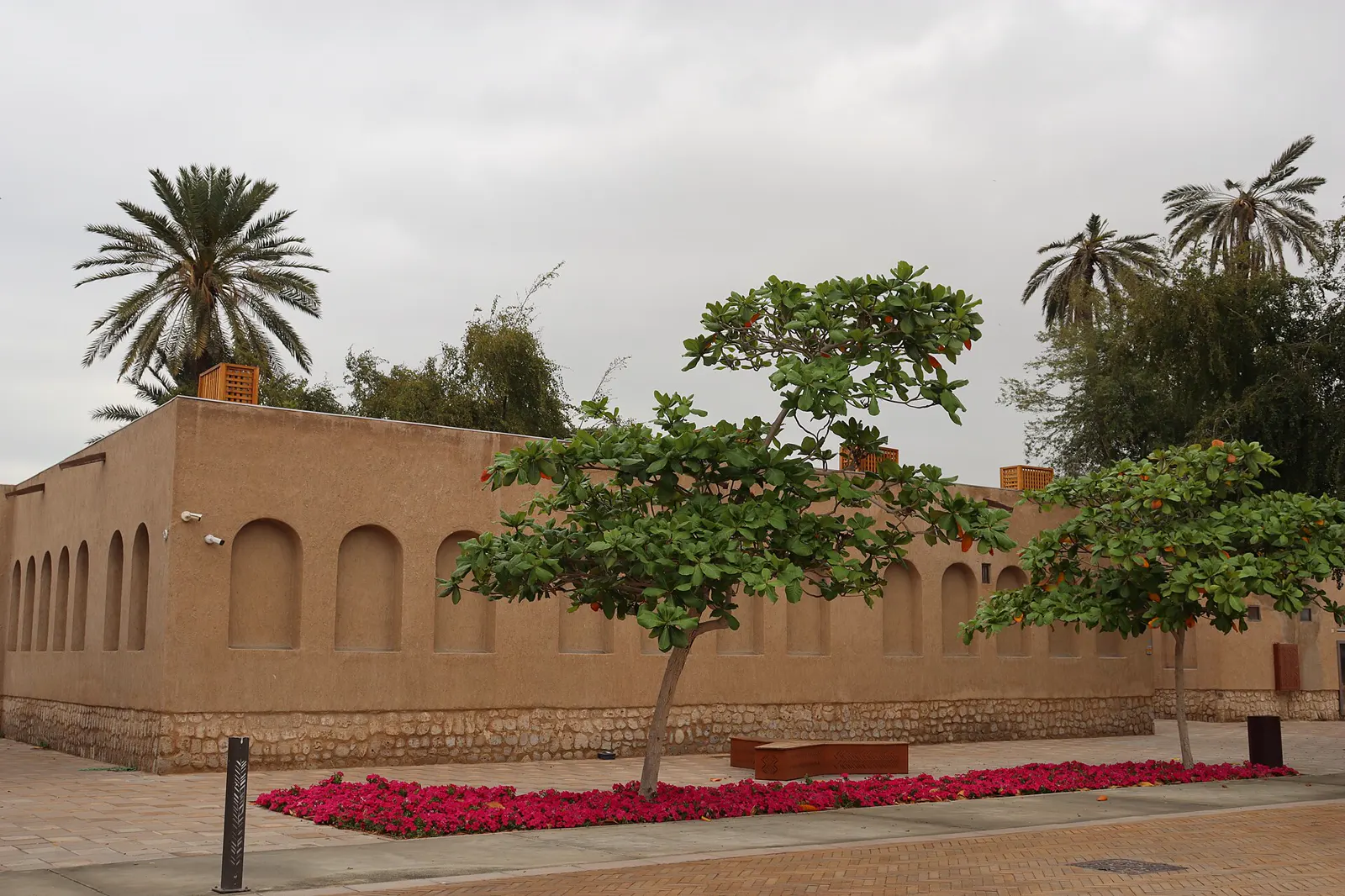
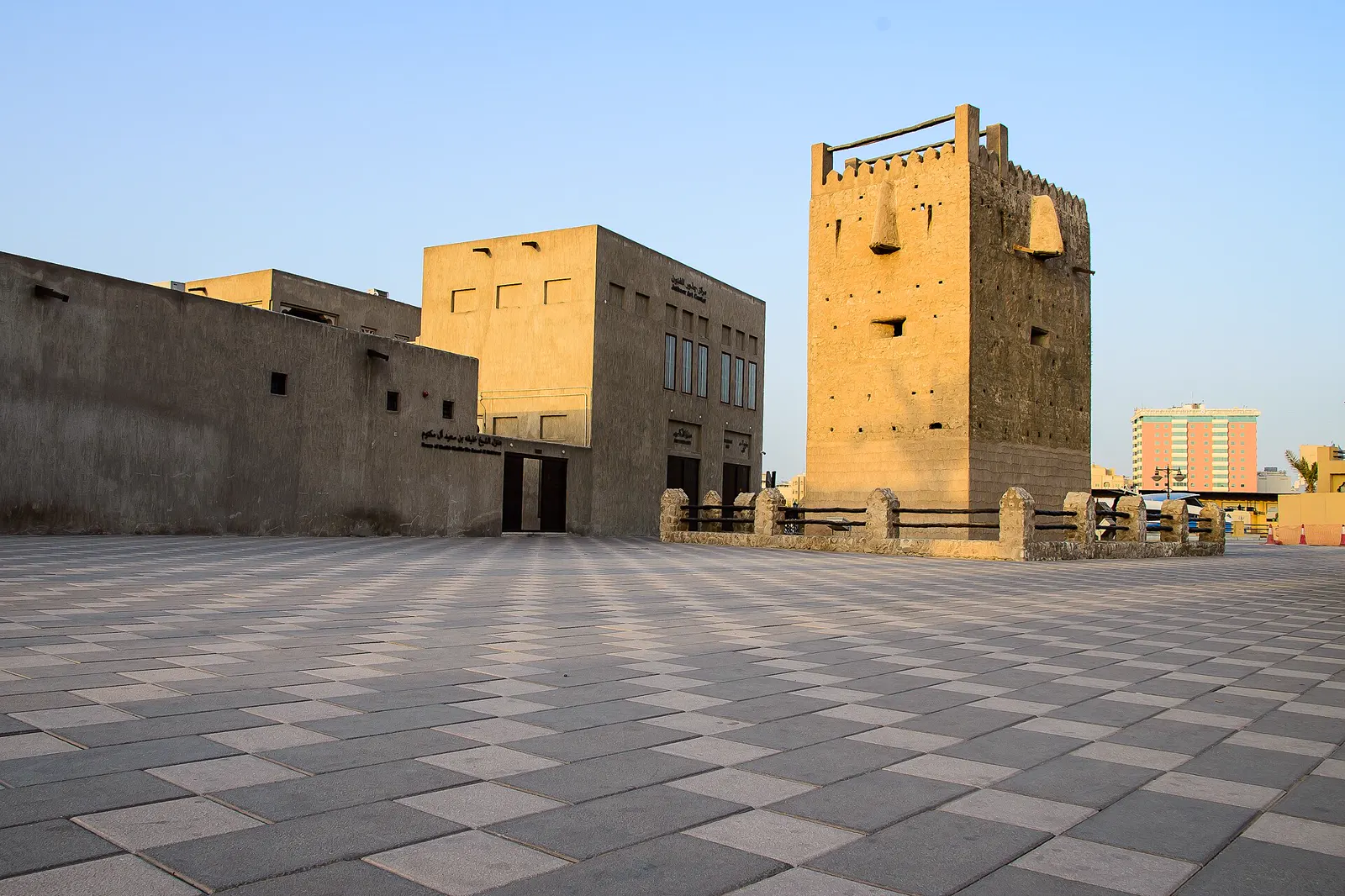
The buildings themselves are also part of the story. The first residents lived in huts made of palm fronds, and later sturdier houses were built from coral stone and gypsum. The wind towers, the barajeel, cooled the houses naturally.
The museum runs workshops, programmes for schools and universities, and seasonal camps for children. The programme changes by season, so it is worth checking with us what is on during the date of your visit.
What is included
Included
- Entry to the houses and pavilions open at the museum
- Guided tours that run several times a day in some of the houses
Not included
- Transfer
- Food and drink
- A private tour
What you will see and do
- The largest open-air heritage museum in the Emirates, on the bank of the Creek.
- The Al Maktoum family house from 1896, home of the rulers until 1958.
- The Perfume House, with more than 60 items and traditional fragrances.
- The story of the Creek: how a village became a trading city.
- The maritime culture pavilion, with traditional boats and pearl diving.
- Interactive displays, films and testimonies from residents of the district.
- The alleys, walls and wind towers of old Dubai.
- The Al Maktoum family house: three courtyards, vaulted ceilings and personal items of Dubai's rulers.
- The People of Faith section: how Islam shaped Emirati culture.
- Emerging City: Dubai's megastructures and the Shindagha neighbourhood.
- The Traditional Craft House, Beauty and Adornment and Traditional Jewellery.
- The Children's House: a playroom with traditional Emirati games.
- Palm-frond huts, coral stone and wind towers: how they built in old Dubai.
Who it suits
Good for…
- History and culture lovers
- Families with children, thanks to the children's pavilion and the interactive displays
- Anyone who wants to get to know old Dubai
- Anyone combining the day with the Creek and the souks
Less suited to…
- Anyone looking for an action attraction
- Anyone who dislikes walking outdoors in the heat
- Anyone who prefers a small, fully air-conditioned museum
When to go
The museum is open every day 10:00–20:00, with last entry at 19:00. Part of the visit involves walking outside between the houses, so in summer it is better to arrive in the late afternoon. During Ramadan the hours change, and the exact hours will be confirmed for you at the moment of booking.
Getting there
- By metro: the Green Line to Al Ghubaiba station, and the museum is a short walk away.
- By bus: Al Ghubaiba bus station is about a 9-minute walk from the museum.
- By taxi or Careem: ask to be dropped at the Al Shindagha Museum visitor centre.
Good to know
- Hours: daily 10:00–20:00. Last entry at 19:00.
- Children under 5 enter free.
- You show your ticket at the visitor centre and receive an entry wristband.
- Food and drink are not allowed inside the museum houses.
- There is walking outdoors between the houses. Bring a hat and water, especially in summer.
- There is a museum app and an audio guide.
- Guided tours can be booked.
- At the visitor centre you get information about events, workshops and guided tours.
- A map and a brochure are available to help you plan your route between the pavilions.
Frequently asked questions
What can you see at Al Shindagha Museum?
What are the opening hours?
How do I get there by metro?
What is the Perfume House in Dubai?
Is it suitable for children?
Can I combine it with an abra ride?
What is in the Governance and Society pavilion?
What can you see in the Al Maktoum family house?
What is in the Children's House?
What were the houses in old Dubai built from?
What does the Living off the Sea and Land pavilion show?
Keep exploring
More experiences in Dubai



Where to stay
Recommended hotels in Dubai




The perfect combination
Also in Abu Dhabi




Plan smart
From the magazine

More inspiration