

Ras Al Khaimah · 2.5 hours
The Ras Al Khaimah Pearl Farm
A sail on a pearl divers' boat through the mangroves to a floating farm that grows pearls. At the end you open an oyster yourself.
Updated: 26.9.2026
Photographs: Angela Manthorpe · CC BY-SA 4.0 (image edited) · Florian Kriechbaumer · CC BY-SA 4.0 (image edited)
Closed
Not currently available to book.
The Ras Al Khaimah Pearl Farm is the first cultured pearl farm in the UAE. Before oil was discovered, pearl diving was the heart of the Gulf economy, and Ras Al Khaimah has thousands of years of history in the trade. The port of Julfar, which stood here in the Middle Ages, was one of the region's key trading ports, largely thanks to pearls.
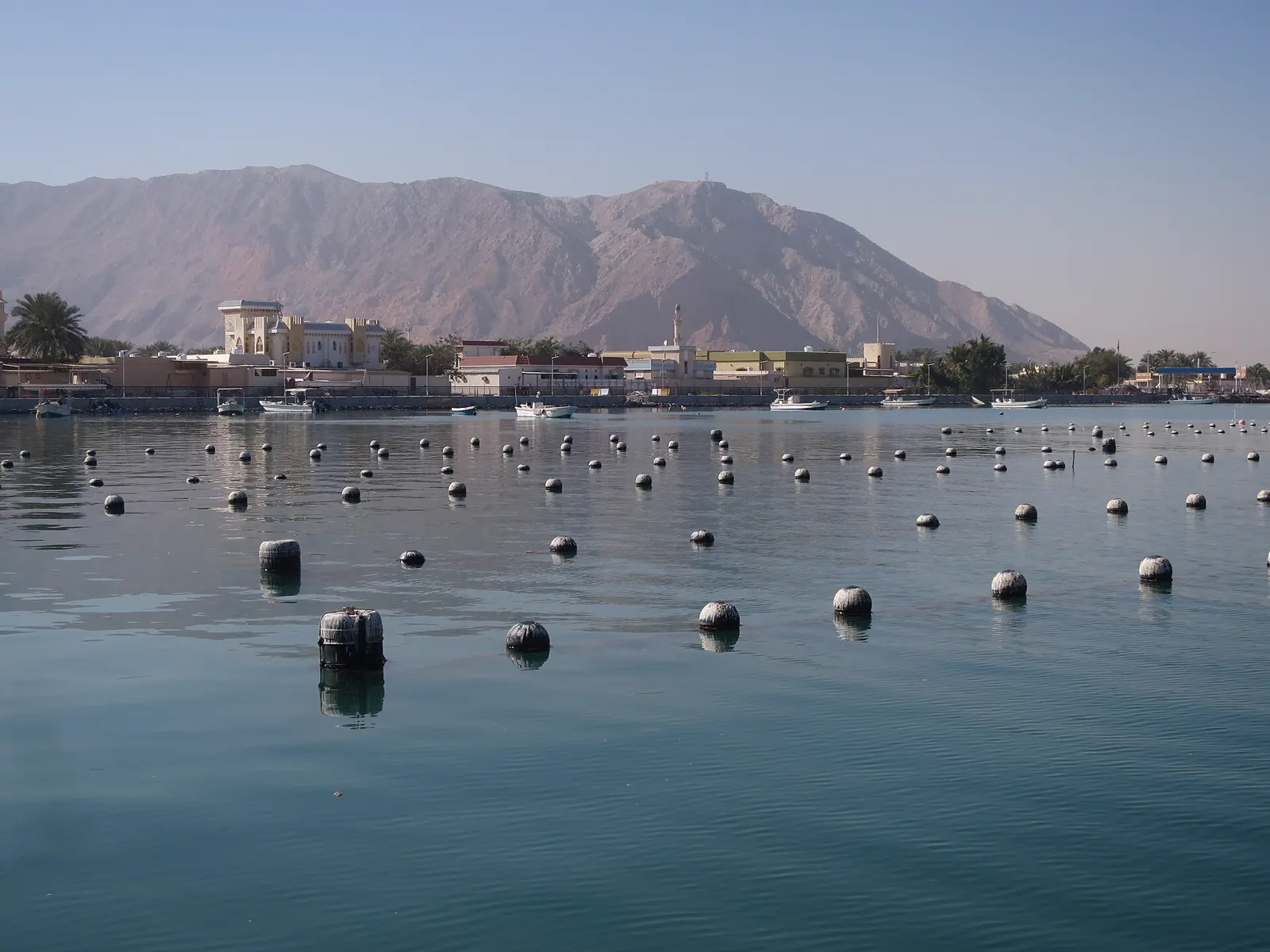
At the pearl farm in Al Rams, north of Ras Al Khaimah city, this tradition is brought back to life, growing cultured pearls.
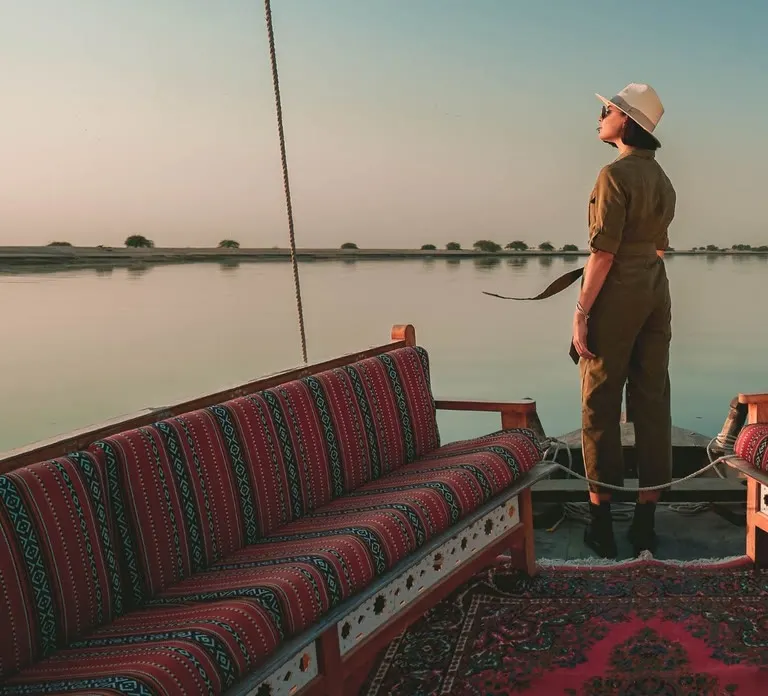
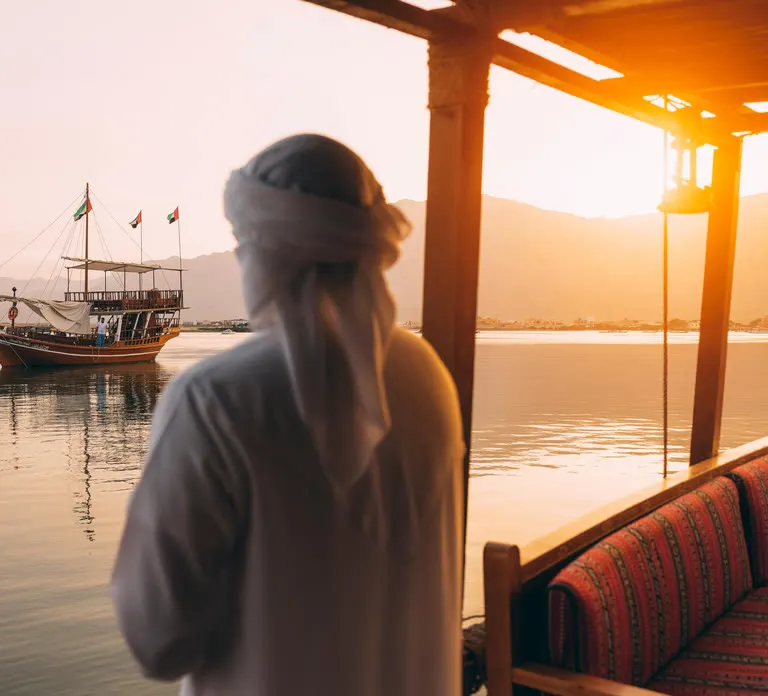
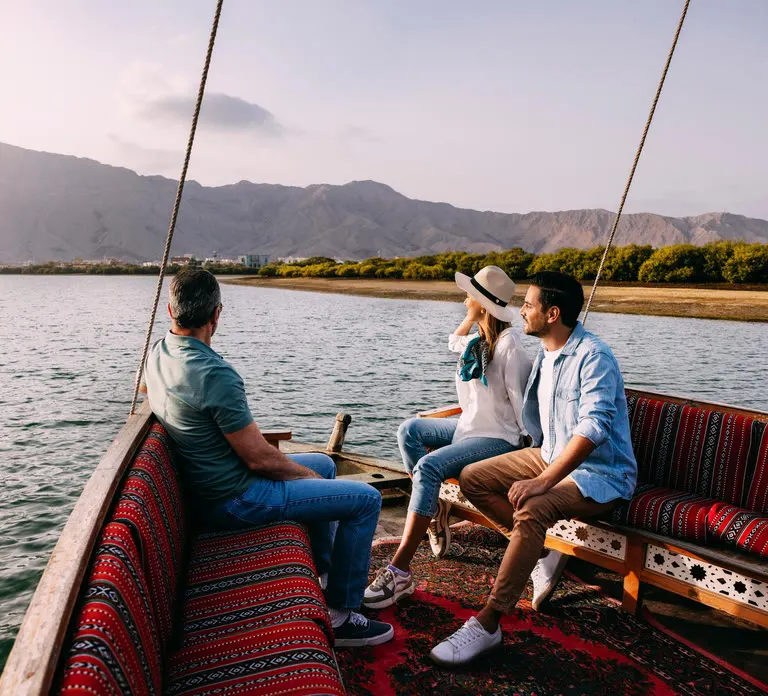
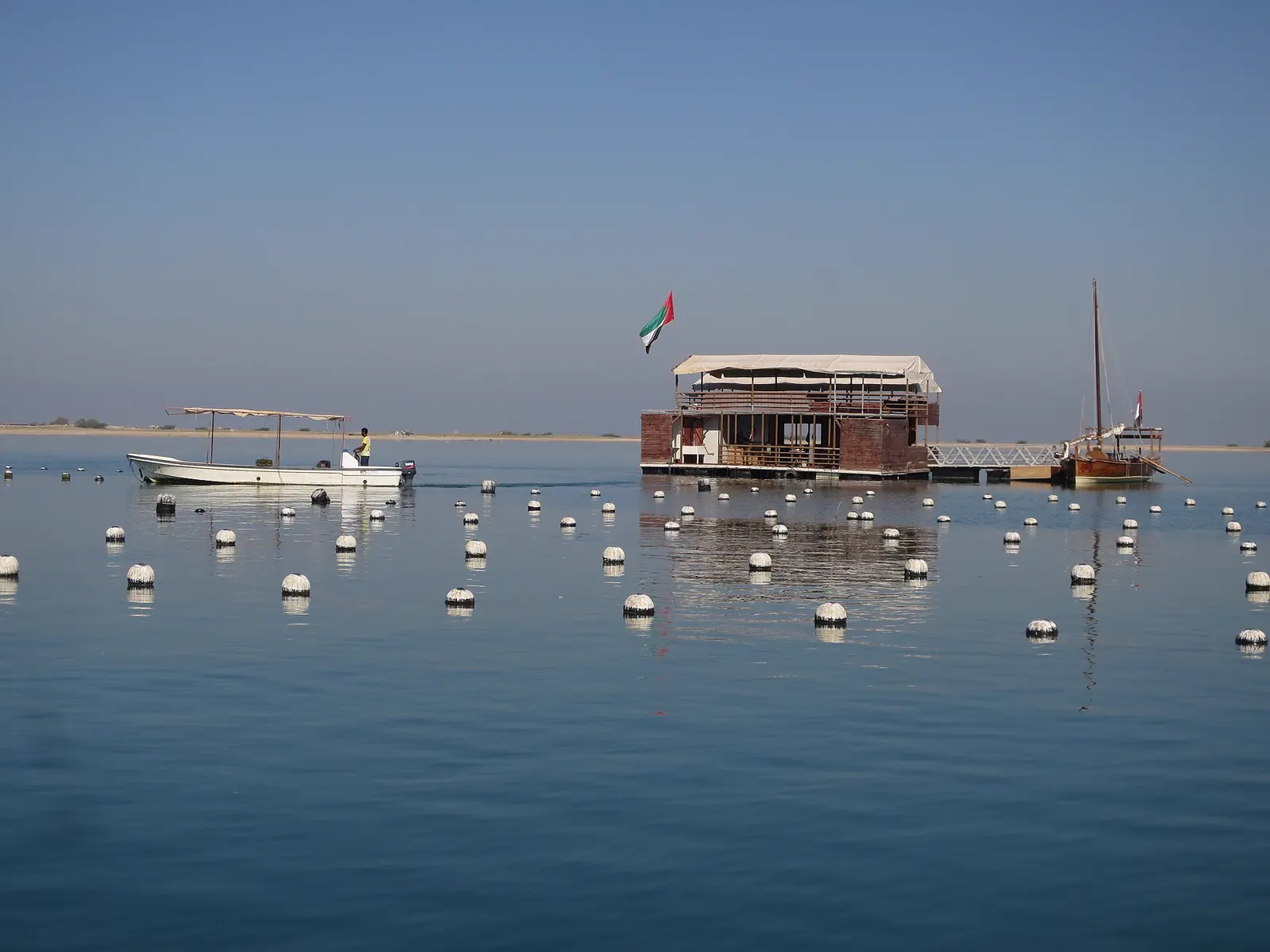
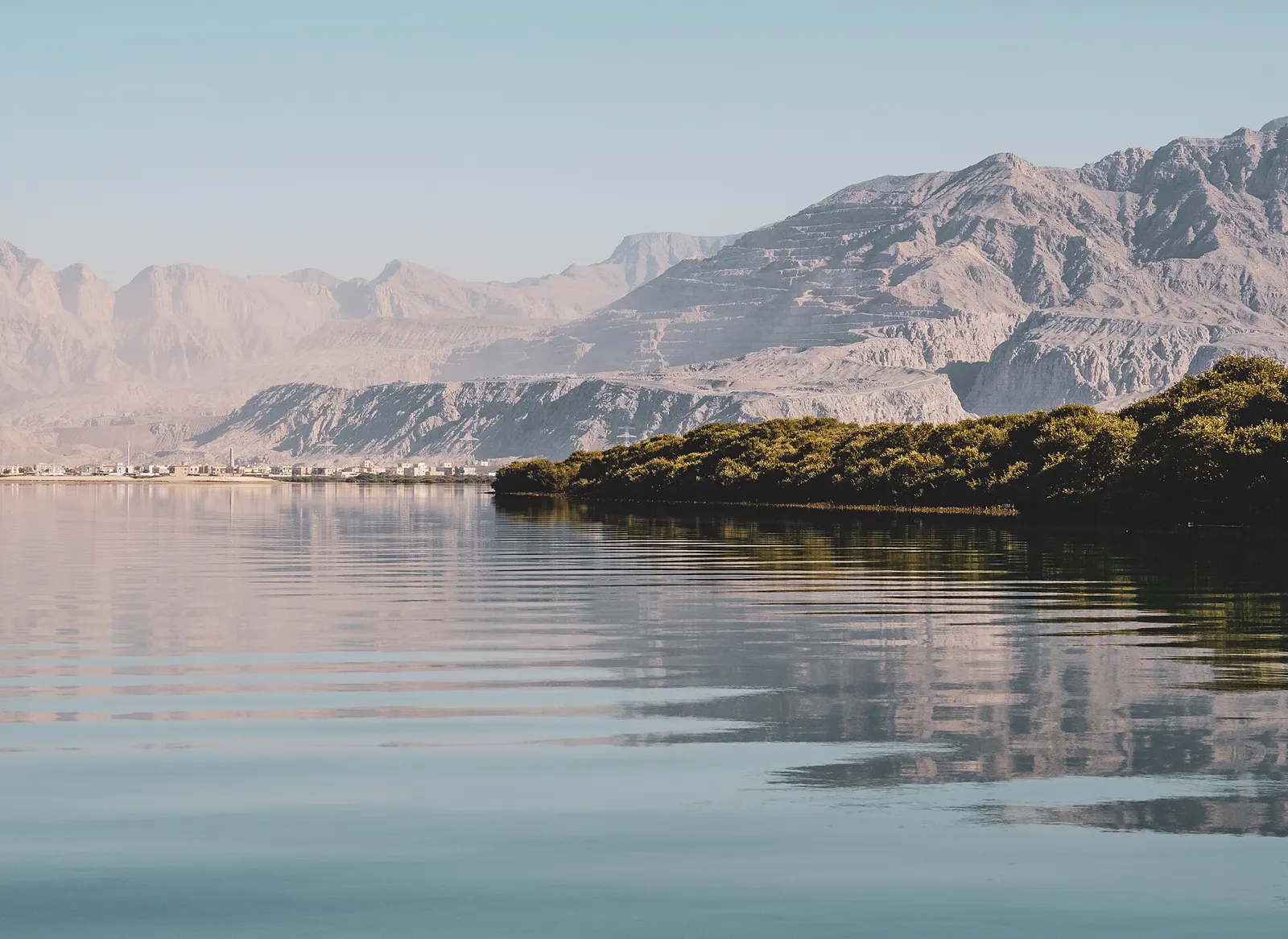
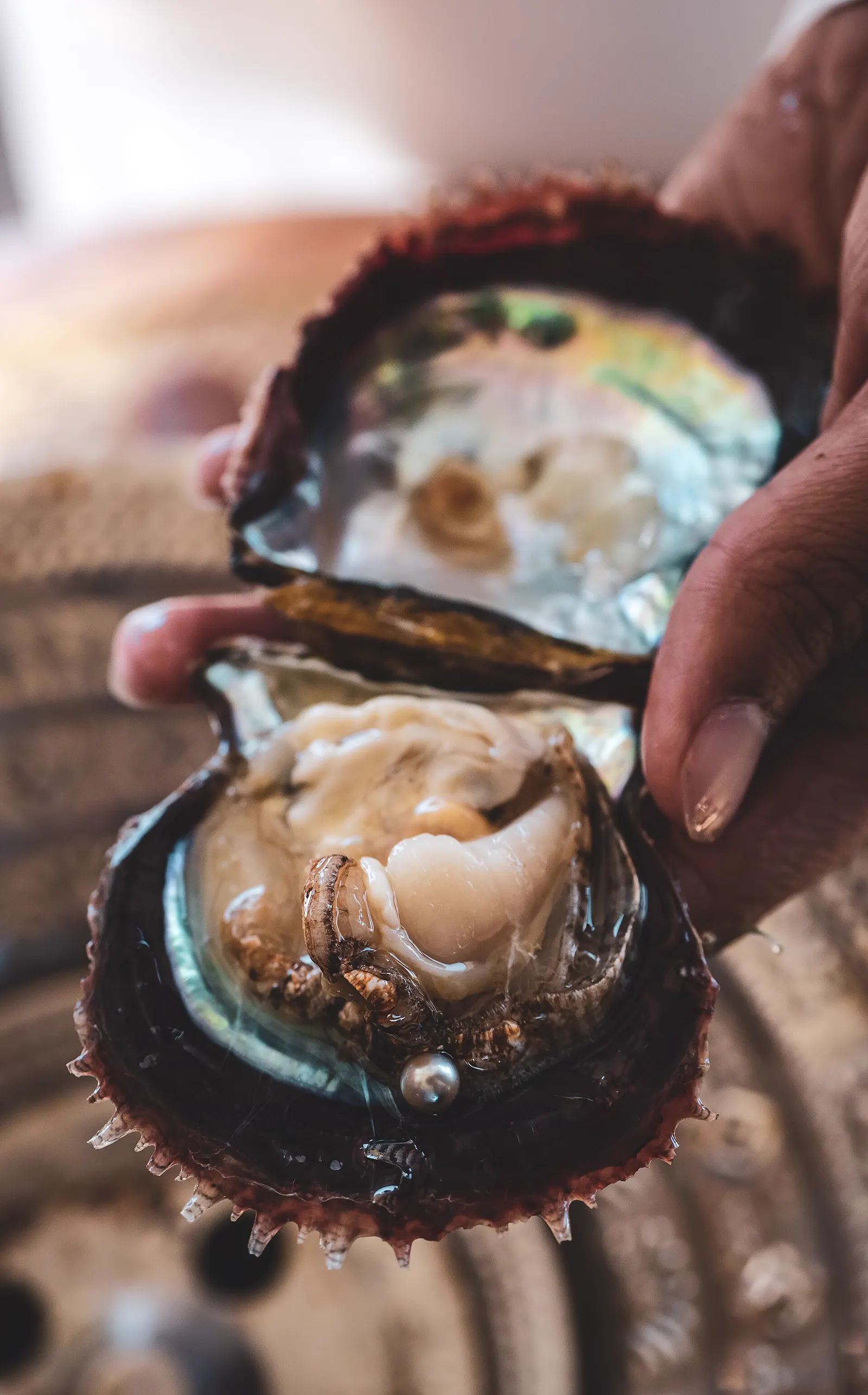
The tour departs from the old fishing village harbor on a traditional pearl boat, passes through the mangroves, and reaches a floating house on a pontoon. There you hear about the pearl divers' lives and see their tools, learn how a pearl forms, and finish by opening a live oyster.
Suited to families, history lovers, and anyone looking for a local, quiet experience, away from the big attractions.
Tip: bring a hat and sunscreen. Part of the tour is on the water and in the sun.
Part of the tour is devoted to the pearl divers' story. They dove with almost no equipment: a nose clip made of turtle shell and wax in their ears. During the long months at sea they lived mainly on dates and coffee. On the tour you see the Bish-Takh-Tah, the traditional merchant's chest where pearls and tools were displayed.
At the floating house you learn how pearls are grown today, using modern, sustainable methods. The floating house runs on solar power. The Al Rams lagoon receives rainwater from the Hajar Mountains, which enriches the seawater with oxygen. In 2006 a pearl found at the farm was named The Pearl of Arabia.
The farm was founded in 2004 by a diver and pearl merchant from Al Rams, grandson of one of the last generation of pearl divers in the Emirates before oil was discovered. The farm's website presents it as the first initiative in 100 years to return pearls to the region's waters. For years it operated only as a commercial farm, and only at the end of 2017 did it announce it was opening to visitors. It still sells pearls to jewelers around the world.
How does a cultured pearl form? A small bead made from mother-of-pearl is inserted into a two-year-old oyster, along with a piece of tissue from another oyster. The insertion itself takes about half a minute. The oyster coats the bead in layers of mother-of-pearl, and only some oysters end up producing a pearl. The farm inserts tens of thousands of oysters a year, and about 60% succeed. A natural pearl, by comparison, forms over many long years.
What is included
Included
- Entry to the farm
- Opening a live oyster
- Light refreshments: water, soft drinks, dates, Arabic coffee and tea
- A sail on a traditional pearl boat
Not included
- Lunch
- Buying oysters and pearls
- Transfer from Dubai
What you will see and do
- A traditional pearl boat cruise, from the Al Rams promenade into the mangroves and lagoons along the coast.
- The story of the pearl divers: how they dove, what they ate, and how the pearls were sold.
- The merchant's chest, Bish-Takh-Tah: pearls and traditional tools.
- The floating house: how cultured pearls are grown today.
- Opening a live oyster: every participant opens an oyster themselves.
- Local refreshments: dates, Arabic coffee and tea.
- The crew on the pearl boat: every man on the boat had a defined role, and the divers' lives depended on it. The tour explains who did what.
- The trading code: the principles the old Gulf pearl merchants worked by.
Who it suits
Good for…
- Families with children from age 5
- History and local heritage lovers
- Anyone visiting Ras Al Khaimah looking for something quiet and different
- Anyone who wants to see mangroves from a boat
Less suited to…
- Children under 5
- Anyone looking for action or water sports
- Anyone without a car, since the departure point is far from Dubai
When to go
The farm is open daily, 9:00–18:00, and the tours run at set times. According to the Ras Al Khaimah Tourism Authority, the regular tours depart at 10:00, 12:30 and 15:00. Part of the tour is on the water and in the sun, so in the summer months the morning tour is preferable. The binding time is the one on your ticket, and we will confirm it for you in writing when you book.
Getting there
- The departure point is at Al Rams Corniche, north of Ras Al Khaimah city.
- Arrive by rental car or taxi, to the corniche.
- Transfer isn't included in the ticket.
- Arrive fifteen minutes before the tour's departure time.
Good to know
- Tours depart at fixed times. Arrive fifteen minutes early.
- There's an adult ticket (13+), a youth ticket (9–12), and a child ticket (5–8).
- Bring: ID, sunscreen, comfortable shoes, and insect repellent.
- The ticket is for a specific day and time, and can't be cancelled or refunded.
- Modest, loose clothing that covers shoulders and knees, and closed shoes.
- There's a shop at the end of the tour, where you can buy pearls. The purchase isn't included.
- Pearl diving and scuba diving are available only by prior arrangement, and aren't part of the tour.
- The site also runs a family tour with an Emirati lunch, a private boat tour, and tours for school groups. These are separate packages from the regular ticket.